Next Day Delivery order before 2pm
  Order / Enquire Now
 Call 020 8916 2222
Waterproofing membranes are designed to protect a structure for decades……Yet, on many projects, they are damaged within days of installation.
Across flat roofs, podium decks and basement structures, a significant proportion of failures do not result from poor membrane design. They occur during construction. Foot traffic, stored materials, backfilling, concrete pours and follow on trades can all compromise a membrane before the finished surface is installed.
Once covered, damage can remain undetected until leaks appear months or years later. By that stage, remedial works are disruptive, costly and often contentious.
Construction Phase Risk Is Often Underestimated
On busy sites, sequencing pressures mean waterproofing is frequently left exposed while other packages continue. Even careful operatives can inadvertently cause punctures, abrasion or compression damage, particularly on large commercial schemes.
Common risk scenarios include heavy foot traffic across newly laid membranes, sharp aggregate or tools placed directly onto the surface, backfilling against vertical waterproofing, concrete poured above without adequate impact resistance, and temporary storage of materials across podium decks.
In many cases, the membrane performs exactly as specified. The issue is protection during the build programme.
Separation and Light Duty Protection
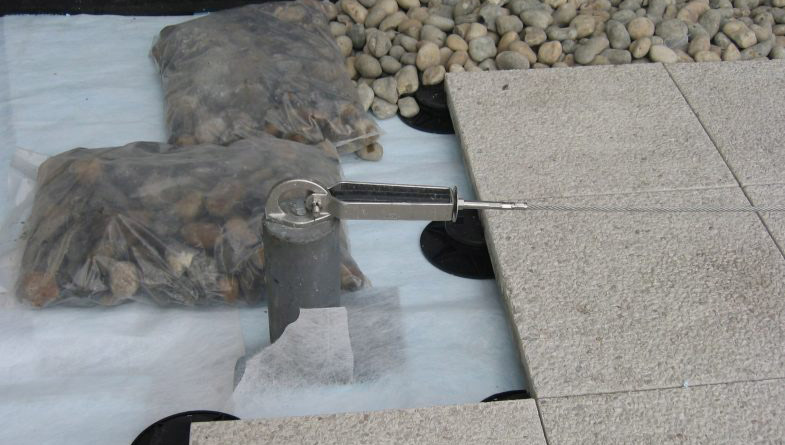
Not all projects require heavy duty impact resistance. In many flat roof and podium build ups, a nonwoven geotextile layer is installed above the membrane to provide separation and light duty protection before insulation, drainage boards or pedestal systems are introduced.
Geotextiles are permeable membranes that allow water to pass through while preventing abrasion and reducing the risk of compression damage to delicate waterproofing layers beneath. They are commonly used in inverted roof systems, beneath ballast, and are a must for green roof systems where both protection and filtration are required.
While they are not designed to withstand significant impact or heavy loading, they play an important role in protecting membranes from surface abrasion and separating incompatible materials within the build-up.

Medium to Heavy Duty Protection
Where greater impact or abrasion resistance is required, more robust protection layers should be specified.
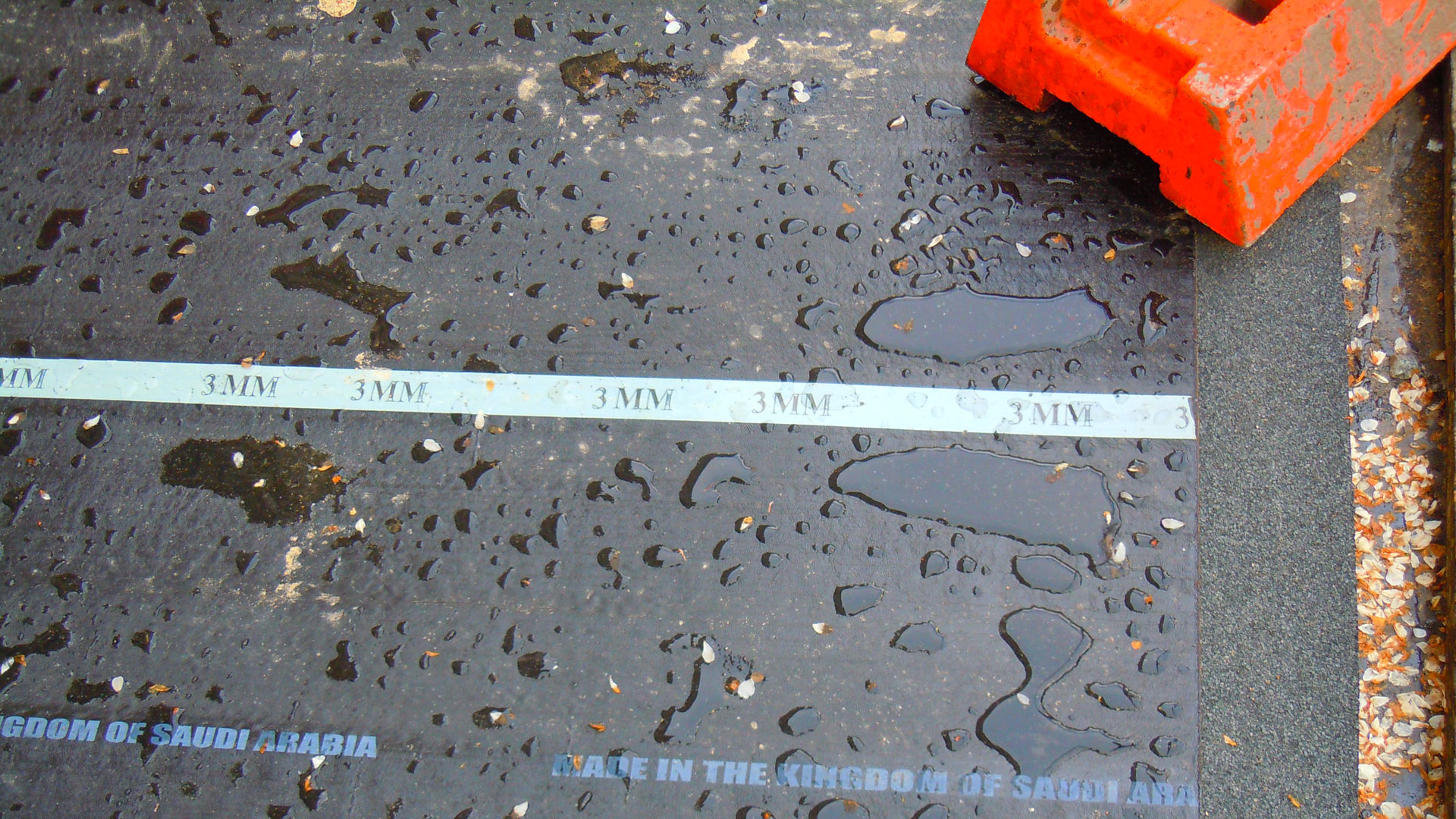
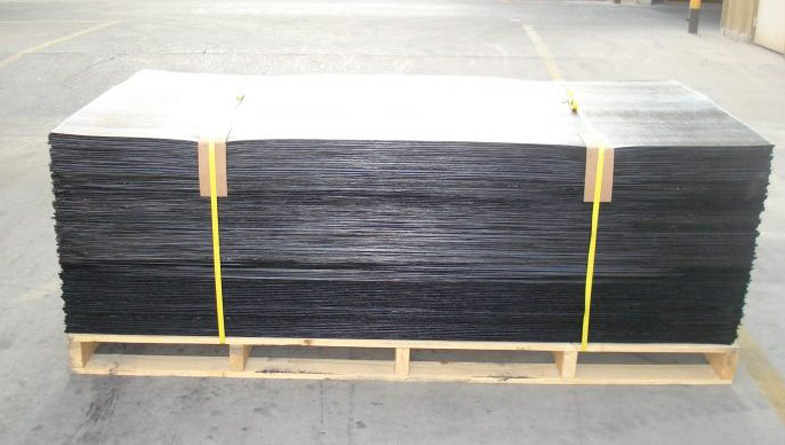
A semi flexible bituminous protection board offers high tensile strength and puncture resistance. This type of board is particularly suited to vertical waterproofing, basement tanking, podium decks and areas where concrete will be poured. It can be heat bonded, torch applied, spot bonded or mechanically fixed depending on detailing requirements.
In situations where flexibility and permeability are required, rubber crumb protection mats provide a durable barrier against blunt impact and membrane perforation. These can be used as permanent protection beneath planters and equipment, or laid temporarily during construction to protect the subfloor while other trades complete their work.
The choice between geotextile, board or mat should be based on anticipated loading, build sequencing and whether the layer will remain in place long term.

Design Stage Considerations
Protection should be considered at design stage alongside drainage, insulation and surface finish, not added reactively once damage has occurred.
Key considerations include whether the membrane will be exposed to traffic before finishes are installed, whether backfilling will take place against vertical surfaces, whether screed or concrete will be poured above, and whether plant or heavy equipment will be located on the roof.
High value residential and multi occupancy schemes in particular benefit from a clearly defined protection strategy, reducing lifecycle risk and limiting the potential for latent defects.
Schedule and Procurement Practicalities
On live construction projects, availability is critical. Changes in sequencing or unexpected delays can leave membranes exposed for longer than planned. Having protection materials readily available can prevent unnecessary schedule delays.
Protection boards, rubber crumb mats and nonwoven geotextiles that are held as stock items and available for rapid dispatch allow contractors to respond quickly to changing site conditions. This flexibility can make a significant difference to maintaining build momentum.
Wallbarn has over 40 years’ experience supplying protection and drainage solutions across the UK construction industry. Our Protecto Board, Protecto Mat and geotextile ranges are stock items, enabling fast delivery to site for both planned installations and urgent requirements.
Conclusion
Waterproofing membranes and vulnerable sub-floors are a critical element of the building envelope. Protecting them during construction is not an optional upgrade. It is a practical risk management measure.
By understanding the difference between separation layers, light duty protection and heavy duty impact resistance, project teams can specify appropriately, reduce remedial works and deliver more resilient buildings.
If you would like technical guidance on selecting the right membrane protection strategy for your scheme, our team is available to assist.