Next Day Delivery order before 2pm
  Order / Enquire Now
 Call 020 8916 2222
As cities continue to expand and green spaces become increasingly limited, the role of green roofs in supporting urban ecosystems has never been more important. M-Tray wildflower roofs offer a powerful and practical way to bring nature back into built-up environments, creating living landscapes that benefit both wildlife and people.
Unlike standard sedum-based systems, wildflower roofs introduce a diverse mix of native and pollinator-friendly plants, helping to recreate natural habitats at roof level. This guide explores how M-Tray wildflower roofs enhance biodiversity, improve urban environments, and deliver long-term ecological and aesthetic value.
What Makes M-Tray Wildflower Roofs Different?
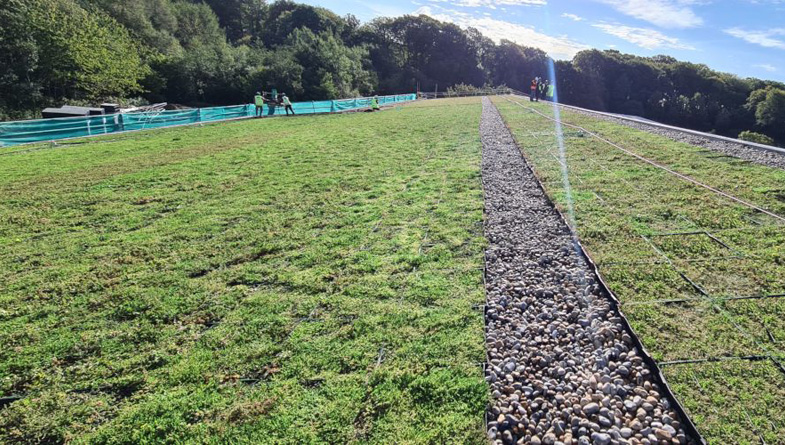
M-Tray wildflower roofs are modular, tray-based systems specifically designed to support a wider variety of plant species than traditional green roofs. Rather than relying solely on sedum, these systems incorporate a carefully selected blend of wildflowers, grasses, and low-growing plants.
Each tray is pre-grown and includes drainage layers, substrate, and established vegetation, allowing for immediate impact once installed. This approach combines the simplicity of modular systems with the ecological richness of wildflower planting.
For those looking to understand the structure and performance of the system in more detail, the core M-Tray green roof system provides the foundation for both sedum and wildflower applications.

Creating Valuable Urban Habitats
One of the most important advantages of M-Tray wildflower roofs is their ability to create habitats where natural green space is lacking. Urban areas are often dominated by hard surfaces, leaving little room for wildlife to survive and thrive.
By introducing diverse vegetation at roof level, these systems provide essential spaces for feeding, nesting, and breeding. This helps counteract habitat loss and supports healthier ecosystems within towns and cities.
Supporting Pollinators and Bees
Pollinators such as bees, butterflies, and hoverflies are vital to the health of our environment, yet their populations continue to decline due to habitat loss and environmental pressures.
M-Tray wildflower roofs help address this by offering a consistent source of nectar and pollen throughout the growing season. The varied planting scheme attracts a wide range of pollinators, making rooftops an active part of the ecological network.
If your project is focused specifically on biodiversity and pollinator support, the M-Tray wildflower green roof system is designed to maximise these benefits.

Enhancing Urban Biodiversity
Wildflower roofs support far more than just pollinators. A well-designed system can encourage a variety of species, including beetles, birds, and other insects that contribute to a balanced ecosystem.
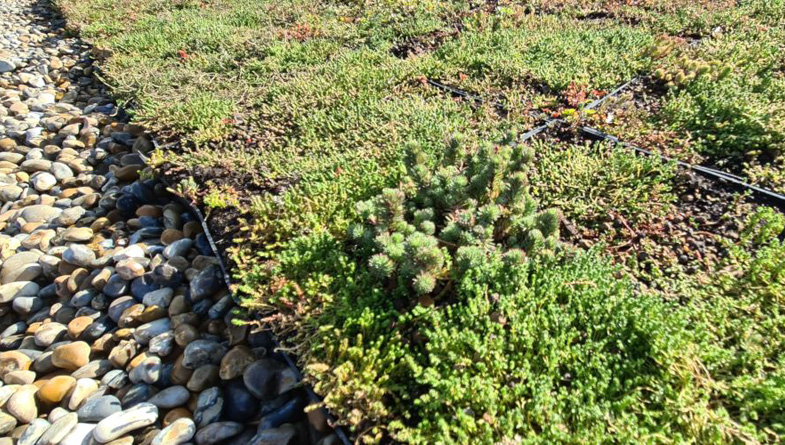
By incorporating different plant types, M-Tray wildflower roofs create a range of microhabitats. Some plants provide shelter, others offer food, and together they create a more resilient and diverse environment compared to single-species systems.
Improving Air Quality
Wildflower roofs also contribute to cleaner air. Plants absorb carbon dioxide and help trap airborne pollutants and fine dust particles, improving air quality at roof level.
While the impact of a single installation may be modest, widespread adoption across urban areas can lead to meaningful improvements over time.
Reducing the Urban Heat Island Effect
Cities tend to retain heat due to the concentration of buildings and hard surfaces, creating what is known as the urban heat island effect.
M-Tray wildflower roofs help to reduce this by introducing vegetation that naturally cools the environment. The plants absorb and reflect sunlight while releasing moisture through transpiration, helping to regulate temperatures and create a more comfortable urban climate.
Managing Rainwater More Effectively
Rainwater management is another key advantage. Instead of allowing water to run straight into drainage systems, wildflower roofs absorb and retain rainfall before gradually releasing it.
This helps reduce pressure on drainage infrastructure and lowers the risk of flooding. Due to their deeper growing medium, wildflower systems often retain more water than sedum roofs, enhancing their performance in this area.
Aesthetic and Wellbeing Benefits
Beyond their environmental value, M-Tray wildflower roofs significantly improve the visual appeal of buildings. They transform unused roof space into vibrant, natural landscapes that change throughout the seasons.
This not only enhances the appearance of a building but can also improve wellbeing for those who live or work nearby, creating a stronger connection to nature within urban environments.
Versatility Across Different Buildings
M-Tray wildflower roofs are highly adaptable and suitable for a wide range of building types, including offices, schools, hospitals, and residential developments.
Their modular design makes them suitable for both new builds and retrofit projects, and they can be installed on flat or gently sloping roofs with ease.

Maintenance and Long-Term Performance
Although wildflower roofs require some maintenance, M-Tray systems are designed to keep this to a minimum. Routine care includes occasional inspections, removal of unwanted weeds, and watering during prolonged dry periods.
Over time, the planting will naturally evolve, creating a dynamic and self-sustaining ecosystem that becomes more established and visually rich.
Supporting Sustainability and Planning Requirements
With increasing focus on sustainability in construction, green roofs are now encouraged or required in many developments across the UK.
M-Tray wildflower roofs can help meet key objectives such as:
- Biodiversity net gain
- Sustainable drainage systems (SuDS)
- Environmental planning policies
This makes them a valuable addition for developers and architects looking to future-proof their projects.
Long-Term Environmental Value
The long-term benefits of wildflower roofs extend well beyond installation. They contribute to improved biodiversity, better air quality, effective water management, and more liveable urban spaces.
As environmental awareness continues to grow, solutions like M-Tray wildflower systems are becoming essential in shaping the future of sustainable cities.
Final Thoughts on M-Tray Wildflower Roofs
M-Tray wildflower roofs provide a unique combination of ecological, environmental, and visual benefits. They transform unused rooftops into thriving habitats, support pollinators, and enhance building performance in a practical and efficient way.
Whether used on a single development or as part of a wider urban strategy, they represent a forward-thinking approach to modern construction.
Ready to Introduce Biodiversity to Your Project?
If you are looking to incorporate a high-performance green roof system that delivers real environmental impact, Wallbarn’s M-Tray solutions are an ideal choice.
Call +44 (0)20 8916 2222 or email sales@wallbarn.com to discuss your project requirements and find the most suitable green roof system for your building.