Next Day Delivery order before 2pm
  Order / Enquire Now
 Call 020 8916 2222
As cities continue to expand and green spaces become increasingly limited, the role of green roofs in supporting urban ecosystems has never been more important. M-Tray wildflower roofs offer a powerful and practical way to bring nature back into built-up environments, creating living landscapes that benefit both wildlife and people.
Unlike standard sedum-based green roofs, wildflower roofs introduce a diverse range of native and pollinator-friendly plants, helping to recreate natural habitats at roof level. This blog explores how M-Tray wildflower roofs boost biodiversity, improve urban environments, and provide long-term ecological and aesthetic value.
What Makes M-Tray Wildflower Roofs Different?
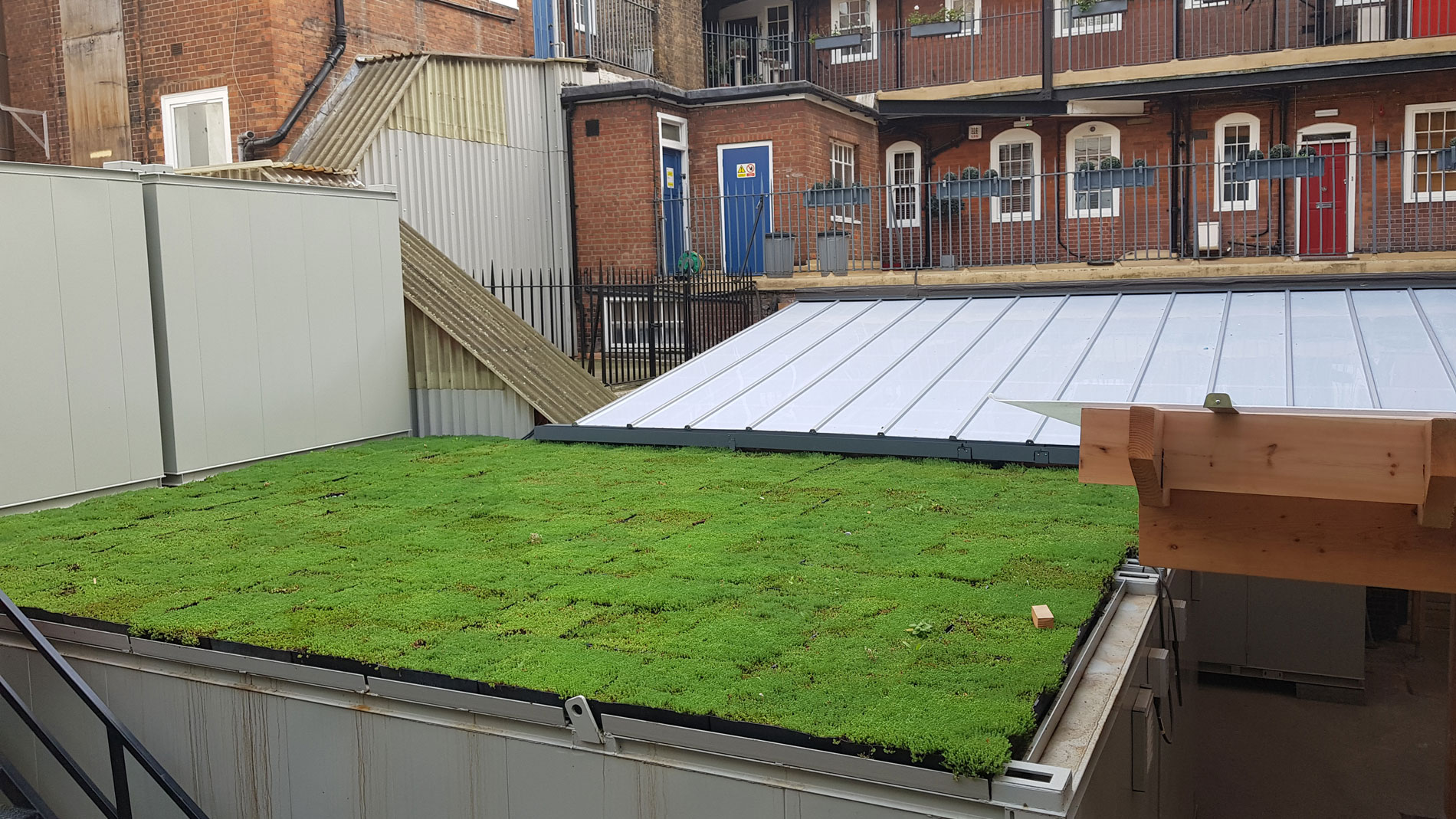
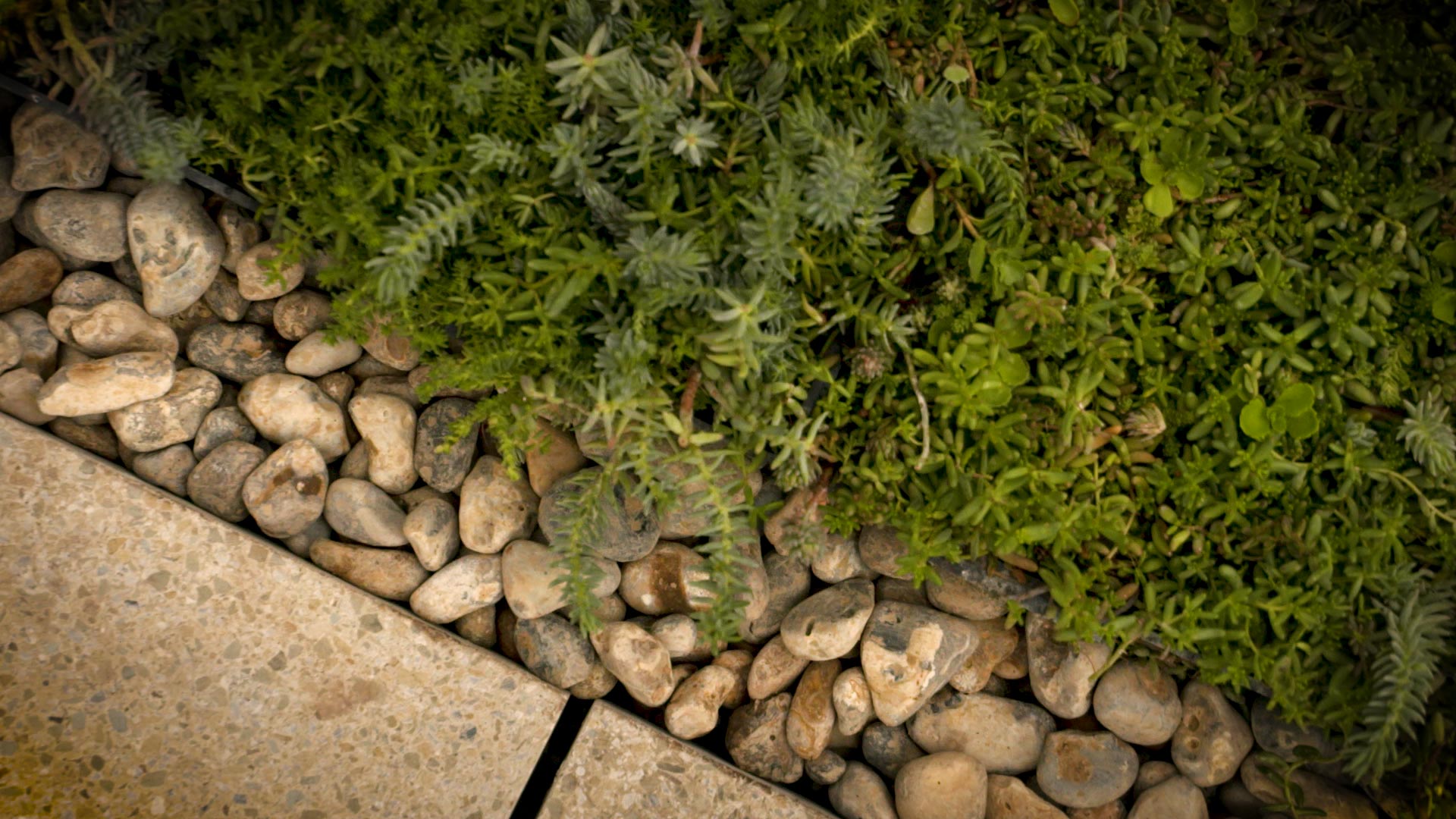
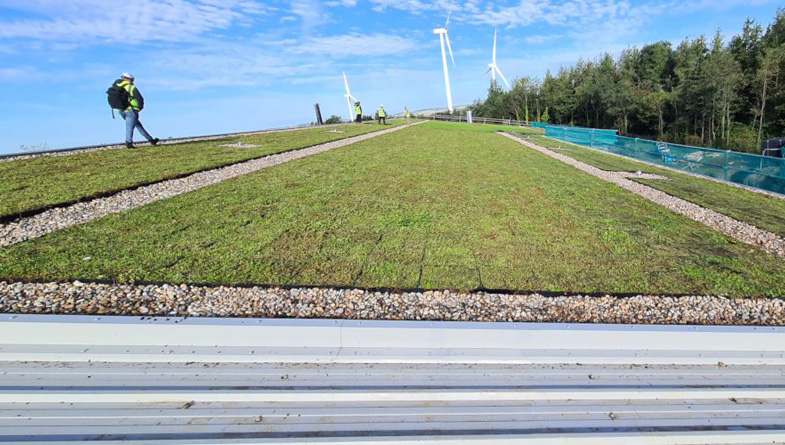
M-Tray wildflower roofs are modular tray-based green roof systems designed specifically to support a wider variety of plant species than traditional extensive green roofs. Rather than relying solely on hardy sedum plants, these systems incorporate a carefully selected mix of wildflowers, grasses, and other low-growing species.
Each M-Tray unit contains drainage layers, growing medium, and pre-established vegetation, ensuring that the roof is immediately functional and visually appealing from installation. This modular approach makes wildflower green roofs more accessible and practical for a wide range of buildings.
Creating Valuable Urban Habitats
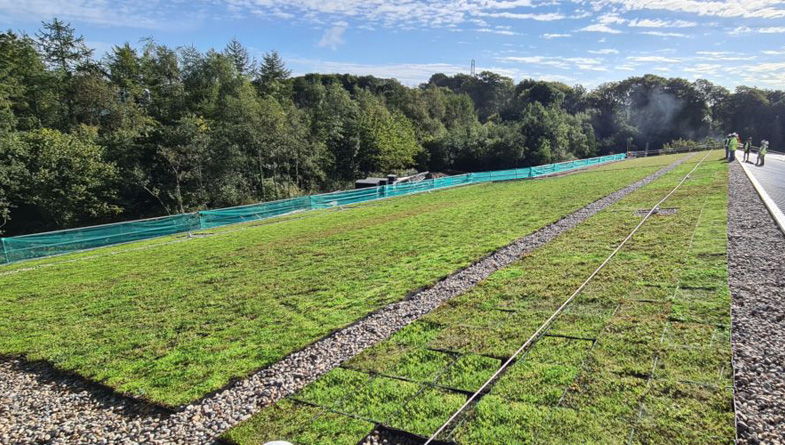
One of the most significant benefits of M-Tray wildflower roofs is their ability to create valuable habitats in areas where natural green space is scarce. Urban environments are often dominated by concrete, asphalt, and glass, leaving little room for wildlife to thrive.
By introducing wildflower vegetation at roof level, M-Tray systems provide safe feeding, nesting, and breeding spaces for insects, birds, and other small creatures. This helps to counteract habitat loss caused by urban development and supports healthier local ecosystems.
Supporting Pollinators and Bees
Pollinators such as bees, butterflies, and hoverflies play a crucial role in maintaining healthy ecosystems, yet their populations have been declining in many parts of the UK due to habitat loss, pesticide use, and climate change.
M-Tray wildflower roofs can help address this issue by providing a reliable source of nectar and pollen in built-up areas. The diverse plant mix attracts a wide range of pollinators throughout the growing season, ensuring that they have access to food even in densely developed environments.
In particular, bee-friendly wildflower roofs can act as stepping stones between parks, gardens, and other green spaces, helping pollinators move more easily across urban landscapes.
Enhancing Urban Biodiversity
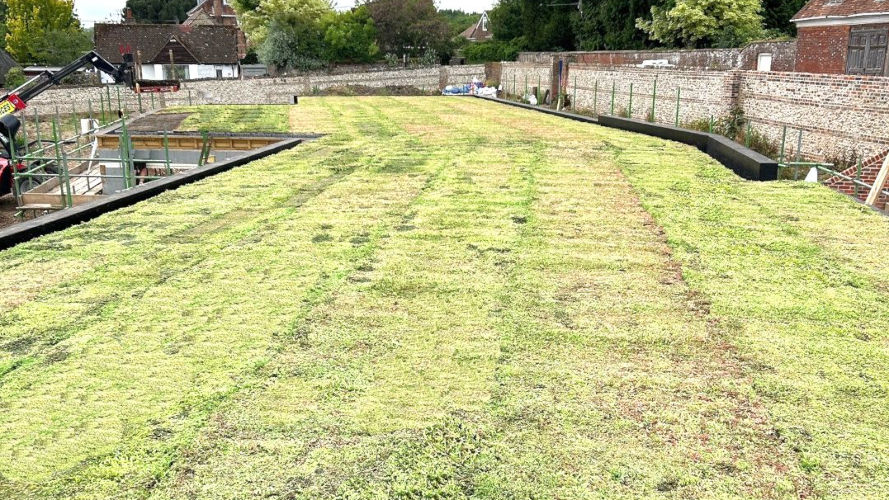
Biodiversity is not just about bees and butterflies. A well-designed wildflower roof can support a wide range of species, including beetles, spiders, birds, and even small mammals in some cases.
By introducing different plant species, M-Tray wildflower roofs create varied microhabitats that cater to different types of wildlife. Some plants provide shelter, others offer food, and some contribute to soil health and ecological balance. This diversity makes wildflower roofs far more ecologically valuable than monoculture or single-species green roofs.
Improving Urban Air Quality
Beyond supporting wildlife, M-Tray wildflower roofs also contribute to improved air quality in urban areas. Plants naturally absorb carbon dioxide and release oxygen while also capturing airborne pollutants and fine dust particles.
While a single green roof may not dramatically change air quality on its own, widespread adoption of wildflower roofs across a city can have a meaningful cumulative effect. This makes them a valuable component of sustainable urban planning and environmental improvement strategies.

Reducing Urban Heat Island Effect
Cities often experience higher temperatures than surrounding rural areas due to the heat absorbed and retained by buildings, roads, and other hard surfaces. This phenomenon is known as the urban heat island effect.
M-Tray wildflower roofs help combat this by introducing vegetation that absorbs and reflects heat more effectively than traditional roofing materials. The plants and growing medium also provide natural cooling through evaporation and transpiration, helping to regulate temperatures at roof level and reduce overall heat buildup in urban areas.
Managing Rainwater Naturally
Another key environmental benefit of M-Tray wildflower roofs is their ability to manage rainwater runoff. Instead of rainwater immediately flowing into drainage systems, the vegetation and substrate absorb and store a portion of it before gradually releasing it back into the atmosphere.
This reduces pressure on urban drainage networks, helps prevent flooding, and improves overall water management in cities. Wildflower roofs, in particular, tend to have deeper substrates than sedum roofs, allowing them to retain more water and provide even greater environmental benefits.
Aesthetic Benefits for Buildings and Communities
In addition to their ecological advantages, M-Tray wildflower roofs also enhance the visual appeal of buildings and urban landscapes. Instead of looking out over plain, grey rooftops, residents and workers can enjoy vibrant, ever-changing natural scenery.
Wildflower roofs offer seasonal variety, with different plants blooming at different times of the year. This creates a dynamic and engaging environment that can improve wellbeing, reduce stress, and make urban spaces feel more connected to nature.
Suitability for Different Types of Buildings
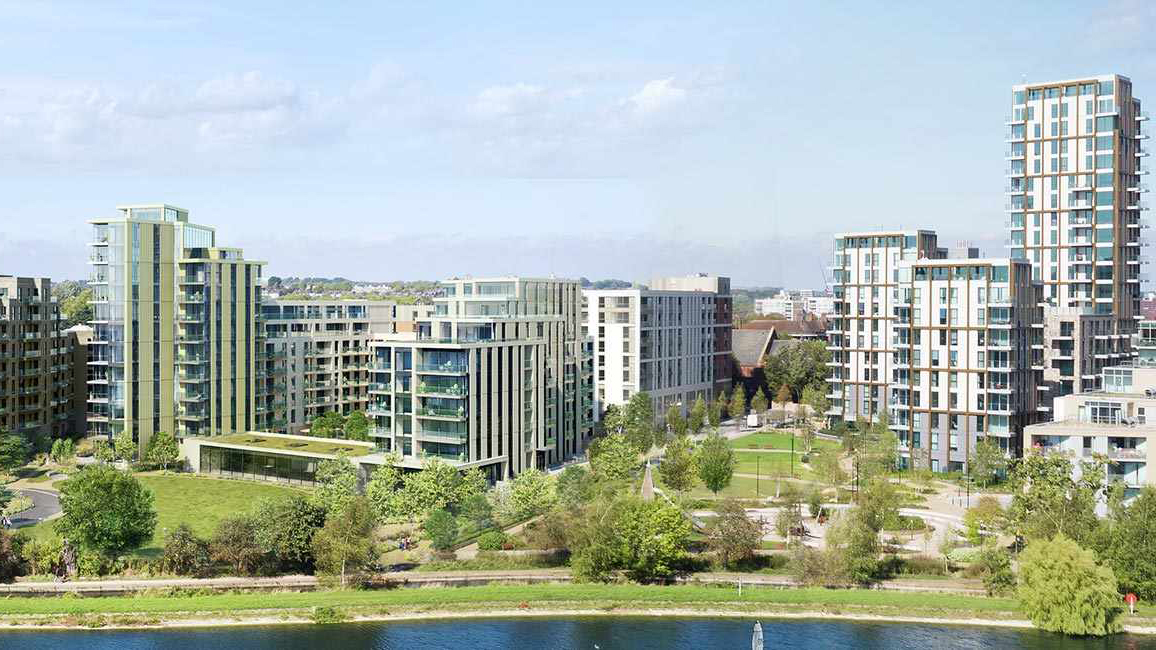
M-Tray wildflower roofs are highly adaptable and can be installed on a wide range of buildings, including offices, schools, hospitals, residential developments, and commercial properties. Their modular design makes them suitable for both new-build projects and retrofit installations.
They can be used on flat or gently sloping roofs and can be tailored to meet specific project goals, whether the priority is biodiversity, aesthetics, or environmental performance.
Maintenance and Long-Term Performance
While wildflower roofs are not completely maintenance-free, M-Tray systems are designed to be relatively low-maintenance compared to traditional landscaped roofs. Routine care typically includes periodic inspections, removal of invasive weeds, and occasional watering during prolonged dry periods.
Over time, the vegetation will naturally evolve, with some species becoming more dominant and others appearing less frequently. This natural progression is part of what makes wildflower roofs so ecologically valuable and visually interesting.
Supporting Sustainability and Planning Goals
Many local authorities and planning bodies in the UK now encourage or require the inclusion of green roofs in new developments, particularly in urban areas. M-Tray wildflower roofs can help developers meet sustainability targets, biodiversity net gain requirements, and sustainable drainage regulations.
By incorporating wildflower roofs into building designs, architects and planners can demonstrate a strong commitment to environmental responsibility and long-term urban resilience.
Long-Term Environmental Value
The benefits of M-Tray wildflower roofs extend far beyond their initial installation. Over time, they contribute to healthier ecosystems, improved air quality, better water management, and more liveable urban environments.
As awareness of environmental issues continues to grow, wildflower roofs are becoming an increasingly important feature of sustainable architecture and urban planning across the UK.
Final Thoughts on M-Tray Wildflower Roofs
M-Tray wildflower roofs offer a powerful combination of ecological, environmental, and aesthetic benefits. By supporting biodiversity, enhancing urban landscapes, and improving building performance, they provide a practical and meaningful way to integrate nature into modern development.
Whether used on a single building or across an entire city, M-Tray wildflower roofs have the potential to transform rooftops into thriving habitats that benefit both wildlife and people. As cities continue to evolve, solutions like these will play a vital role in creating greener, healthier, and more sustainable urban environments.