Next Day Delivery order before 2pm
  Order / Enquire Now
 Call 020 8916 2222
Green roofs have become an increasingly important feature of modern architecture, particularly in urban environments where space is limited and sustainability is a growing priority. Among the various systems available, roll-out green roofs have gained significant popularity thanks to their simplicity, efficiency, and ease of installation.
Unlike traditional systems that require multiple layers to be built up on site, roll-out green roofs arrive as pre-grown vegetation mats that can be laid directly onto a prepared surface. This makes them one of the fastest and most practical ways to introduce greenery to rooftops across the UK.
What Are Roll-Out Green Roof Systems?
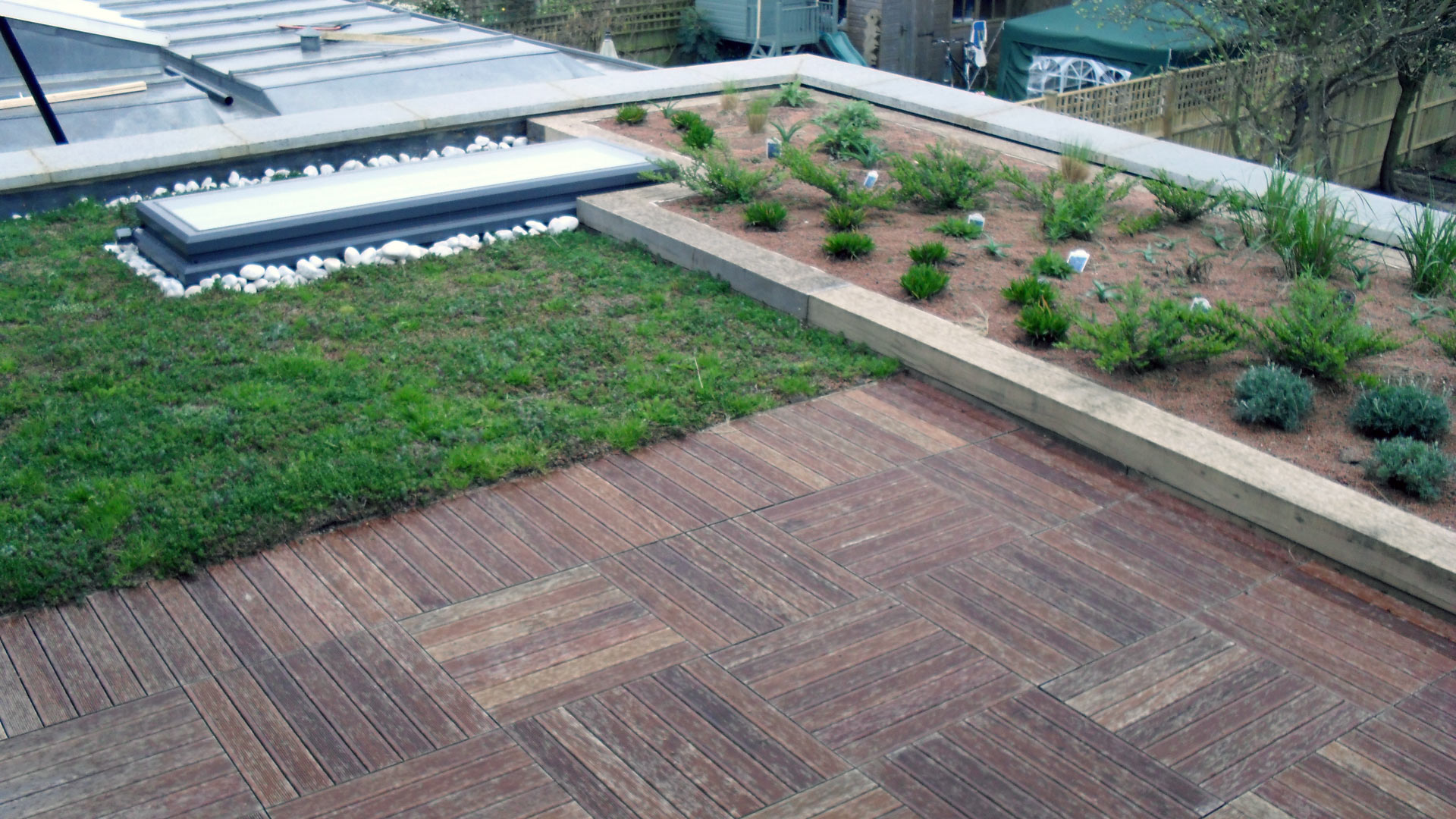
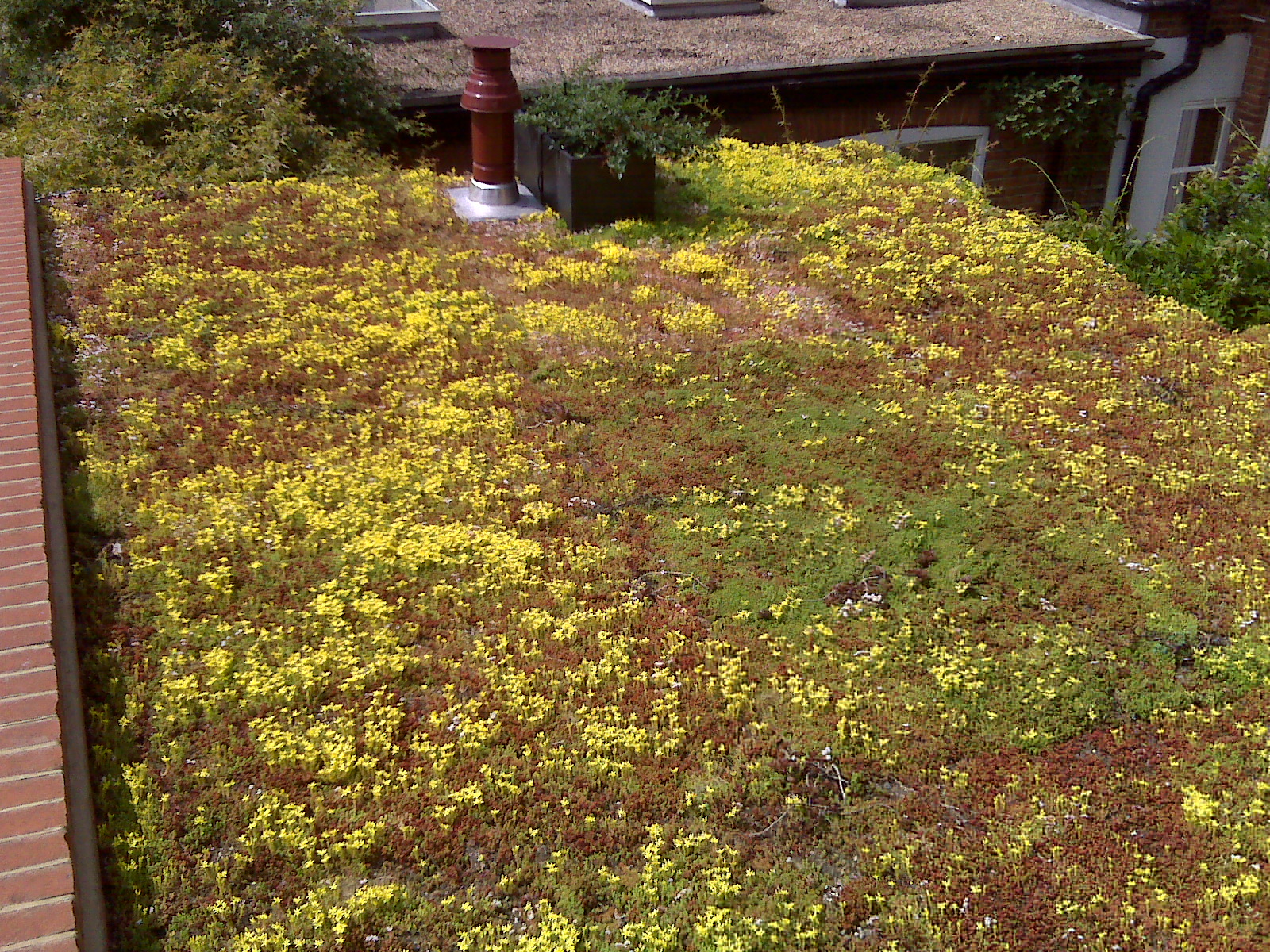
Roll-out green roofs consist of pre-cultivated vegetation mats grown off-site in controlled environments. These mats typically feature sedum or other low-growing, drought-resistant plants that are well suited to rooftop conditions.
The vegetation is established on a thin layer of substrate, reinforced with mesh so it can be rolled, transported, and installed much like turf. Once laid, the plants quickly settle into their new environment, creating an instant green roof with immediate visual and environmental benefits.
To better understand how these systems are designed and applied, you can explore the full roll-out green roof system range, which showcases their versatility across different project types.
How Roll-Out Green Roofs Work
Roll-out systems function similarly to other extensive green roofs but with a far simpler installation process. Beneath the vegetation mat, the roof typically includes:
- A waterproof membrane
- Root barrier
- Drainage layer
- Filter layer
These layers work together to protect the structure while allowing water to drain effectively.
Once the base is prepared, the vegetation mats are rolled out across the surface, forming a continuous green layer. The plants then continue to grow and establish, creating a cohesive living roof over time.

Fast and Efficient Installation
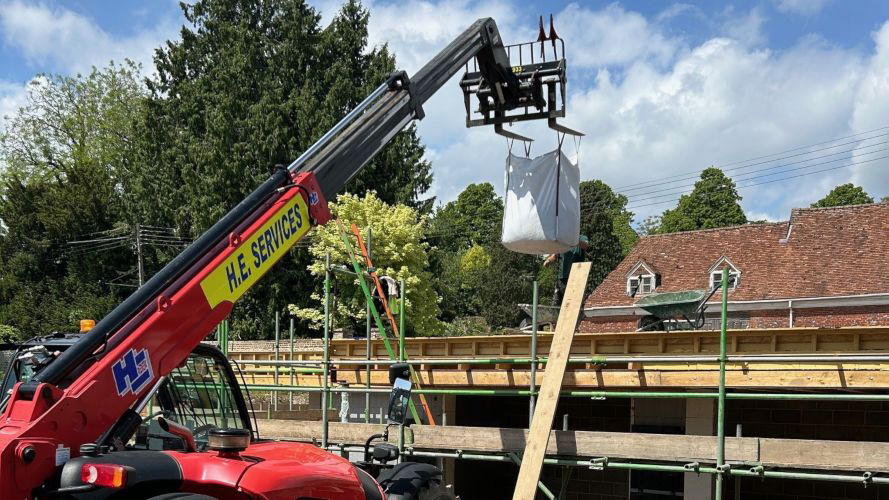
One of the biggest advantages of roll-out systems is speed. Traditional green roofs can take considerable time to install and establish, particularly when planting is done on-site.
With roll-out systems, the vegetation is already mature. This means installation can often be completed in a single day, making them ideal for projects where time is a key factor.
This efficiency is one of the reasons why the roll-out green roof system has become such a popular choice for both commercial and residential developments.
Minimal Disruption During Installation
Because installation is quick and straightforward, disruption to building operations is kept to a minimum. There is no need for extended construction work or complex planting processes.
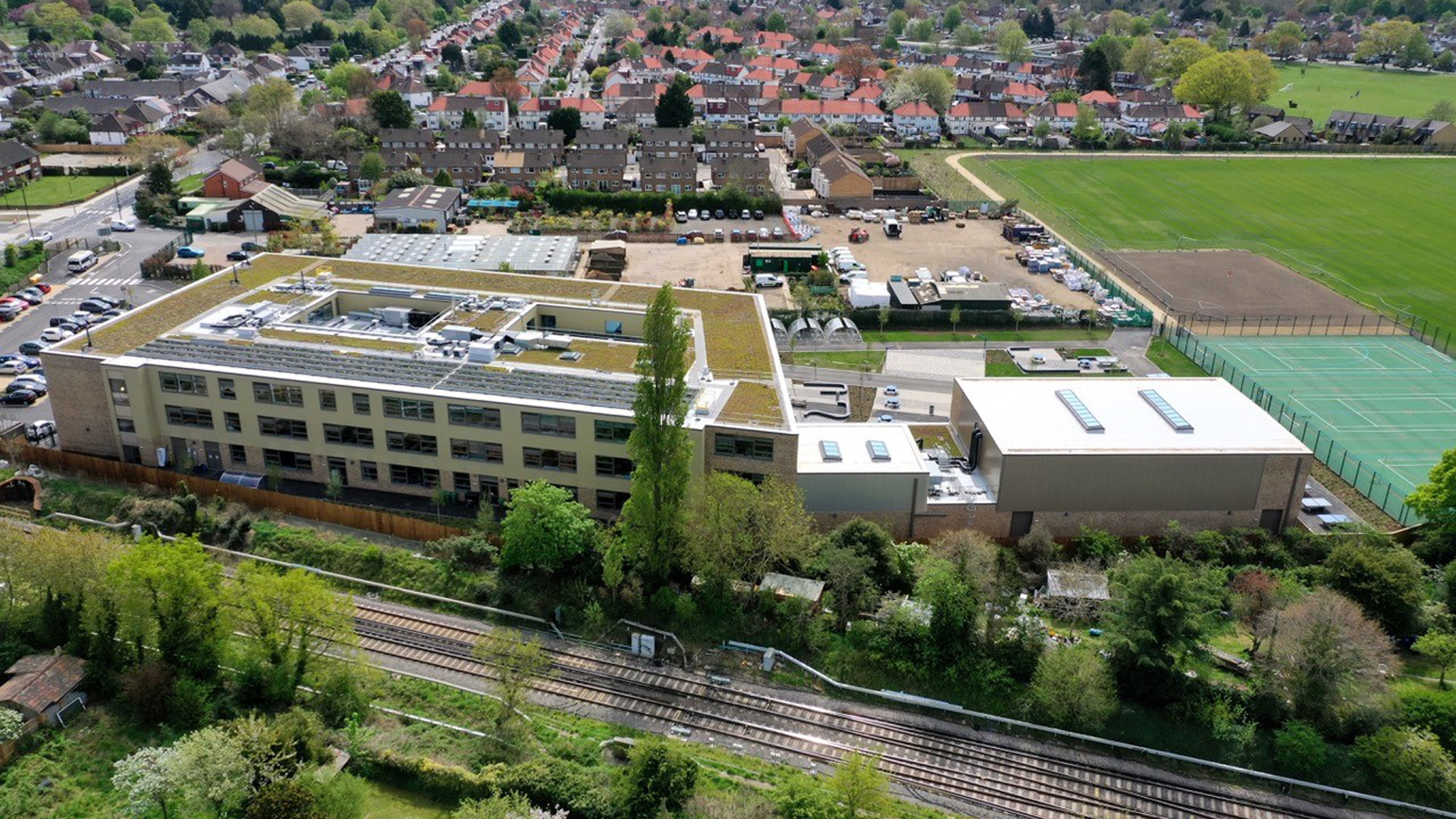
This makes roll-out green roofs particularly suitable for occupied buildings such as schools, hospitals, offices, and residential properties where minimising disruption is essential.

Low Maintenance Requirements
Roll-out green roofs are designed to be low maintenance. Once established, sedum-based systems require very little ongoing care.
Typical maintenance includes:
- Occasional inspections
- Removal of unwanted weeds
- Light watering during prolonged dry periods
In most cases, natural rainfall provides sufficient moisture for the plants to thrive.
Effective Rainwater Management
Like all green roofs, roll-out systems help manage rainwater by absorbing and retaining a portion of rainfall. This reduces the volume of water entering drainage systems during heavy rain.
By slowing the flow of water, these roofs help reduce the risk of flooding and support sustainable drainage strategies in urban environments.
Improving Energy Efficiency
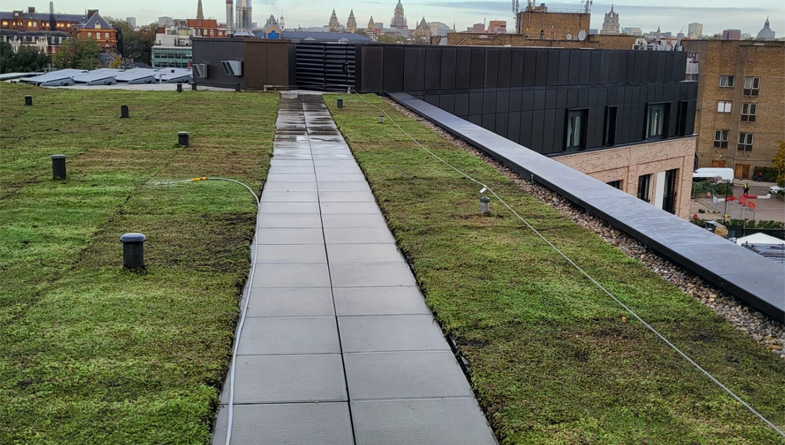
Roll-out green roofs also enhance energy efficiency. The vegetation and substrate provide an additional insulating layer that helps regulate indoor temperatures.
During colder months, heat loss is reduced, while in warmer weather, the plants help keep buildings cooler by absorbing and reflecting sunlight. This can lead to reduced reliance on heating and cooling systems over time.
Supporting Urban Biodiversity
Although roll-out systems are often planted with sedum, they still provide important ecological benefits. The flowers produced by sedum attract bees, butterflies, and other pollinators, helping to support biodiversity in urban areas.
Even relatively simple green roofs can contribute to a healthier ecosystem, especially when used across multiple buildings within a city.
Enhancing Visual Appeal
Roll-out green roofs transform otherwise unused roof space into a natural, visually appealing feature. Instead of plain, grey surfaces, buildings benefit from a living landscape that changes with the seasons.
This not only improves the appearance of the building but can also enhance wellbeing for those who live or work nearby.
Versatility Across Different Projects
Roll-out systems are highly adaptable and can be installed on a wide range of flat or gently sloping roofs. They are suitable for:
- Commercial buildings
- Schools and hospitals
- Residential developments
- Retail spaces
Their flexibility makes them a practical option for both new-build projects and retrofits.
For projects requiring a reliable and adaptable solution, the roll-out green roof system offers a proven approach that can be tailored to different building types and requirements.
Structural Considerations
Although roll-out green roofs are relatively lightweight, it is still essential to assess the structural capacity of the building before installation.
A professional assessment ensures the roof can safely support the system, particularly when saturated during periods of heavy rainfall.
Long-Term Durability
Roll-out green roofs are built to withstand the UK’s varied weather conditions, including heavy rain, frost, and strong winds.
The hardy plant species used are well adapted to rooftop environments, ensuring long-term performance with minimal intervention.
Cost-Effective Over Time
While there is an upfront investment, roll-out green roofs offer strong long-term value. Benefits such as:
- Reduced energy costs
- Extended roof lifespan
- Increased property appeal
- Environmental performance
all contribute to making them a cost-effective solution over time.

Supporting Planning and Sustainability Goals
Many local authorities now encourage or require green roofs in new developments. Roll-out systems provide a straightforward way to meet these requirements.
They can help achieve:
- Biodiversity net gain
- Sustainable drainage compliance
- Environmental planning targets
This makes them an attractive option for developers and architects focused on sustainability.
Final Thoughts on Roll-Out Green Roof Systems
Roll-out green roof systems offer a simple, efficient, and low-maintenance solution for bringing greenery into urban environments. Their speed of installation, environmental benefits, and visual appeal make them an increasingly popular choice across the UK.
By choosing a roll-out system, building owners can transform unused roof space into a functional, sustainable feature that supports both environmental goals and building performance.
Ready to Get Started with a Roll-Out Green Roof?
If you are looking for a fast, reliable, and effective green roofing solution, Wallbarn’s roll-out systems provide everything you need to get started.
Call +44 (0)20 8916 2222 or email sales@wallbarn.com to speak with the team and find the right solution for your project.