Next Day Delivery order before 2pm
  Order / Enquire Now
 Call 020 8916 2222
Delivering construction projects within healthcare environments presents a unique set of challenges. Hospitals operate around the clock, supporting vulnerable patients and essential medical services that cannot be disrupted. When a project involves building on the roof of a live hospital facility, the complexity increases significantly.
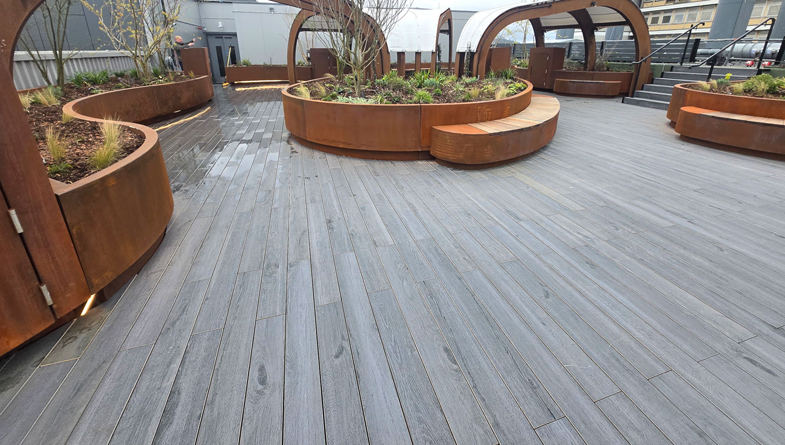
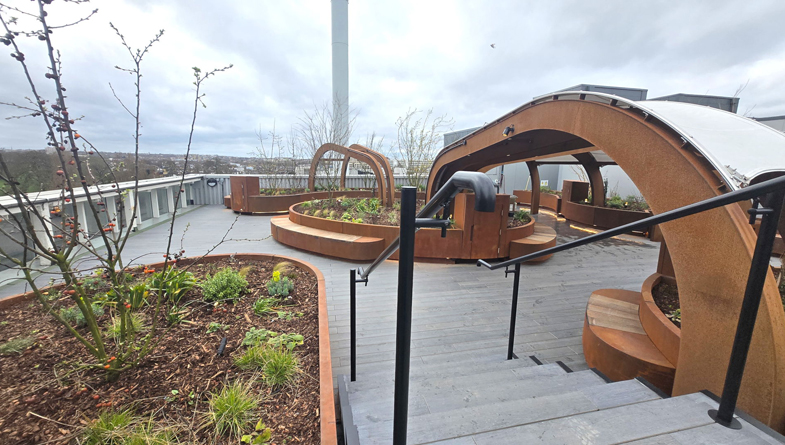
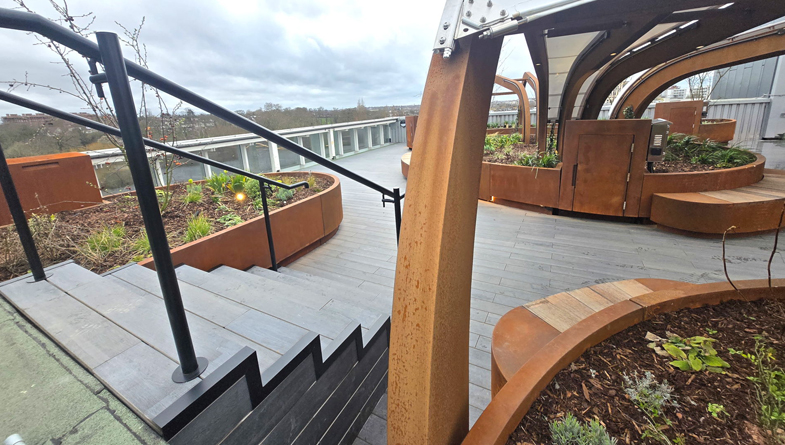
This was the situation faced by the project team responsible for delivering the outdoor Critical Care Unit (CCU) rooftop garden at King’s College Hospital in London. The 170 square metre space has been designed as a fully functional extension of the hospital’s critical care facilities, allowing patients to safely experience fresh air, daylight, and nature while remaining connected to life-supporting medical equipment.
Transforming an unused rooftop into a safe and compliant therapeutic environment required detailed planning, careful coordination between multiple specialists, and a logistics strategy capable of operating within the constraints of a busy hospital.
A Unique Opportunity for Healthcare Innovation
The rooftop garden project was originally conceived by Dr Tom Best, Critical Care Clinical Director at King’s College Hospital. His idea was to create an outdoor space where critically ill patients could benefit from exposure to natural surroundings while still receiving intensive medical care.
While the concept offered clear benefits for patient wellbeing, delivering it presented significant technical and practical challenges. The roof above the CCU had remained unused due to structural complexities and the difficulties involved in creating an accessible outdoor space within a live hospital environment.
Turning this space into a functional extension of the hospital required the involvement of a highly experienced multidisciplinary team.
The project was led by Malcolm Hankey of Bluelight Management, with architectural design provided by BMJ Architects and landscape design by Professor Nigel Dunnett. Engineering consultancy support came from WSP and Ross & Partners Ltd, ensuring the project could meet strict structural and regulatory requirements.
Together, the team developed a design capable of transforming the unused roof into a safe and restorative environment for patients, families, and healthcare staff.
Early Collaboration and Technical Planning
From the outset, collaboration played a critical role in shaping the project. Early engagement between designers, engineers, and specialist suppliers allowed the team to address potential challenges before construction began.
Wallbarn became involved in the project through long-standing partner AB Building Products, who were supplying the fire-rated decking boards known as Exadeck. Solutions such as non-combustible porcelain decking are increasingly important on projects where fire safety and long-term performance are central to the specification.
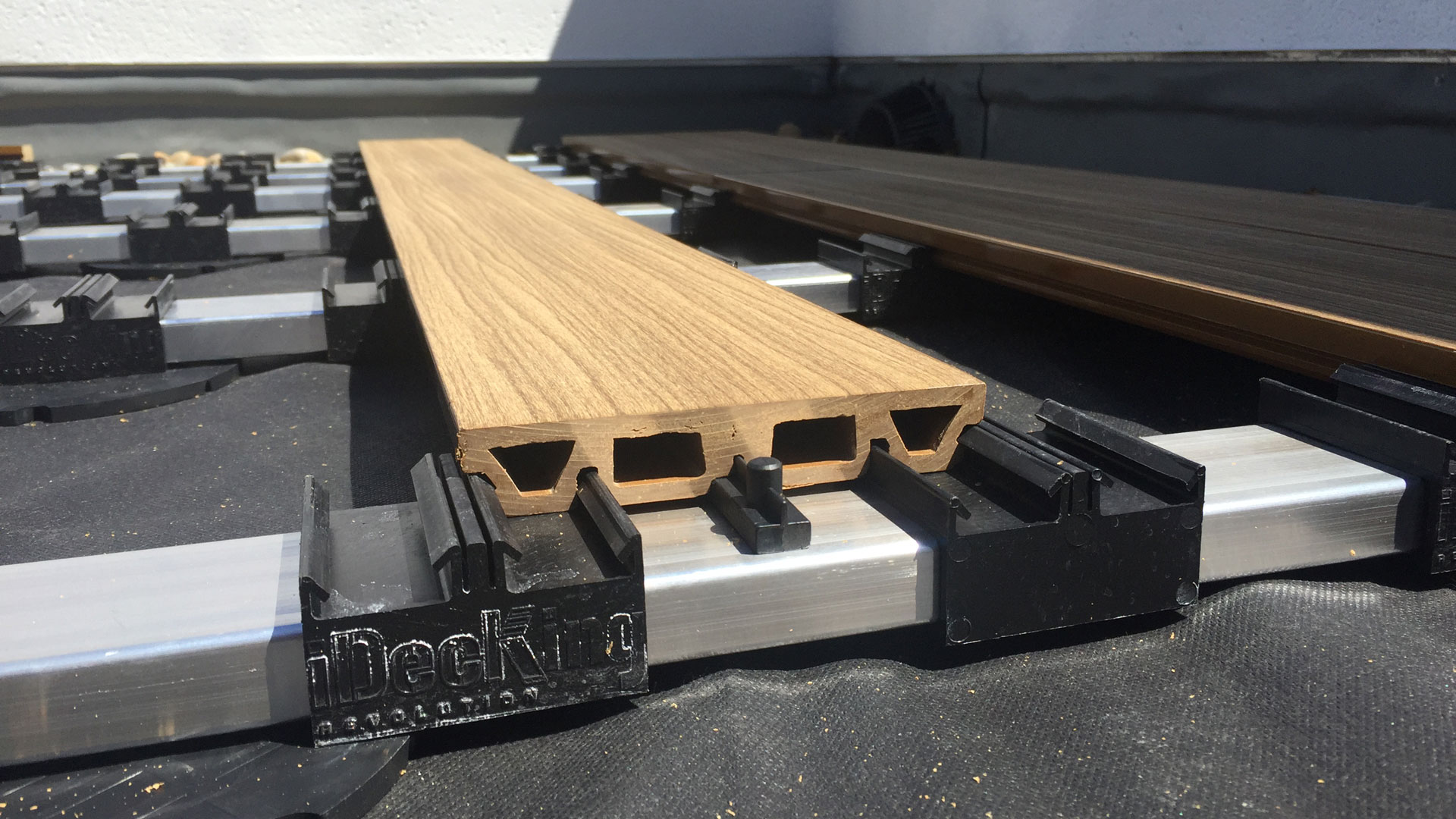
Wallbarn’s role focused on developing a compliant and adaptable decking substructure system capable of supporting the rooftop garden while meeting strict fire safety and structural requirements. A key part of this approach was the use of a Class A1 rail substructure system, helping to provide a robust and fire-compliant foundation for the finished deck build-up.
Because the space would be used by vulnerable patients and located high above an active hospital, safety and compliance were essential considerations.
The project therefore required a fully non-combustible decking system that complied with Building Regulations Approved Document B, which governs fire safety in buildings.
Composite decking materials were ruled out early in the design process due to fire performance limitations, reinforcing the need for a specialist solution.
Designing Around Critical Medical Infrastructure
One of the most technically demanding aspects of the project involved the extensive network of services located beneath the rooftop surface.
The area above the CCU contains a range of critical medical infrastructure, including:
Medical gas systems
Electrical power supplies
Data and communications cables
Monitoring equipment and control systems
Protecting these services while maintaining full operational access was essential.
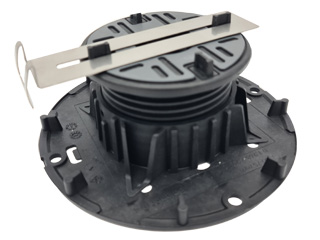
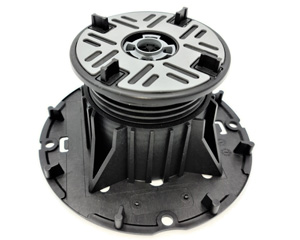
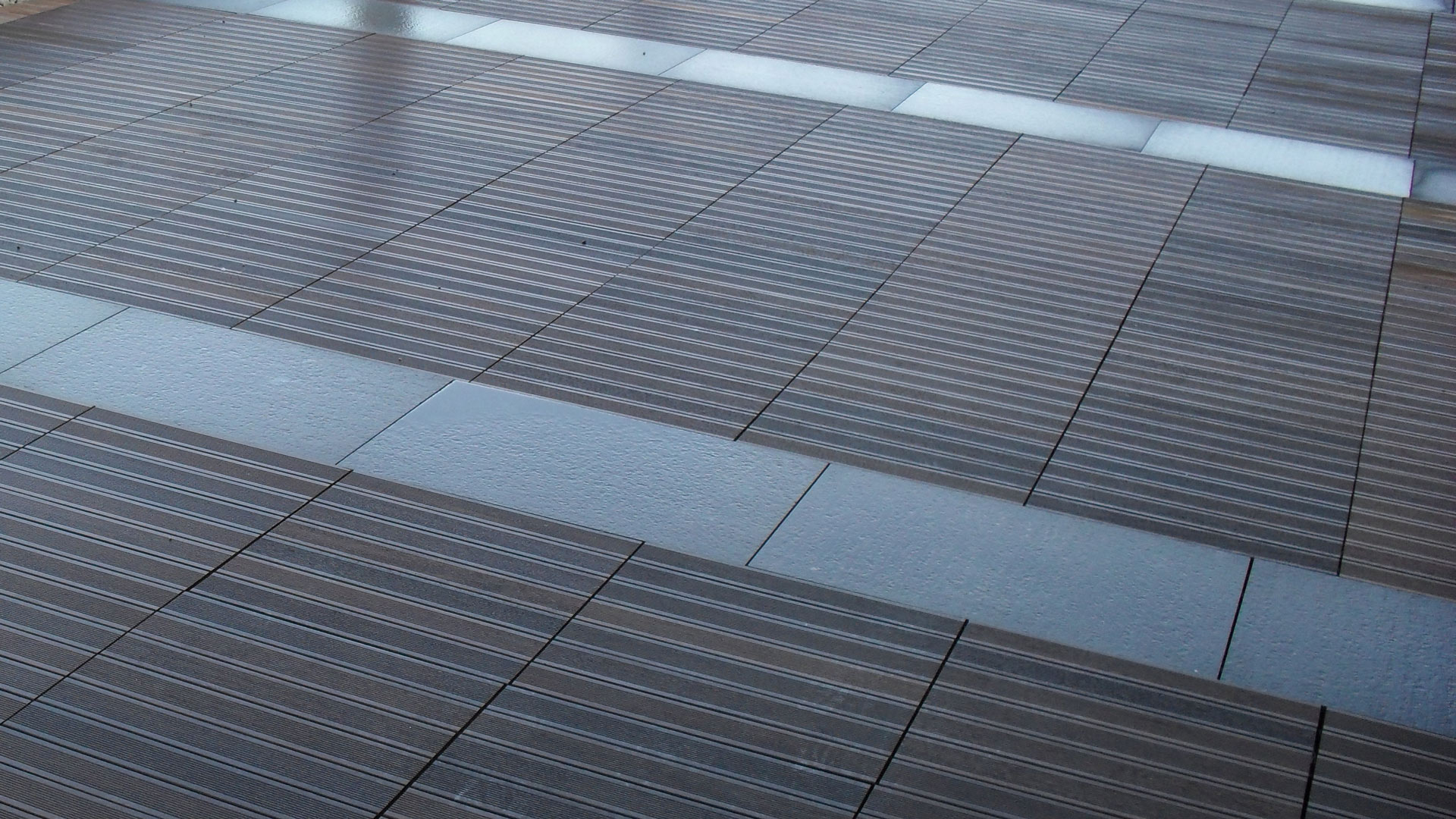
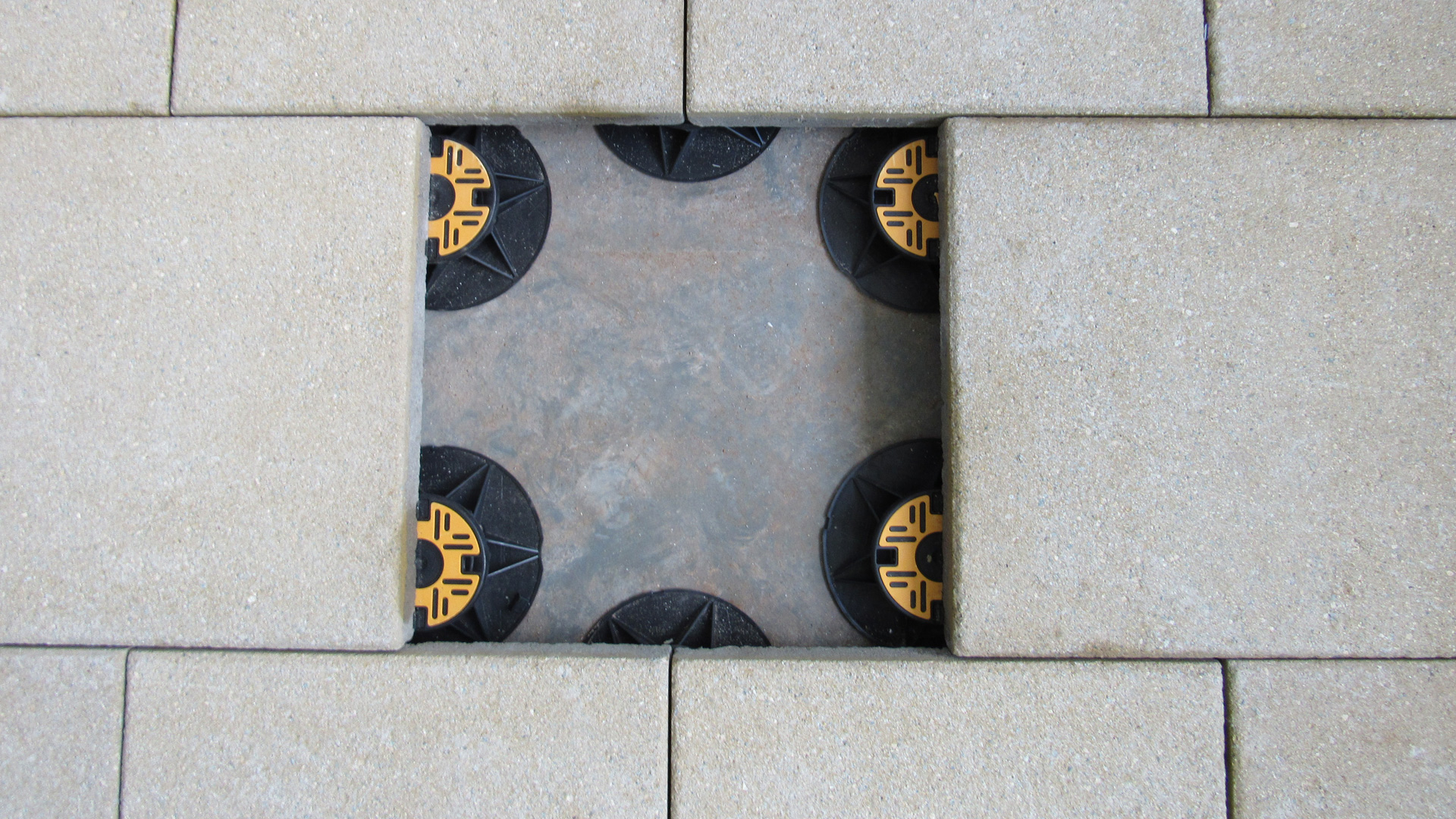
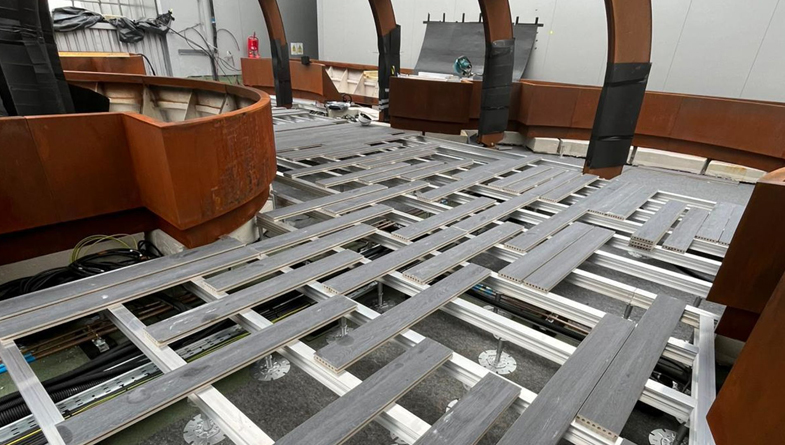
To accommodate these requirements, the project utilised a suspended decking system supported by adjustable pedestals. This approach created a void beneath the finished deck surface, allowing services to be safely routed while maintaining ventilation and drainage.
The design also incorporated discreet access hatches positioned at key locations within the deck. These hatches provide direct access to equipment and service routes, allowing maintenance teams to carry out inspections and repairs without dismantling large sections of the deck.
This practical design approach ensures the rooftop garden can operate efficiently within the wider hospital infrastructure.
Specialist Installation Expertise
Once the technical design had been finalised, ISW UK Ltd were recommended as the preferred installation contractor. The company has extensive experience delivering complex rooftop projects and had previously worked with Wallbarn on several technically demanding schemes.
Before construction began, ISW UK Ltd strongly recommended conducting a full roof survey. This proved to be a critical step in ensuring the success of the project.
The survey identified several discrepancies between earlier design drawings and the actual conditions on site. These included measurement differences and structural tolerances that could have affected the installation.
By resolving these issues before materials were ordered, the project team was able to update the design and produce a fully coordinated set of final drawings.
Wallbarn supported this process by revising layouts, updating material quantities, and issuing accurate quotations based on confirmed site measurements.
This proactive approach delivered several important advantages:
Preventing installation errors
Avoiding unnecessary material waste
Reducing the risk of construction delays
Delivering cost savings for the client
It also ensured that the installation phase could proceed smoothly once work began.
Managing Access Within a Busy Hospital
Perhaps the most challenging aspect of the project involved logistics and site coordination.
Unlike many construction projects, this scheme was being delivered within a fully operational hospital environment. Access routes such as staircases, corridors, and entry points are critical to the daily functioning of the hospital and could not remain closed for extended periods.
To complete the installation, certain areas of the hospital were temporarily dedicated to the project so materials could be safely transported to roof level.
Because these spaces needed to be returned to normal use as quickly as possible, deliveries and installation activities had to be carefully scheduled and tightly controlled.
Materials were supplied on standard Euro pallets, which helped simplify handling and storage throughout the building.
The aluminium rails used in the decking system were supplied in 3.6 metre lengths, but each rail was lightweight enough to be carried safely by a single installer. This improved efficiency during installation and reduced the need for heavy lifting equipment within the hospital.
A Durable and Compliant Final System
The completed decking system incorporates several specialist components designed to deliver long-term performance in a healthcare environment.
These include:
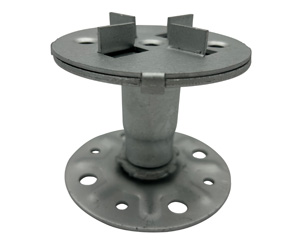
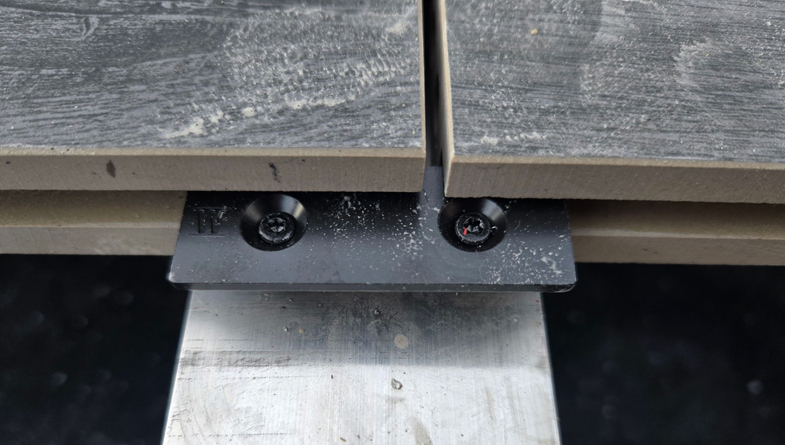
MetalPad Ex steel pedestals with Zintec 200 anti-corrosion coating
High-grade extruded aluminium rails and joists
Class A rated fixings and connectors
Heavy-duty, non-combustible Exadeck decking boards
Together, these elements create a robust structure capable of supporting the rooftop environment while maintaining full compliance with fire safety regulations.
The materials selected for the system are designed to provide a life expectancy of more than 50 years, ensuring the rooftop garden can continue supporting patient wellbeing for decades to come.
A Landmark Achievement in Healthcare Construction
The successful completion of the rooftop Critical Care garden at King’s College Hospital demonstrates what can be achieved when specialist expertise and collaboration come together to solve complex challenges. It also sits alongside other innovative rooftop work, such as this rooftop CCU space case study for King’s College Hospital, which highlights the value of combining compliant materials with thoughtful design in sensitive healthcare settings.
By overcoming logistical constraints, technical hurdles, and strict regulatory requirements, the project team has delivered a space that enhances patient care while maintaining the highest standards of safety and performance.
The rooftop garden now stands as a pioneering example of healthcare innovation, showing how unused spaces within hospital buildings can be transformed into valuable therapeutic environments.
As hospitals continue to evolve, projects like this highlight the potential for creative design and engineering solutions to improve the patient experience while supporting the essential work of healthcare professionals.