Next Day Delivery order before 2pm
  Order / Enquire Now
 Call 020 8916 2222
When designing outdoor spaces for healthcare environments, safety, durability, and compliance are critical considerations. Hospitals operate under some of the most stringent building regulations, and any materials used within these settings must meet exceptionally high standards.
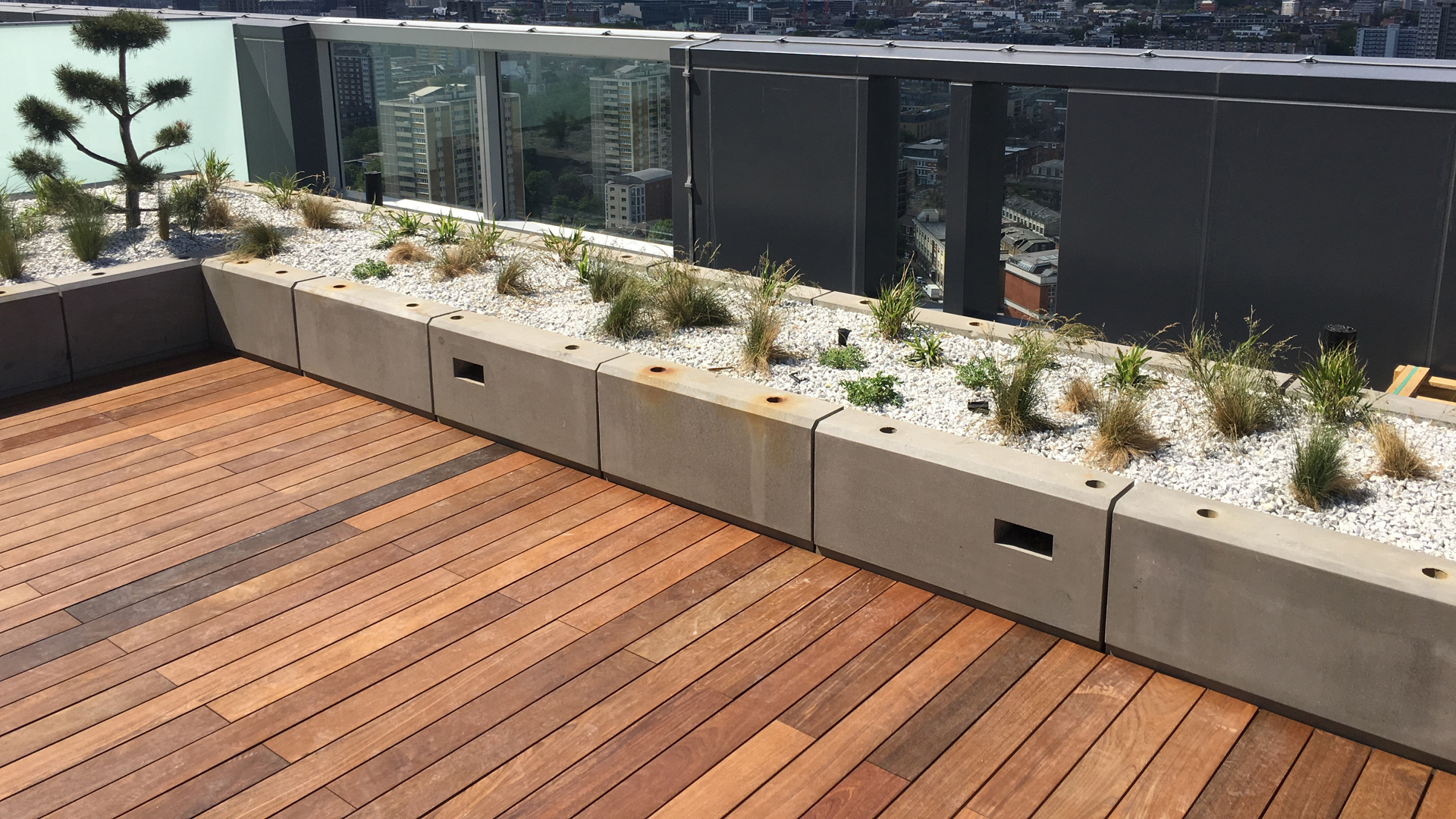
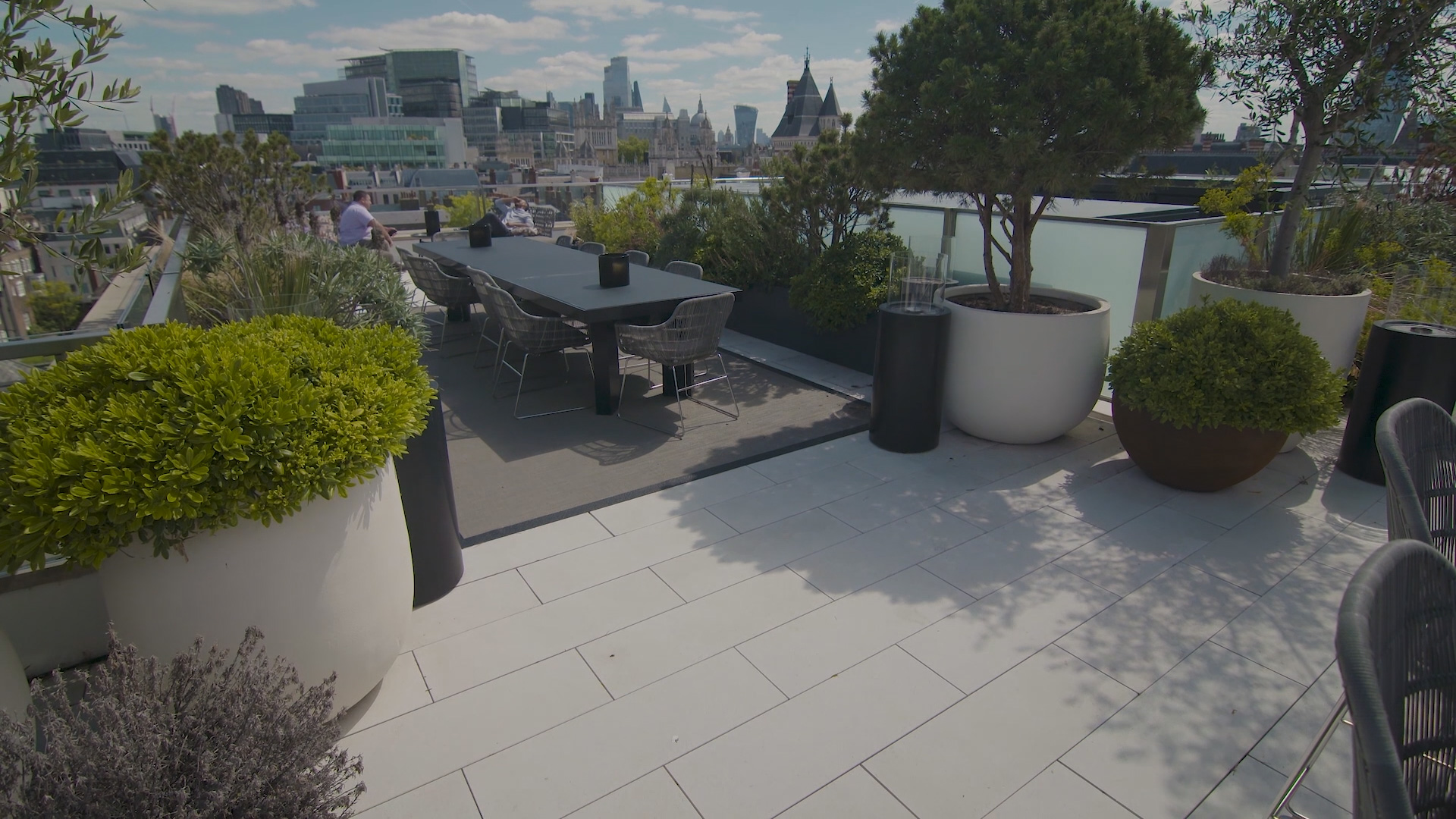
This was particularly true for the development of the Critical Care Unit (CCU) rooftop garden at King’s College Hospital in London. The project transformed an unused rooftop into a 170 square metre outdoor environment, allowing critically ill patients to safely experience fresh air and nature while remaining connected to essential medical equipment.
Delivering such an ambitious project required careful collaboration between architects, engineers, contractors, and specialist manufacturers. A key component of the scheme was the fire-rated decking and support system, designed to meet strict safety regulations while providing long-term performance in a demanding healthcare setting.
A Rooftop Garden Designed for Critical Care
The rooftop garden was conceived as an extension of the hospital’s world-class CCU. The original idea came from Dr Tom Best, Critical Care Clinical Director at King’s College Hospital, who recognised the importance of supporting both physical and mental wellbeing during recovery.
Research has shown that exposure to natural environments can help reduce stress, support emotional wellbeing, and contribute to improved patient recovery. For patients in intensive care, who may spend extended periods indoors, access to outdoor spaces can be particularly beneficial.
The rooftop garden provides a safe, accessible outdoor environment where patients can experience fresh air and daylight without leaving the clinical setting.
However, creating such a space required a highly specialised construction approach.
Fire Safety as a Core Design Requirement
Because the garden sits above an active hospital facility and would be used by vulnerable patients, fire safety was a critical requirement from the earliest stages of the project.
The design had to comply with Building Regulations Approved Document B, which governs fire safety in buildings. This meant that all materials used within the decking and planter support systems had to achieve Class A fire performance, the highest available rating for external surfaces.
Early design reviews quickly ruled out composite decking materials due to their fire performance limitations. Instead, the project required a fully non-combustible decking solution capable of meeting strict regulatory requirements while still delivering the aesthetic and practical qualities needed for an outdoor garden environment.
Wallbarn’s Role in the Technical Solution
Wallbarn became involved in the project through their long-standing partnership with AB Building Products, who were supplying the fire-rated decking boards used within the scheme.
Wallbarn’s role was to provide the technical design and substructure solution required to support the decking and planter systems.
The team worked closely with architects, engineers, and contractors to develop a solution that could:
-
Meet strict fire safety regulations
-
Support a complex rooftop layout
-
Provide precise height adjustment
-
Allow access to critical services beneath the deck
-
Deliver long-term durability in a healthcare environment
The result was a robust and adaptable decking support system capable of meeting the demanding requirements of the project.
The Exadeck Fire-Rated Decking System
The decking surface used within the project was Exadeck, a heavy-duty, non-combustible decking board designed for environments where fire safety is essential.
Exadeck boards are supplied in standard 1.2 metre lengths, making them practical to transport and install within complex construction environments such as hospitals.
In this project, the boards were supplied on standard Euro pallets, helping to simplify logistics and material handling within the building.
The decking boards were installed on a specialist support structure designed to provide both strength and flexibility.
Adjustable Pedestal and Aluminium Rail System
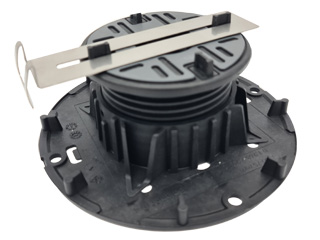
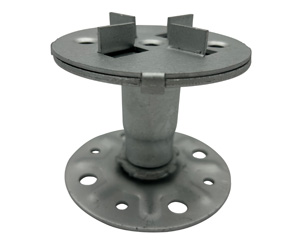
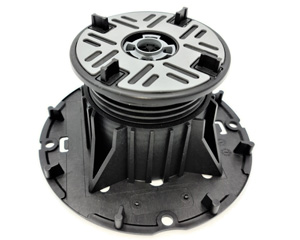
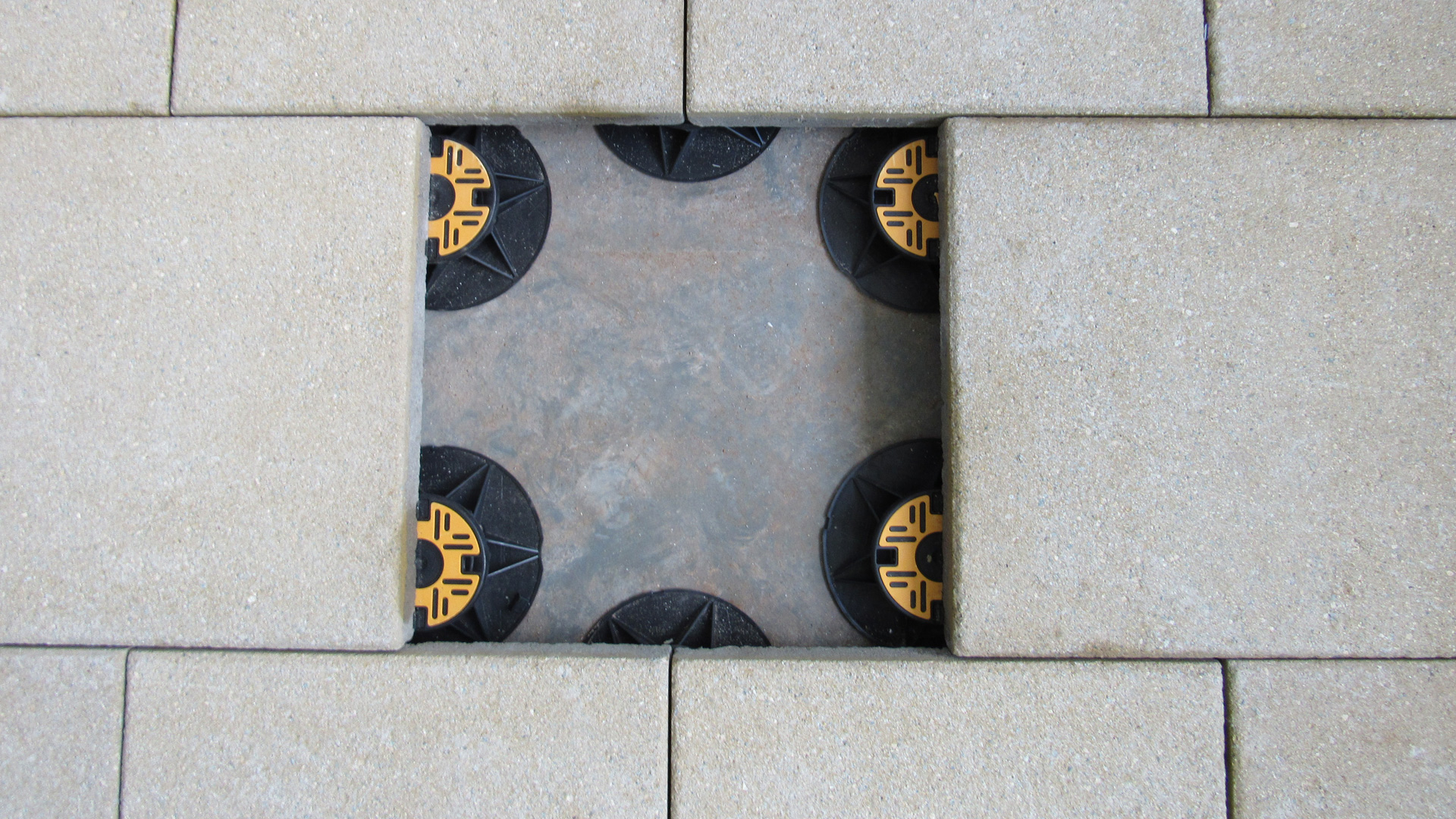
The decking substructure incorporates MetalPad Ex steel pedestals, which provide adjustable support for the deck surface. These pedestals feature Zintec 200 anti-corrosion coating, helping to protect the system from environmental exposure and ensuring long-term durability.
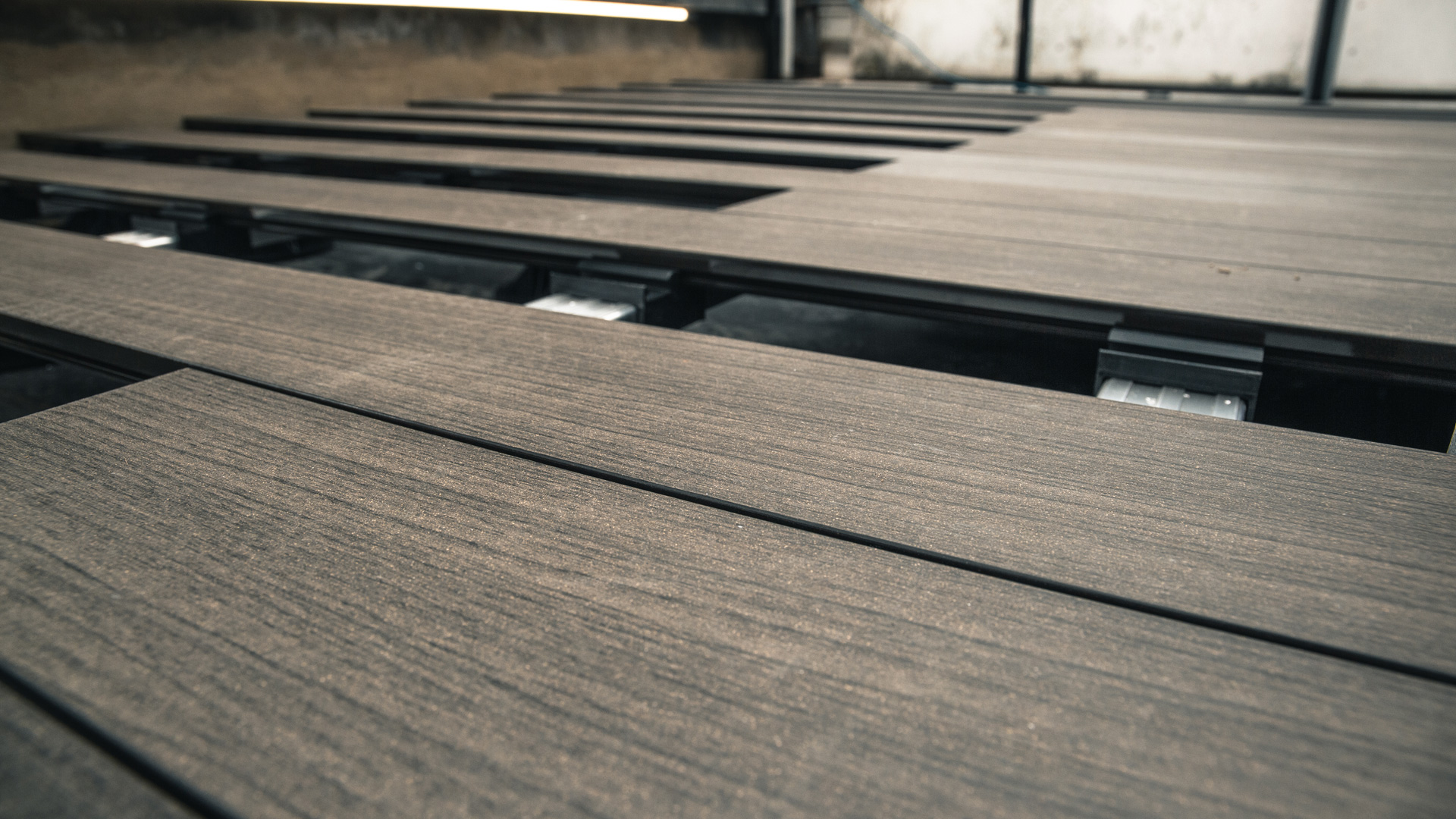
Supporting the decking boards are high-grade extruded aluminium rails and joists, which provide structural stability while remaining lightweight and easy to handle during installation.
The aluminium rails used in the project were supplied in 3.6 metre lengths, delivered on larger pallets. Despite their size, each rail remained lightweight enough to be handled safely by a single installer, helping to streamline the installation process.
Together, the pedestal and rail system creates a stable platform capable of supporting both the decking surface and the planter systems used throughout the rooftop garden.
Protecting Critical Infrastructure Beneath the Deck
One of the key design considerations for the project was the presence of extensive medical infrastructure beneath the rooftop surface.
Because the garden sits directly above the Critical Care Unit, the area contains a network of essential service routes. These include medical gases, electrical power systems, data networks, and monitoring equipment.
To accommodate these services, the decking system was designed as a suspended platform, creating a void beneath the deck surface where infrastructure could be safely routed.
This design approach offers several advantages:
-
Protecting critical service routes
-
Allowing ventilation and drainage beneath the deck
-
Providing access for inspection and maintenance
-
Supporting long-term operational flexibility
Strategically placed access hatches were also incorporated into the deck surface. These allow maintenance teams to reach service points without dismantling large areas of the decking.
Built for Long-Term Performance
Healthcare infrastructure projects are expected to deliver long-term reliability, often operating for decades with minimal disruption.
The materials used within the rooftop garden decking system were therefore selected with durability in mind.
The final system includes:
-
MetalPad Ex steel pedestals with anti-corrosion protection
-
Extruded aluminium rails and joists
-
Class A rated fixings and connectors
-
Heavy-duty Exadeck non-combustible decking boards
Together, these components create a system designed to achieve a life expectancy of more than 50 years.
This long-term durability ensures that the rooftop garden can continue to support patient wellbeing while requiring minimal maintenance over its lifetime.
Supporting Innovation in Healthcare Design
The rooftop Critical Care garden at King’s College Hospital demonstrates how specialist construction systems can support innovative healthcare environments.
By combining fire-rated materials, adaptable structural systems, and careful technical planning, the project team successfully transformed an unused rooftop into a valuable therapeutic space.
For Wallbarn, the project highlights the importance of working closely with architects, consultants, and contractors to deliver compliant solutions for complex environments.
It also demonstrates how thoughtful engineering can help unlock new possibilities for healthcare design.
As hospitals continue to evolve, projects like this show that even the most technically demanding environments can incorporate outdoor spaces that support patient wellbeing while maintaining the highest standards of safety and performance.