Next Day Delivery order before 2pm
  Order / Enquire Now
 Call 020 8916 2222
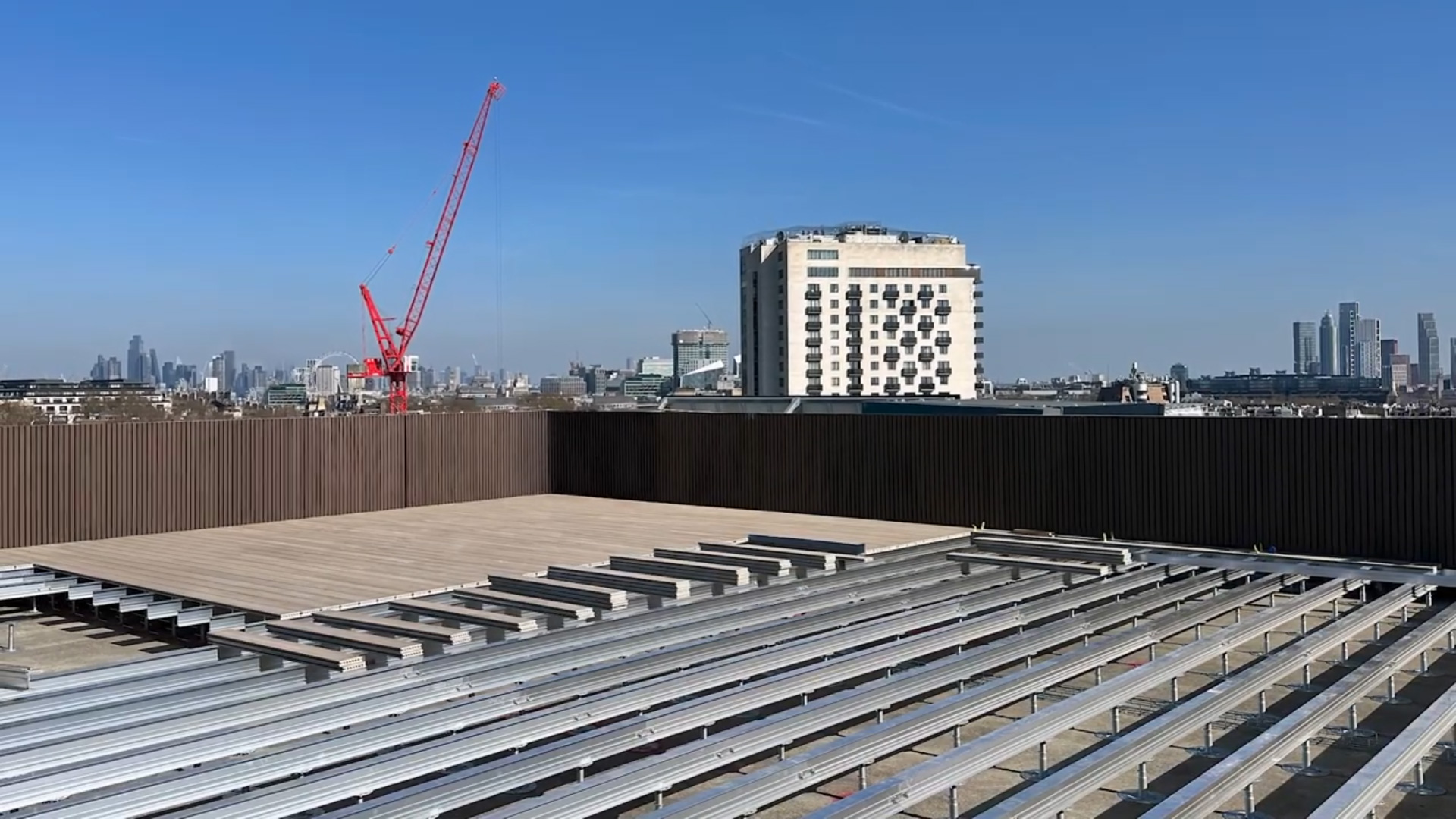
On a recent scheme, time was taken before installation to properly survey the roof area and check what was actually on site. Small discrepancies between earlier drawings and real conditions were picked up early. Layouts were adjusted, quantities refined, and decisions made with confidence before materials were ordered. That short pause at the start made a noticeable difference to how the project ran.
In construction, everyone knows the pressure to keep a job moving. Dates are tight, trades are stacked, and there is often a push to get materials ordered and start installing as soon as possible. Most people have been on jobs where the message is simple. Just get on with it.
But in our experience, the projects that run best are not the ones that move fastest on day one. They are the ones where people take a moment to stop, check, measure, and talk things through before work starts.
At Wallbarn, we value being involved in projects that are properly planned and delivered alongside partners who care about doing things right. These are the schemes where problems are not ignored or kicked down the road. They are spotted early and dealt with properly.
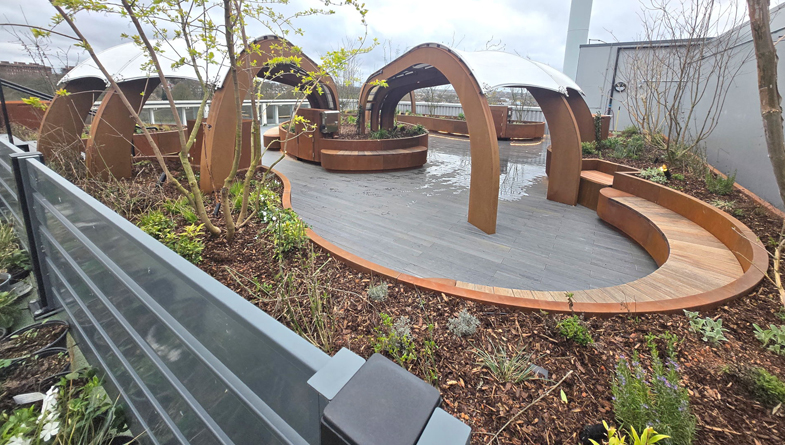
Drawings are a starting point, not a guarantee.
One of the most common issues we see on roof terraces, podium decks and balconies is relying too heavily on drawings without checking what is actually there. Drawings are essential, but anyone who has spent time on site knows they do not always tell the full story.
Levels change. Build ups vary. Tolerances stack up. Something that looks fine on paper can be very different once you put a tape measure on it.
If those differences are not picked up early, things can unravel quickly. Incorrect quantities get ordered. Heights do not work. Drainage falls cannot be corrected. Systems get forced into situations they were never designed for.
That is when costs rise, time gets lost, and frustration sets in.
Measure twice, cut once.
Taking the time to measure properly and review site conditions before installation is not slowing a project down. It is protecting it.
Stopping to think and communicate can feel difficult when a job is under pressure. But more often than not, it saves money rather than costs it. Early surveys, honest conversations, and coordinated layouts allow teams to iron out issues before materials are ordered and before anyone is working around a problem on site.
When layouts are checked against confirmed dimensions, quantities can be tightened up. The right systems can be specified. Heights can be set correctly. Loads can be accounted for properly. The job becomes simpler to install, not harder.
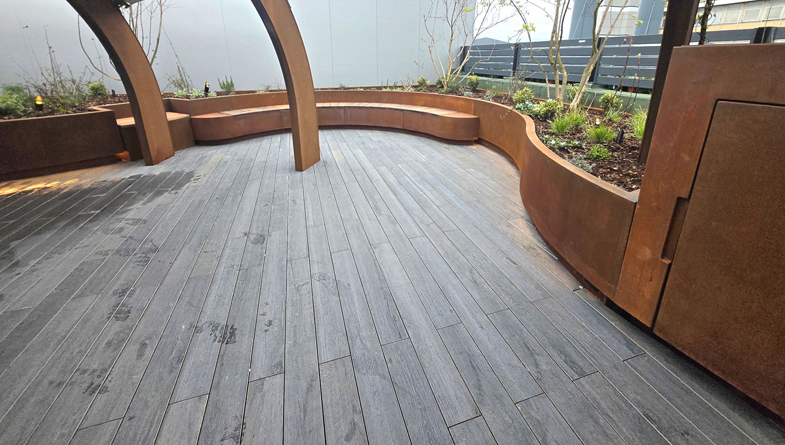
Better planning leads to better finishes.
Good planning does not mean a project will be problem free. Construction never is. But it changes how problems are handled.
Instead of firefighting, teams talk. Instead of rework, solutions are agreed. Instead of delays, there is confidence in what is being installed.
The result is usually the same. Less waste. Fewer delays. A cleaner finish. And a job that everyone involved is happier to stand behind.
At Wallbarn, we are always happy to be part of that planning stage. Not to take over, but to play our part. Working with contractors, architects and installers to help review build ups, check heights, and make sure systems are suited to the reality of the site.
Because when people stop, think and communicate early, the whole project benefits in the long run.