Next Day Delivery order before 2pm
  Order / Enquire Now
 Call 020 8916 2222
Refurbishment projects often push structural systems to their limits, especially when working with suspended environments and ageing infrastructure. At Meridian House, the challenge was not just to replace an outdated timber deck, but to engineer a robust, non-combustible solution capable of performing safely above an underground car park.
While many elements of the project required careful planning, it was the structural engineering of the podium deck that truly defined its success. You can explore the full project details here:
Meridian House Non-Combustible Decking Refurbishment
The Structural Problem: Wide Spans and Limited Support
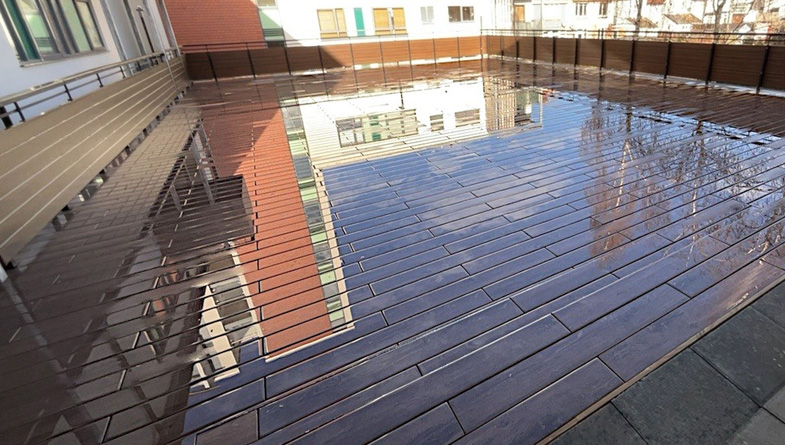
Unlike traditional decking installations, the podium area at Meridian House had no concrete slab to support a standard system. Instead, installers had to work with:
- Existing rolled steel joists
- Large unsupported spans between beams
- No continuous load-bearing surface
This created an immediate issue. Conventional decking systems, particularly those relying on pedestals, simply could not be used. Even more critically, the span distances exceeded the recommended limits for standard aluminium joists.
Without intervention, this would result in:
- Excessive deflection
- Reduced structural integrity
- Potential safety risks
A more advanced and engineered approach was clearly required.
Wallbarn’s Approach: Building from the Structure Up
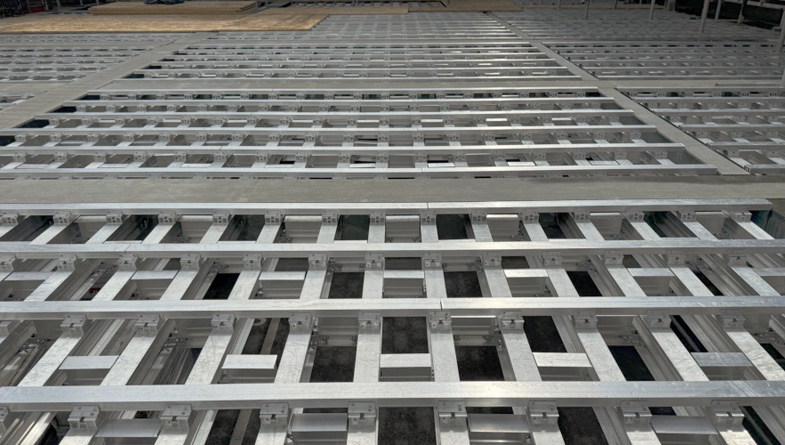
To address these constraints, Wallbarn proposed a solution that centred around securely anchoring the decking system directly to the existing steel framework.
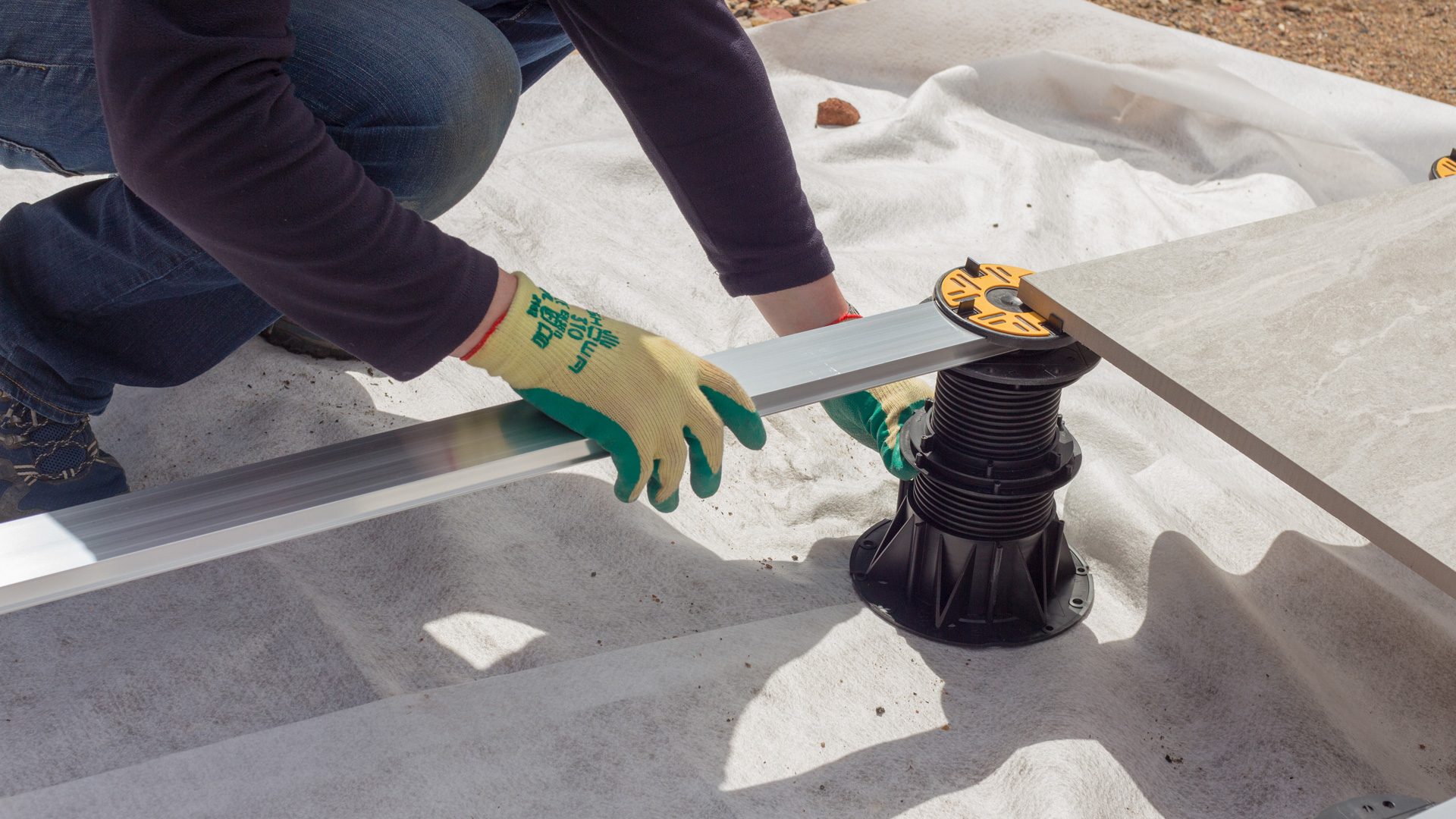
Using specialist components such as the Joist Hanger, the aluminium joists were mechanically fixed to the steel beams. This method created a stable structural base, even in the absence of a traditional substrate.
The advantages of this approach included:
- Secure load transfer directly to the structural steel
- Elimination of reliance on unsupported surfaces
- Flexibility in adapting to existing site conditions
This initial step laid the foundation for a much more sophisticated substructure system.
Reinforcing the Framework with I-Plus Technology
At the heart of the solution was the use of Wallbarn’s I-Plus Beam system. These aluminium rails are designed to provide strength, durability, and versatility in demanding environments.
However, due to the wide spans present at Meridian House, a single layer of I-Plus rails would not be sufficient on its own. The challenge was to enhance their performance without compromising on weight or fire safety.
Creating a Multi-Layered Structural Solution
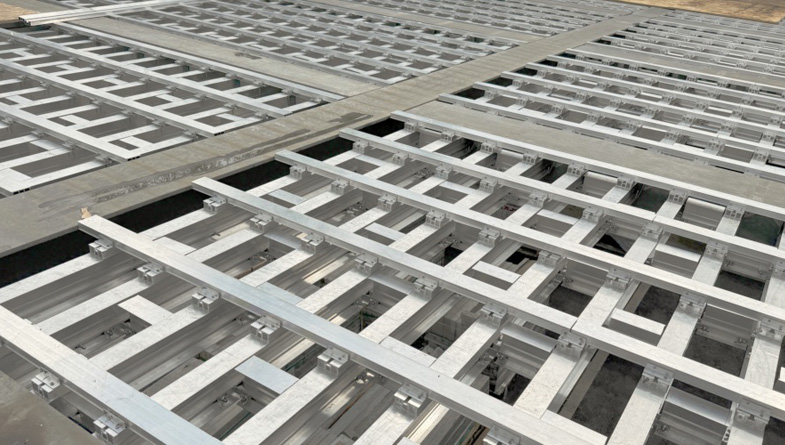
To overcome this, the project architect developed an innovative three-layer substructure design. This approach utilised a combination of Wallbarn systems to create a fully integrated framework.
The build-up included:
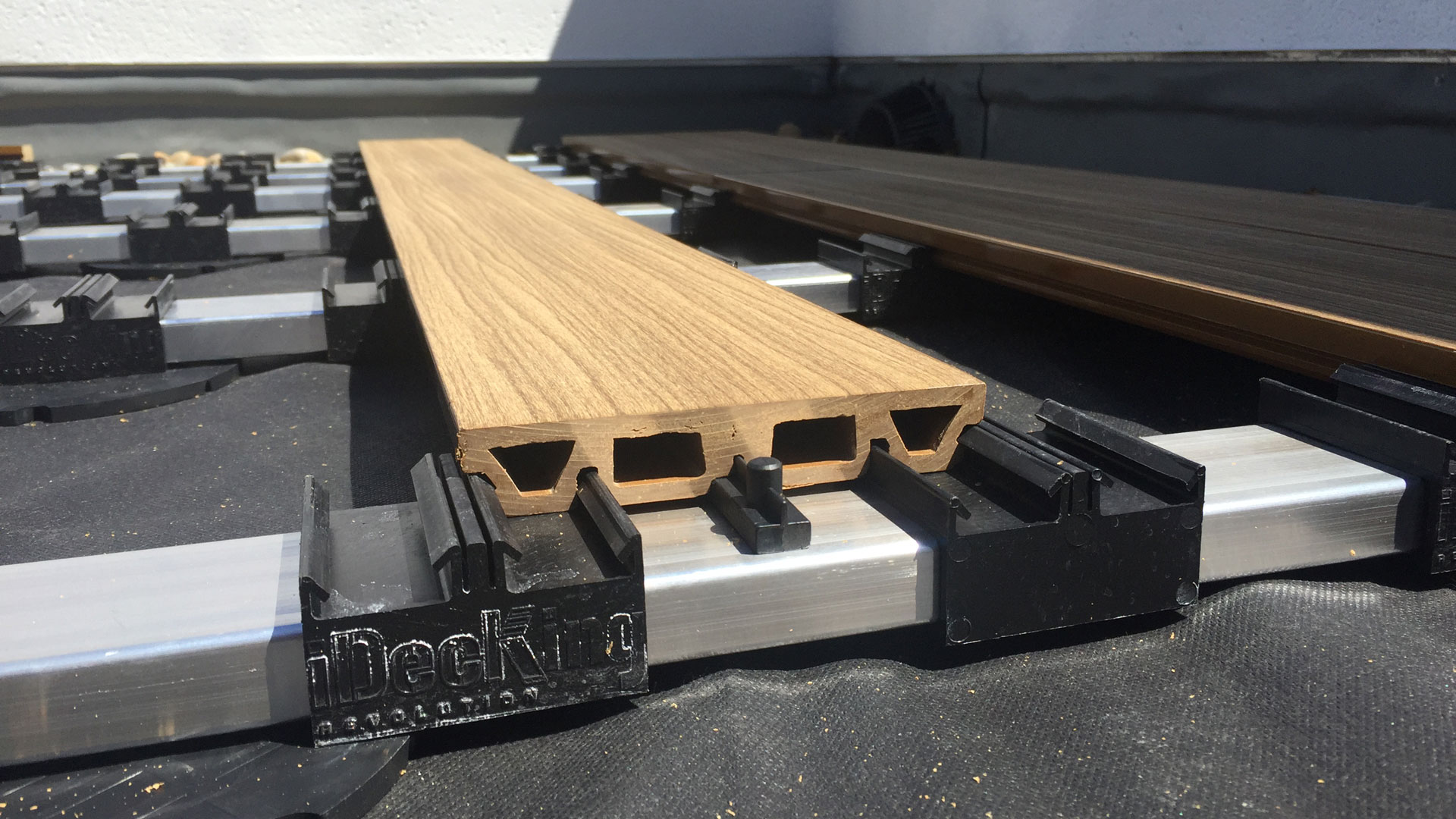
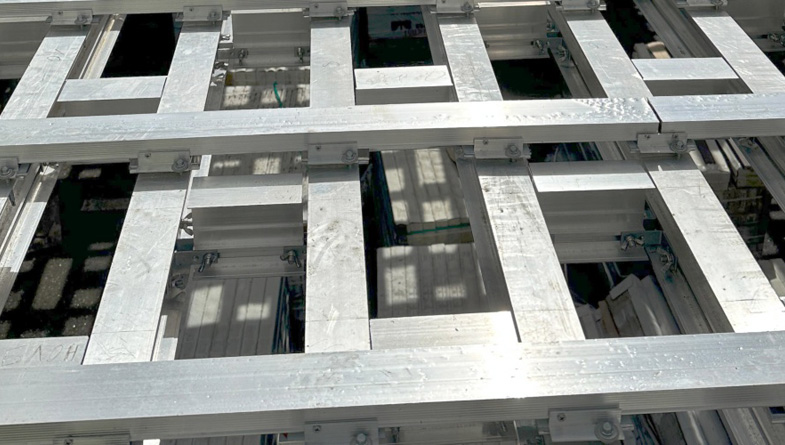
- A primary structural layer using I-Plus rails
- A secondary layer of Box Rail joists running perpendicular
- A third layer of Box Rails, further reinforcing the system
This configuration formed an interlocking grid that significantly improved load distribution. By spreading weight across multiple directions, the system reduced stress on individual components and increased overall rigidity.
Managing Deflection: A Critical Performance Factor
One of the key performance criteria for the project was controlling deflection. Excessive movement in decking systems can lead to:
- Structural instability
- Damage to surface materials
- Reduced user safety
The target was to maintain deflection within a strict 5 mm limit. Achieving this across wide spans required more than just design innovation—it demanded proven performance.
Independent Testing and Proven Results
To validate the proposed solution, Wallbarn commissioned independent load testing. These tests assessed how the I-Plus rails performed when used within a reinforced framework.
The results demonstrated that:
- The system could achieve significantly greater spans
- Performance improved by approximately 40% compared to single rails
- Deflection remained within acceptable limits
This testing provided critical reassurance that the system would perform reliably in real-world conditions, even in a challenging suspended environment.
Integration of Components for Maximum Stability
Beyond the main structural elements, the success of the system relied on the integration of multiple components working together seamlessly.
This included:
- Right-angle and straight connection brackets
- M8 Wing Nut Kits for secure fixing
- Noggins to lock the framework into position
- Additional support elements to prevent lateral movement
Each component played a vital role in ensuring the system functioned as a cohesive unit. The result was a rigid, stable framework capable of supporting both the decking surface and the loads applied during use.
A System Designed for Real-World Refurbishment
One of the key advantages of Wallbarn’s approach is its adaptability. Refurbishment projects rarely offer ideal conditions, and Meridian House was no exception.
By combining mechanical fixings, modular components, and flexible design options, the system was able to accommodate:
- Irregular structural layouts
- Varying span distances
- Limited access for installation
This adaptability is what sets engineered systems apart from standard solutions, particularly in complex refurbishment scenarios.
Supporting the Final Finish
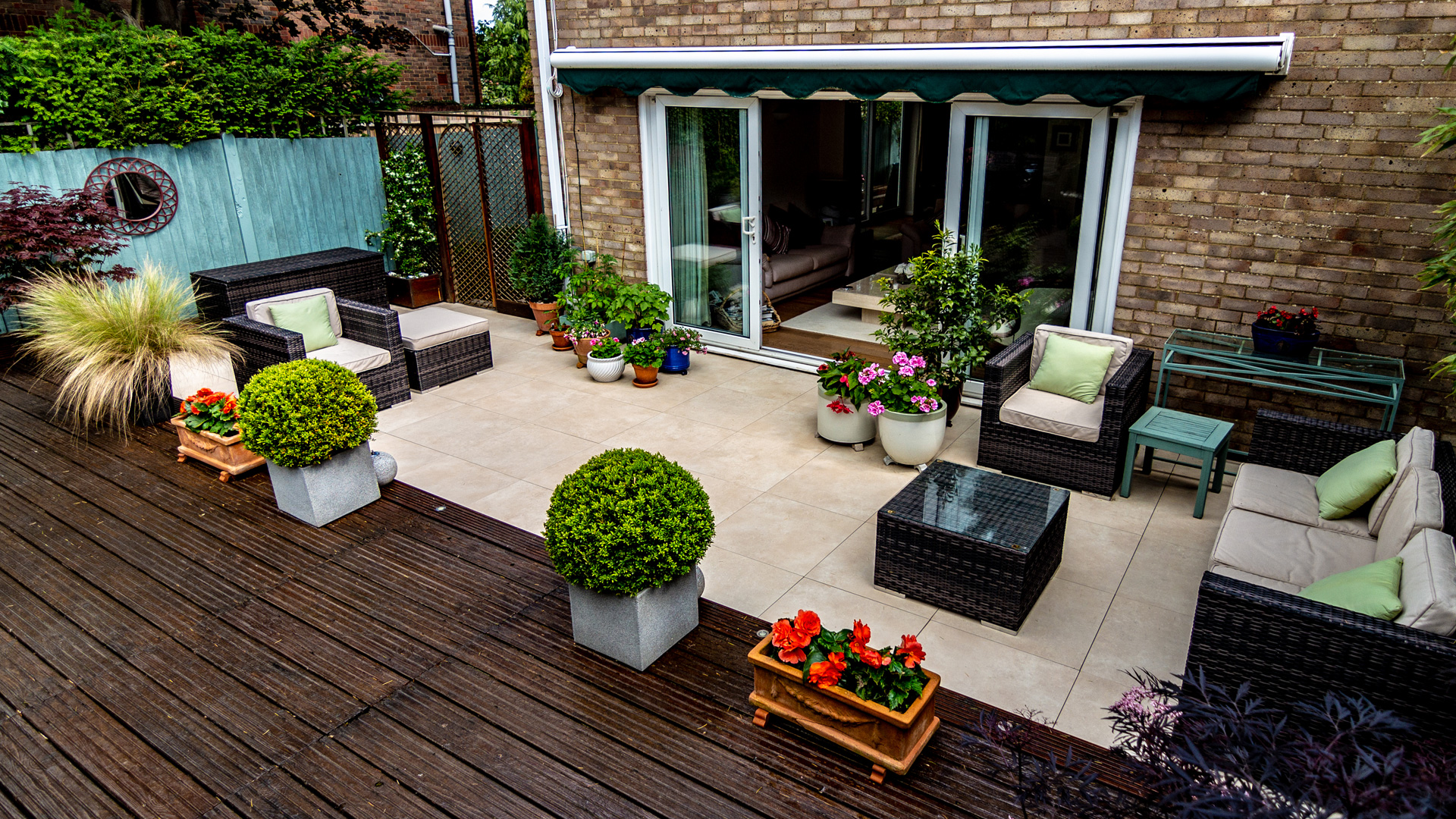
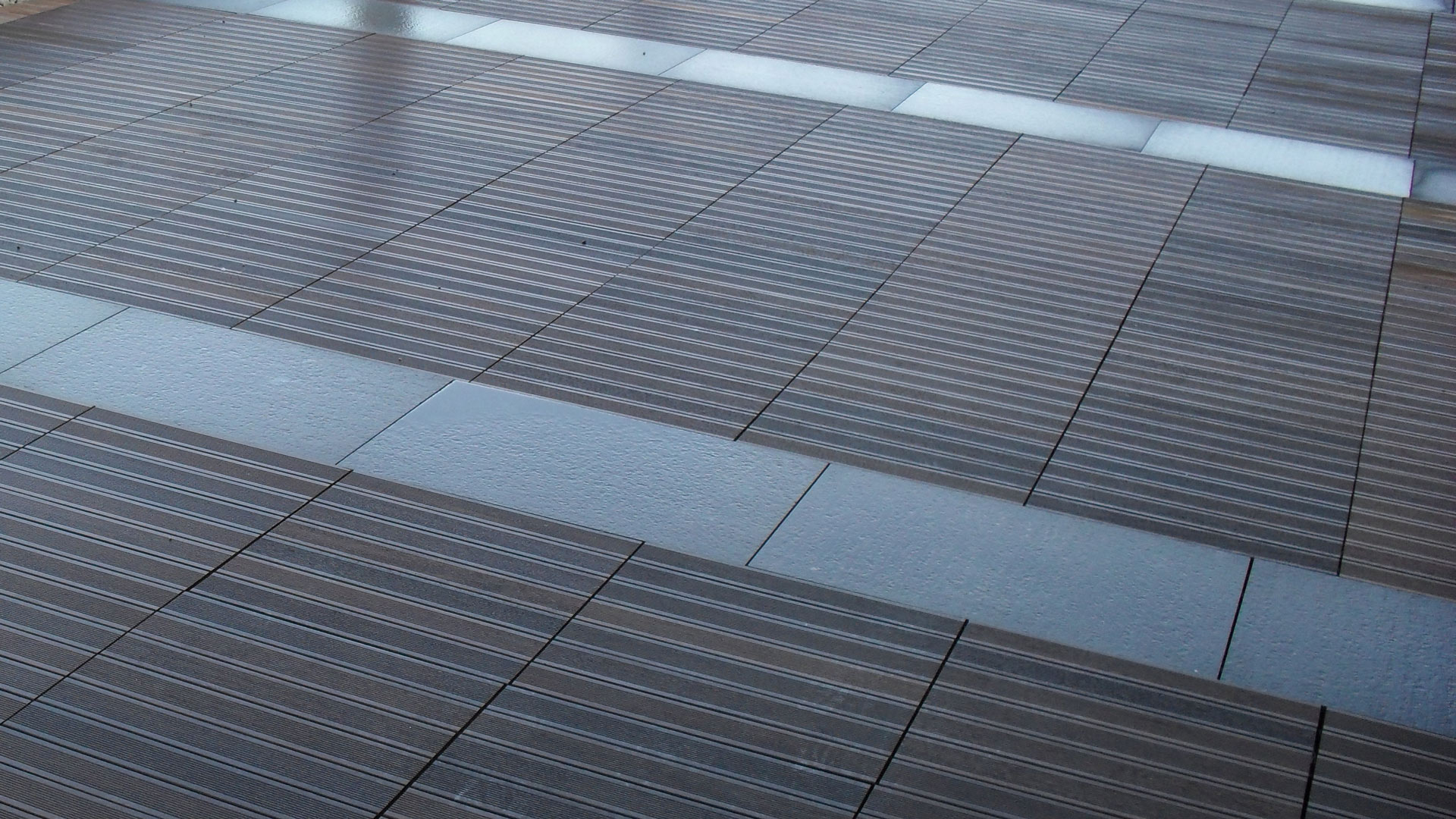
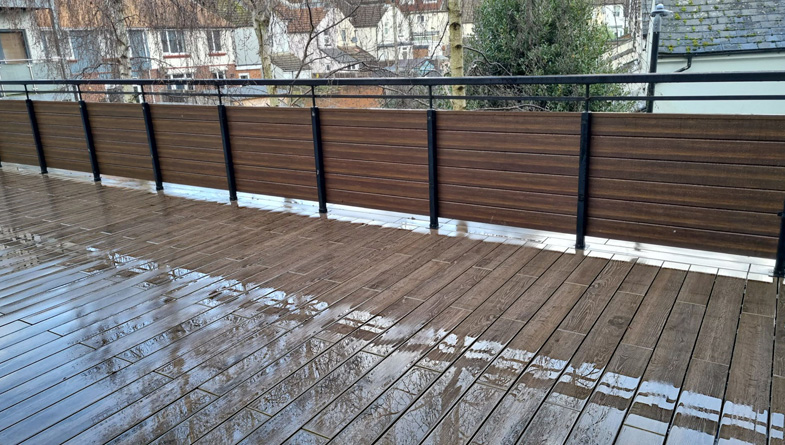
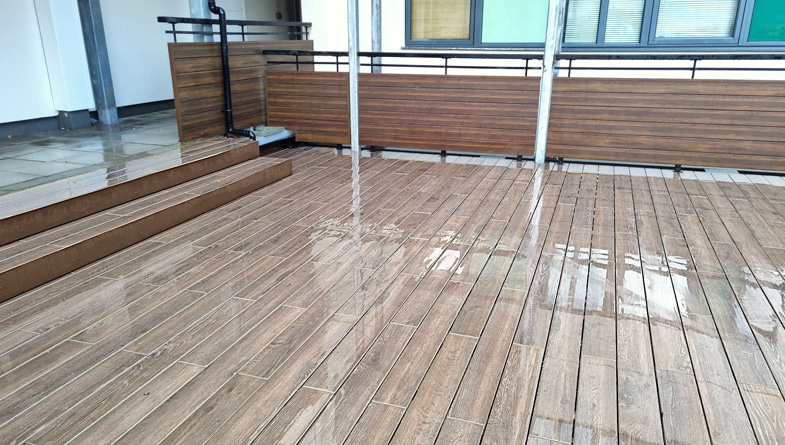
While the structural system was critical, it also needed to support a high-quality surface finish. The chosen solution was Porcelain Decking, which required a stable and level base to perform effectively.
The strength and precision of the substructure ensured that the porcelain boards could be installed with confidence, delivering both safety and visual appeal.
The End Result: Strength, Safety, and Longevity
The completed podium deck at Meridian House stands as a testament to the power of engineered solutions. By addressing the structural challenges head-on, Wallbarn was able to deliver a system that offers:
- Exceptional load-bearing capacity
- Controlled deflection across wide spans
- Full compliance with fire safety standards
- Long-term durability in a demanding environment
Most importantly, the system provides a safe and reliable outdoor space for residents, even in an area that initially posed significant structural limitations.
Conclusion
The Meridian House project highlights the importance of structural innovation in modern refurbishment work. When conventional methods fall short, it is the combination of expert design and advanced products that makes success possible.
Wallbarn’s substructure systems, including the I-Plus rails, Box Rails, and Joist Hangers, played a pivotal role in overcoming the challenges of suspended decking. By delivering strength, flexibility, and proven performance, they enabled the creation of a safe and compliant solution where others may have struggled.