Next Day Delivery order before 2pm
  Order / Enquire Now
 Call 020 8916 2222
Modern hospitals are designed to deliver the highest levels of clinical care, but increasingly there is recognition that recovery is not solely about medical treatment. The environment in which patients receive care can also have a significant impact on their wellbeing, particularly for those spending extended periods in intensive care units.
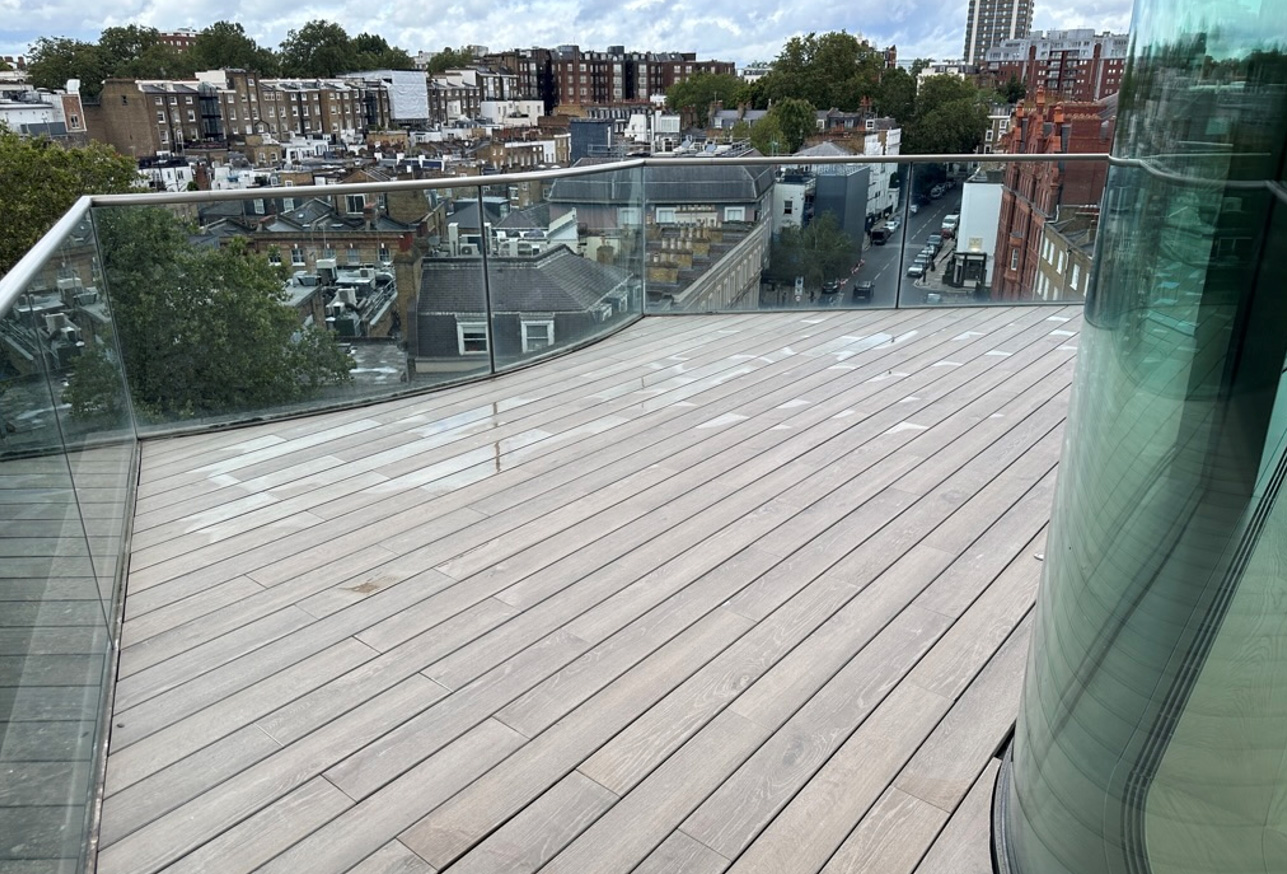
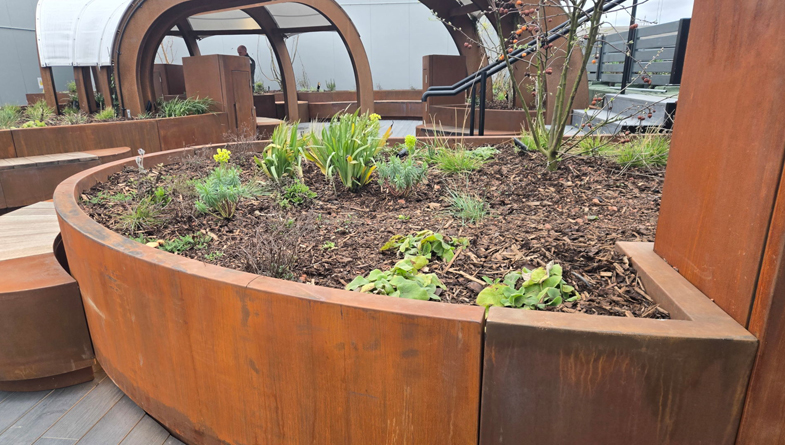
A pioneering project at King’s College Hospital in London is demonstrating how healthcare environments can evolve to support both physical and mental recovery. The hospital has developed a 170 square metre rooftop garden directly connected to its Critical Care Unit (CCU), allowing critically ill patients to experience fresh air, daylight, and nature while remaining connected to life-sustaining medical equipment.
This innovative outdoor space represents a major step forward in healthcare design and offers a glimpse into how hospitals of the future may integrate therapeutic environments into clinical settings.
Why Nature Matters in Healthcare
Over the past two decades, growing research has explored the impact of environmental factors on patient recovery. Studies have suggested that access to natural elements such as daylight, greenery, and fresh air can play a valuable role in supporting both mental and physical health.
For patients receiving intensive care, the clinical environment can be particularly challenging. Long periods spent indoors, limited exposure to natural light, and the psychological strain of critical illness can contribute to increased stress and anxiety.
Healthcare professionals have observed that access to outdoor environments can help patients feel more connected to the world beyond the hospital. Exposure to nature has been linked to benefits such as reduced stress levels, improved mood, and better overall wellbeing.
For critically ill patients, these benefits may be especially meaningful during long recovery periods.
The Vision Behind the Rooftop Garden
The idea for the rooftop garden originated from Dr Tom Best, Critical Care Clinical Director at King’s College Hospital. His vision was simple but powerful: to create a space where patients in critical care could experience the restorative effects of nature without leaving the safety of the hospital’s clinical environment.
Traditionally, patients receiving intensive care are confined to indoor wards due to the complexity of their treatment and the equipment required to support them. However, advances in medical technology now make it possible to safely move patients while maintaining continuous monitoring and life support.
By creating a purpose-built outdoor space connected directly to the CCU, the hospital has enabled patients to benefit from fresh air and natural surroundings while remaining under full medical supervision.
The rooftop garden is therefore more than just a landscaped space — it is an extension of the clinical environment designed to support holistic recovery.
Transforming an Unused Space into a Therapeutic Environment
Before the project began, the rooftop area above the CCU had remained unused for many years. Like many hospital buildings, the structure had been designed primarily for functional purposes rather than patient experience.
However, the project team recognised the potential to transform this unused roof into a valuable outdoor environment.
The redevelopment required careful collaboration between specialists across multiple disciplines. The project was led by Malcolm Hankey of Bluelight Management, with architectural design provided by BMJ Architects and landscape design developed by Professor Nigel Dunnett, a leading expert in planting design.
Engineering and technical consultancy support was provided by WSP and Ross & Partners Ltd, ensuring the project could meet strict structural and safety requirements.
Importantly, the entire project was funded through charitable donations, reflecting the strong support for initiatives that improve patient wellbeing.
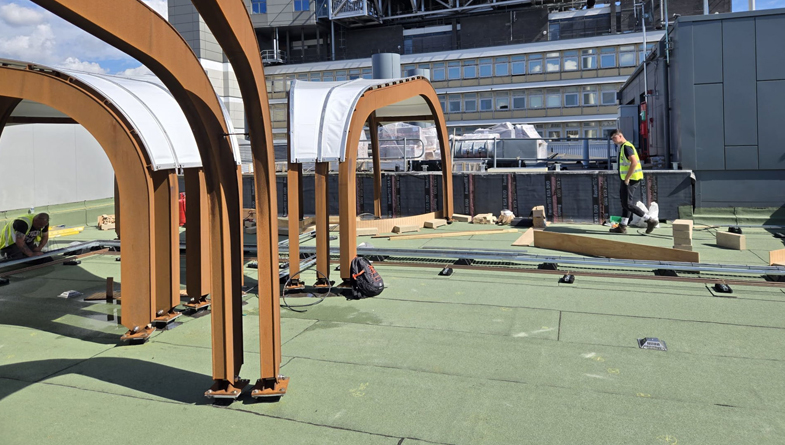
Designing a Safe Outdoor Space for Critical Care
Creating an outdoor space for critically ill patients required careful attention to safety and regulatory compliance.
The rooftop garden had to meet strict building regulations while ensuring patients could be safely transported into the outdoor environment with their medical equipment.
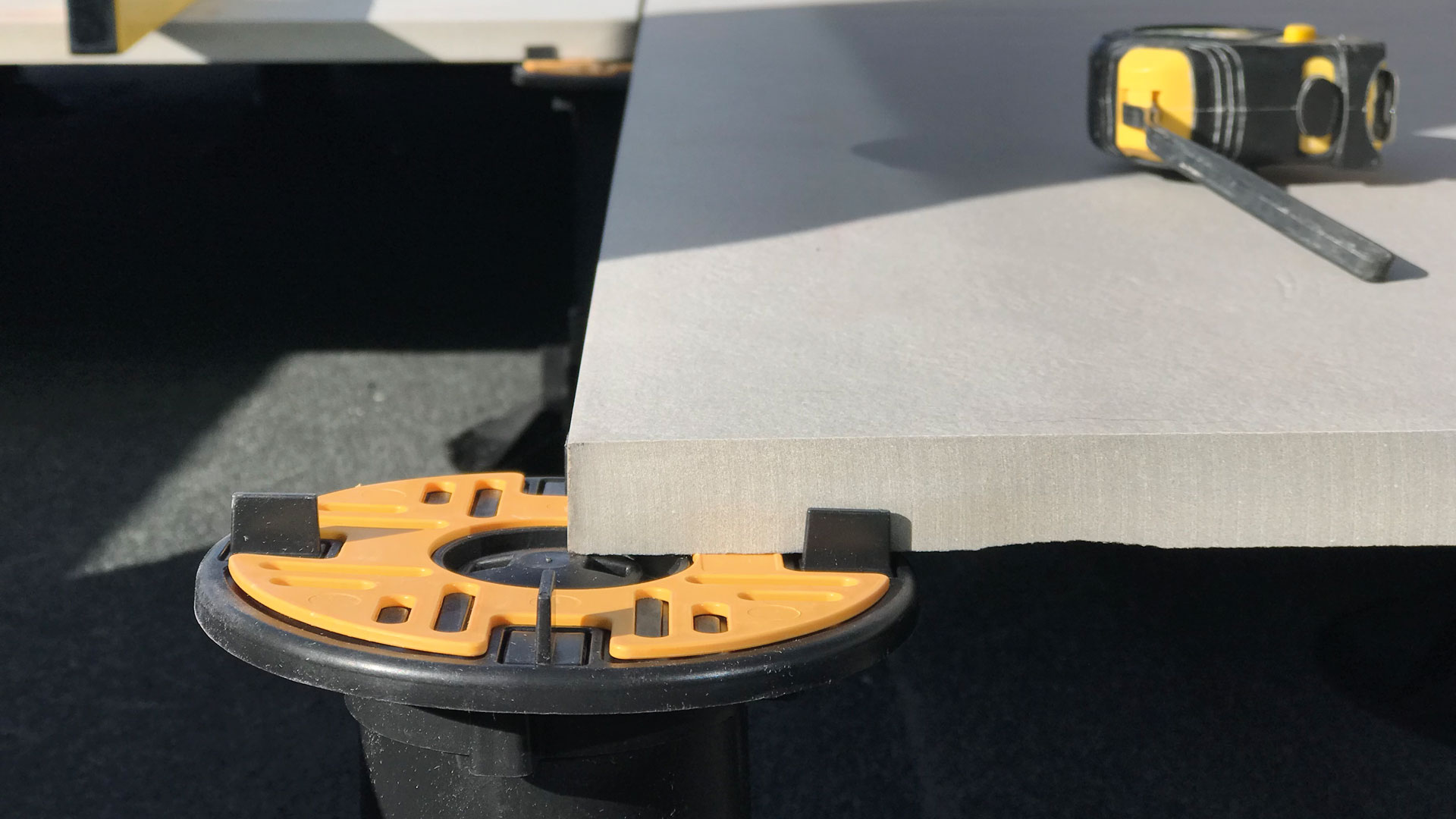
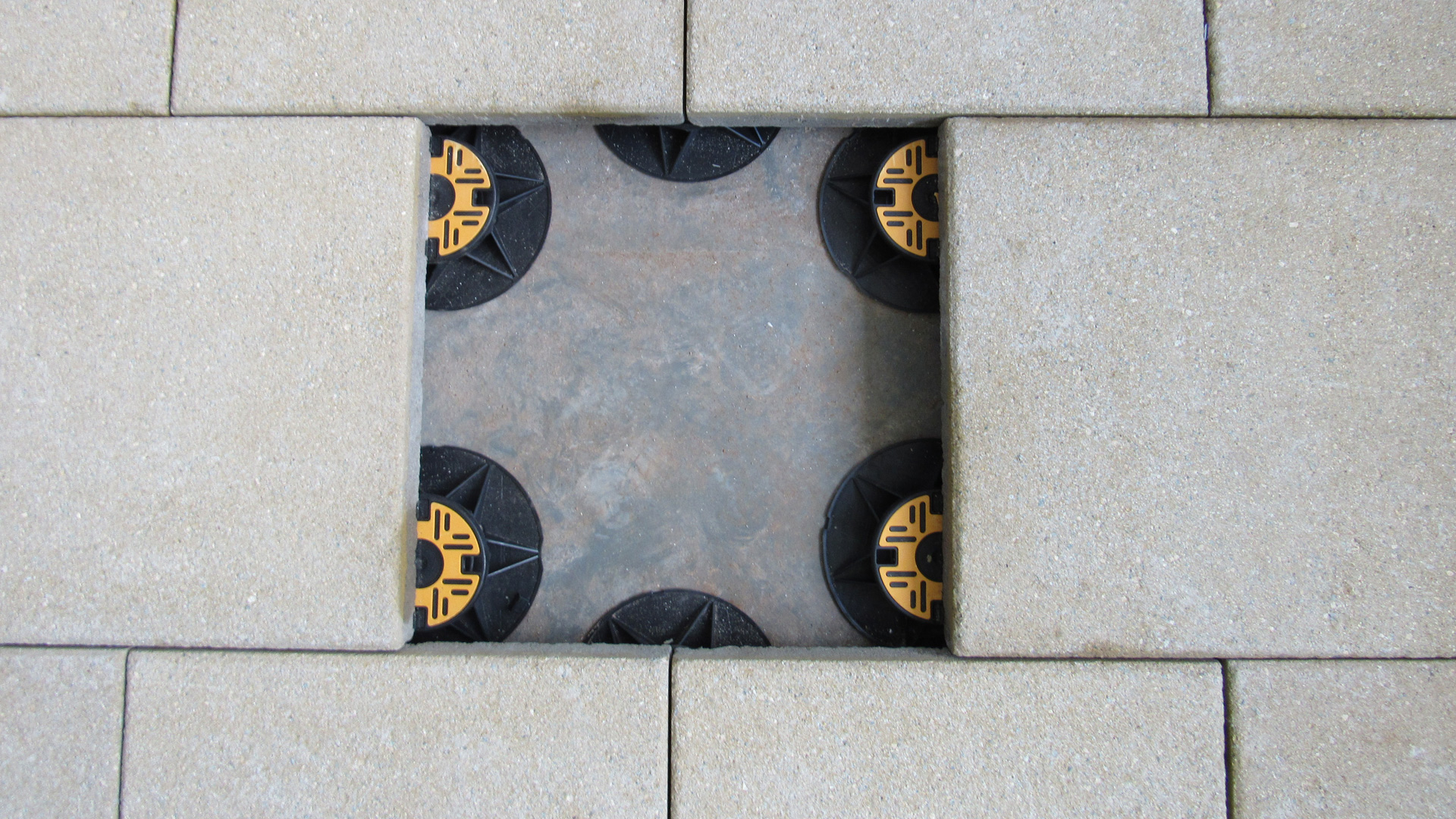
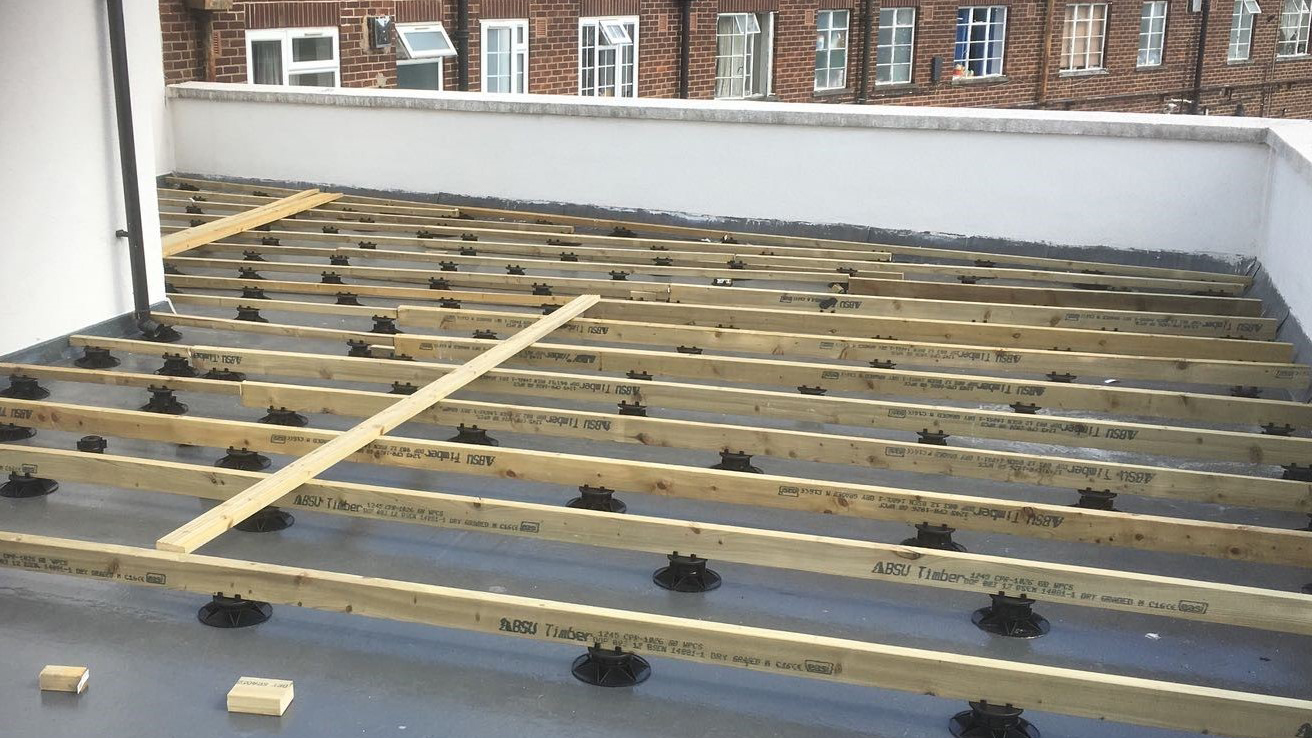
The design incorporated a fully fire-rated decking system supported by specialist pedestals and structural components capable of meeting the highest safety standards. Systems such as a Class A1 rail substructure system play a vital role in delivering the structural integrity and fire performance required for sensitive healthcare environments.
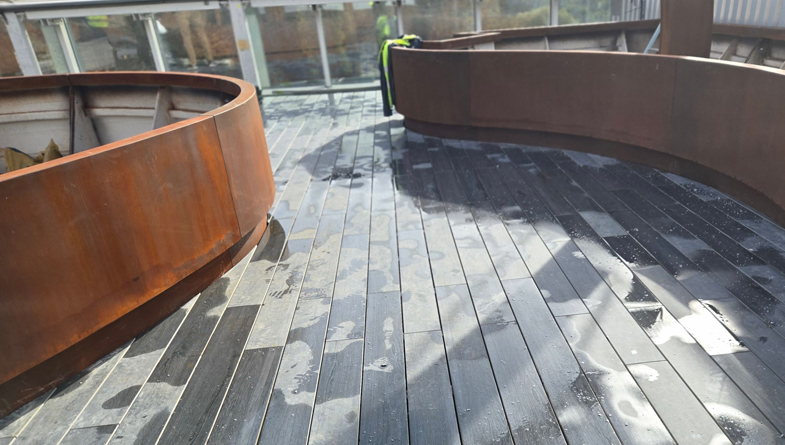
To complement this, the use of non-combustible porcelain decking ensures the finished surface meets stringent fire safety requirements while maintaining a high-quality aesthetic suitable for therapeutic outdoor spaces.
At the same time, the layout was carefully designed to create a calm and welcoming environment where patients, families, and staff could spend time outdoors.
The result is a space that balances clinical functionality with the restorative qualities of a natural environment.
Supporting Patients, Families and Healthcare Staff
While the primary goal of the rooftop garden is to support patient recovery, the benefits extend beyond the patients themselves.
Families visiting loved ones in intensive care often experience significant emotional stress. Having access to a quiet outdoor environment can provide a valuable moment of calm during difficult times.
Healthcare staff can also benefit from access to restorative environments within hospital settings. Working in critical care units can be demanding, and opportunities to step into natural surroundings, even briefly, can support staff wellbeing.
In this way, the rooftop garden provides value to the entire healthcare community within the hospital.
A Model for Future NHS Hospitals
The success of the rooftop CCU garden raises important questions about how hospitals might be designed in the future.
Across the NHS, many hospital buildings include unused rooftop spaces that could potentially be transformed into therapeutic environments. With the right planning, expertise, and materials, these areas could become valuable extensions of clinical spaces.
As healthcare design continues to evolve, integrating nature into hospital environments is likely to become increasingly important. Real-world examples, such as this rooftop CCU space for King’s College Hospital case study, highlight how specialist systems and collaborative design can successfully bring these concepts to life.
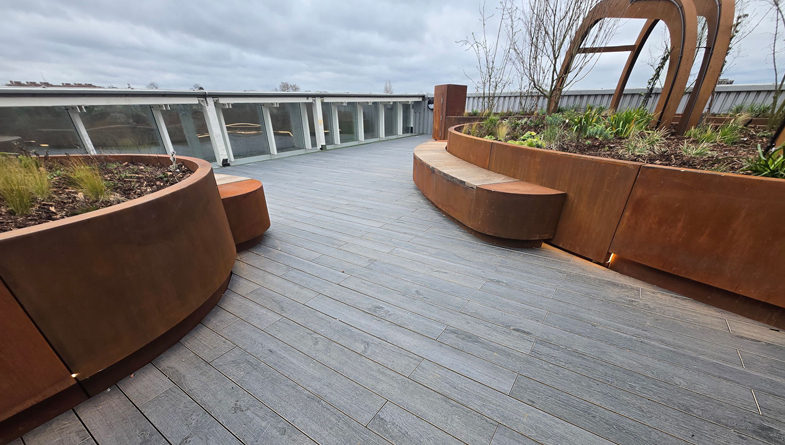
A Powerful Example of Human-Centred Healthcare Design
The rooftop Critical Care garden at King’s College Hospital represents more than an architectural achievement. It reflects a broader shift in healthcare thinking — one that recognises the importance of caring for the whole person, not just the illness.
By enabling critically ill patients to experience fresh air, natural light, and greenery, the project introduces a new dimension to intensive care treatment.
The ambition is that this model could inspire similar initiatives across hospitals in the UK and beyond.
If replicated more widely, projects like this could transform how healthcare environments are designed, ensuring that even the most complex clinical settings include spaces that promote healing, comfort, and human connection.