Next Day Delivery order before 2pm
  Order / Enquire Now
 Call 020 8916 2222
Designing outdoor spaces for modern commercial or multi-occupancy buildings comes with a clear set of challenges — and one of the most important is fire safety. Since the revision of Approved Document B of the Building Regulations, the use of combustible materials on external walls and balconies above 18 metres has been strictly prohibited.
For architects, developers and contractors, this means every component — including the decking system — must meet the highest standards of fire performance. Understanding how to specify Class A fire-rated decking correctly ensures compliance, durability and peace of mind for everyone involved.
At Wallbarn, we’ve developed a complete range of non-combustible decking systems, including porcelain, cement-fibre and aluminium decking, each engineered to exceed safety standards while providing design flexibility and aesthetic appeal.
Understanding Class A Fire Ratings
Fire classifications under EN 13501-1 determine how materials perform in fire conditions.
-
Class A1: Fully non-combustible — will not contribute to fire at any stage.
-
Class A2-s1,d0: Limited combustibility — minimal smoke and no flaming droplets.
Both A1 and A2 materials meet the threshold for non-combustibility required on external walls, façades and balconies. Choosing products independently tested to these standards is essential to achieving compliance.
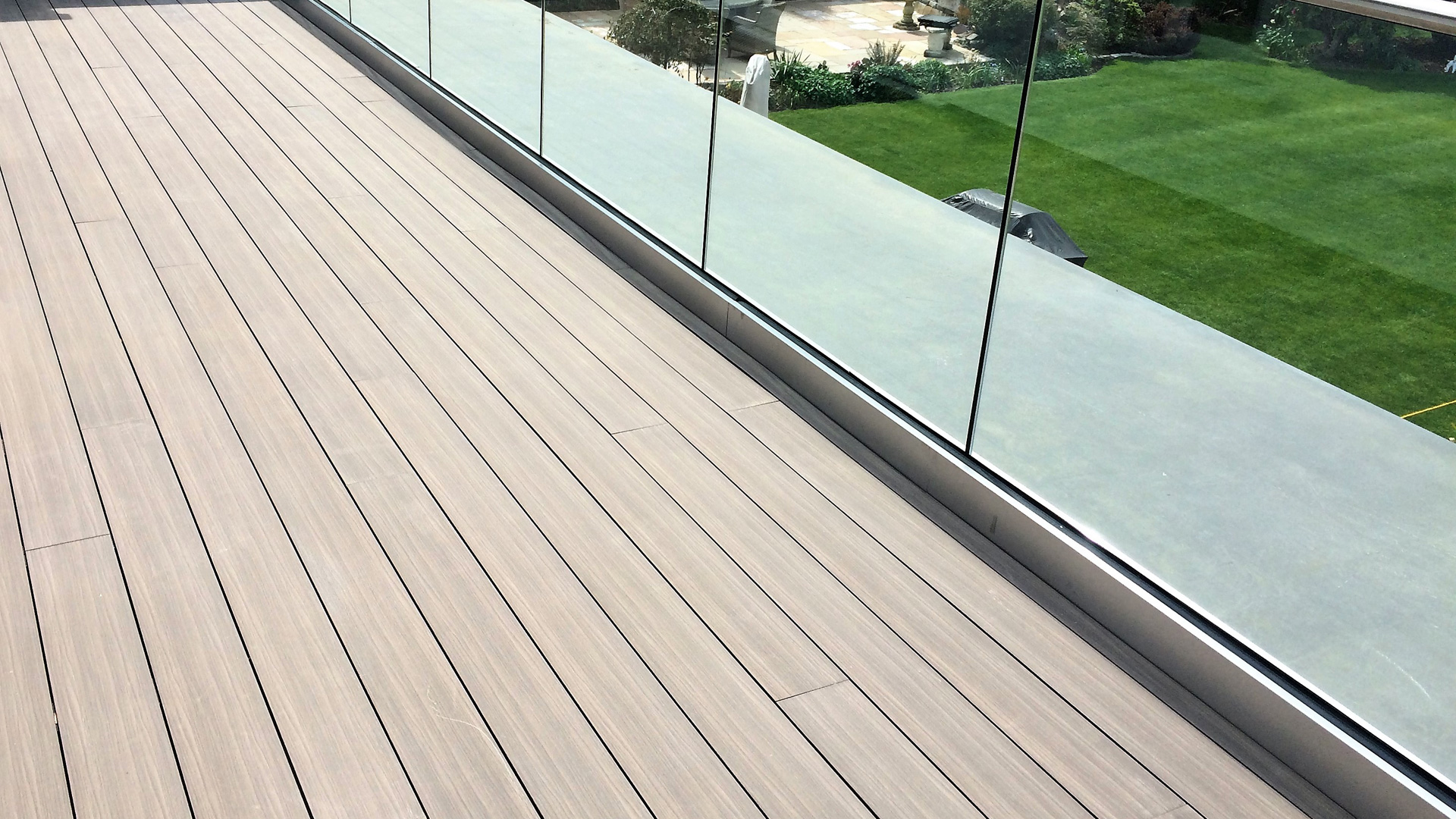
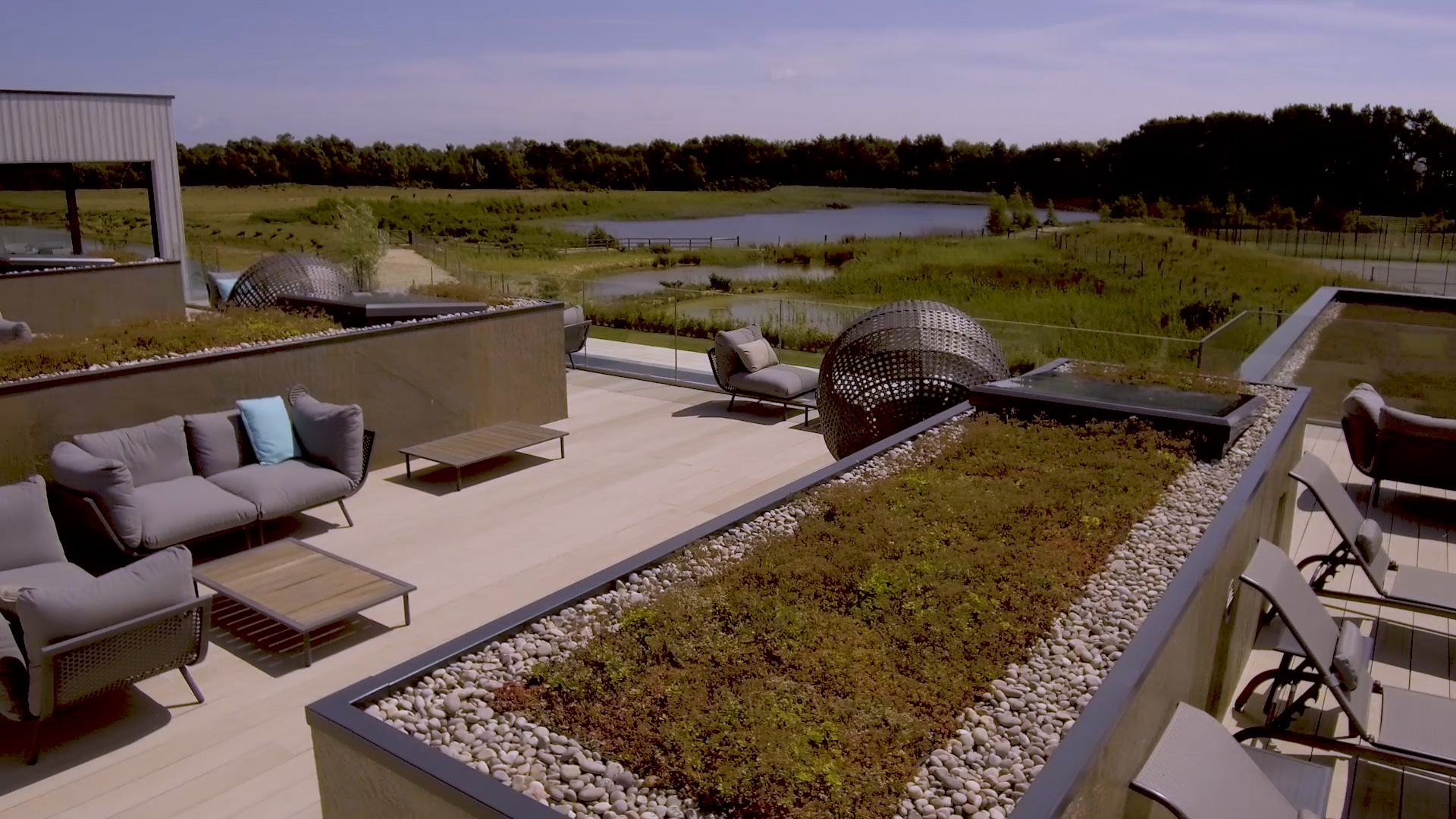
Wallbarn’s Porcelain Decking, C-Deck Cement-Fibre Decking and Non-Combustible Aluminium Decking all meet Class A requirements, making them ideal for commercial balconies and rooftop spaces.
Why Fire Classification Matters
Specifying non-combustible decking is not just a box-ticking exercise — it’s a matter of safety, liability and long-term protection. Using incorrect materials can lead to:
-
Regulatory failure, causing costly redesigns or project delays
-
Insurance complications for both developers and property owners
-
Increased risk to occupants and potential building damage in the event of a fire
By ensuring all materials achieve Class A1 or A2 certification, specifiers can demonstrate due diligence and future-proof their projects against evolving legislation.
The Components of a Compliant Decking System
A Class A fire-rated balcony system involves more than just the surface boards. The entire build-up — from decking to substructure — must be non-combustible.
-
Surface Material – The visible decking boards or tiles should achieve Class A1 or A2-s1,d0.
-
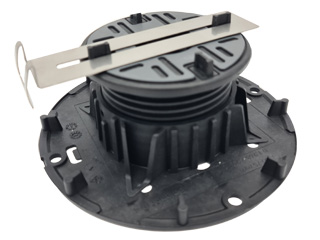
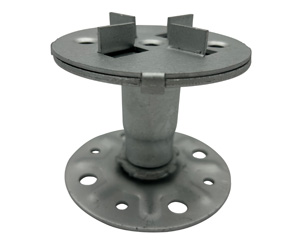
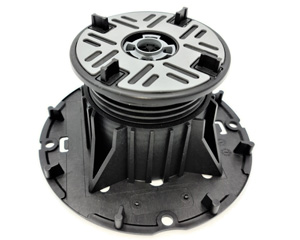
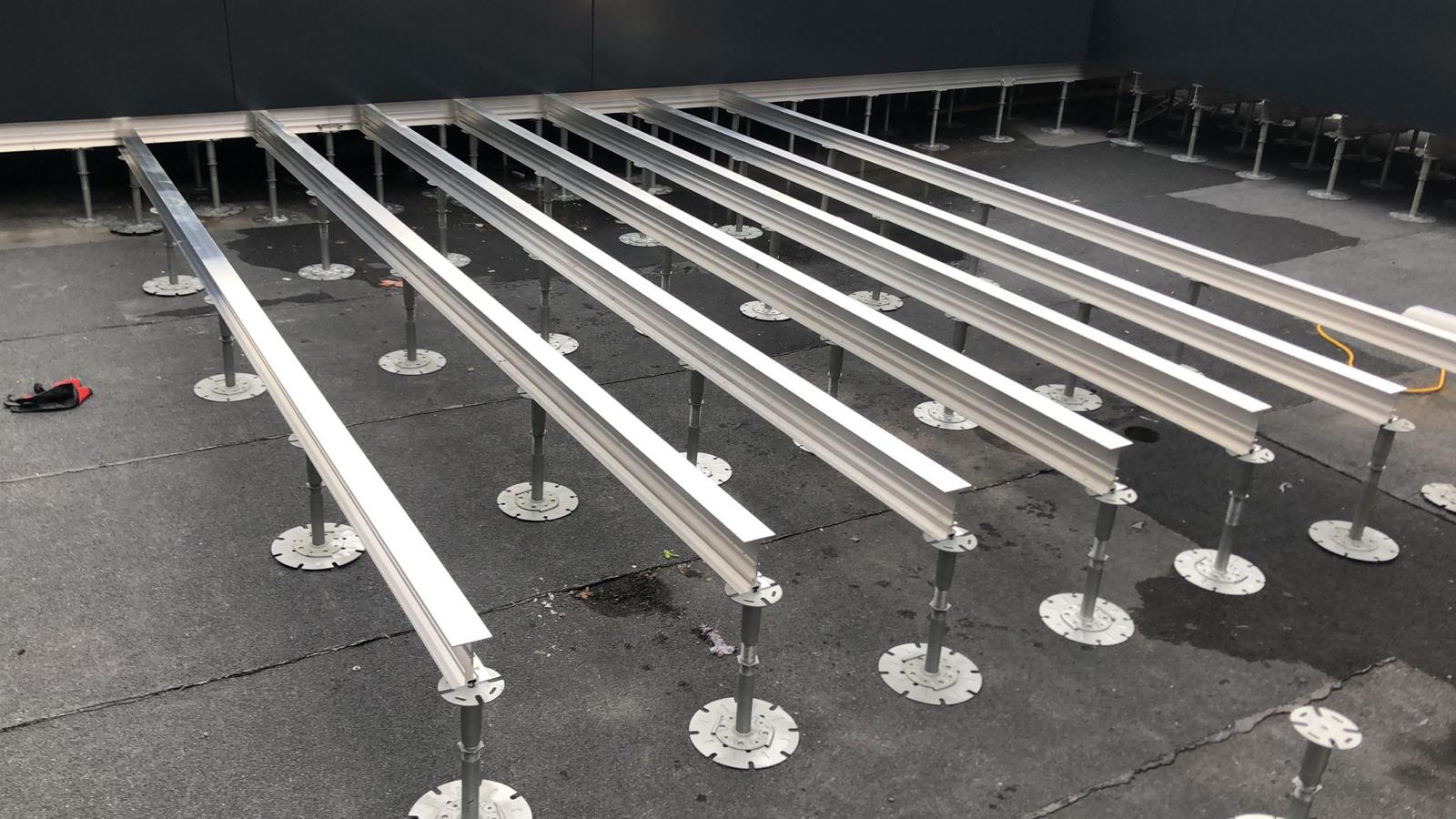
Substructure – The joists, pedestals and supports must also be fire-rated, such as Wallbarn’s MetalPad EX or A-Pad systems.
-
Fixings and Accessories – Ensure all connectors, trims and clips are metal rather than plastic or polymer.
Choosing a complete system from a single manufacturer simplifies certification and ensures consistent testing data — a key advantage of Wallbarn’s integrated solutions.
Choosing the Right Material for the Project
Each non-combustible material offers its own benefits:
Porcelain Decking
Elegant and durable, porcelain is ideal for premium terraces or high-end commercial spaces. It provides a Class A1 fire rating, is resistant to frost, UV rays and staining, and requires virtually no maintenance.
C-Deck Cement-Fibre Decking
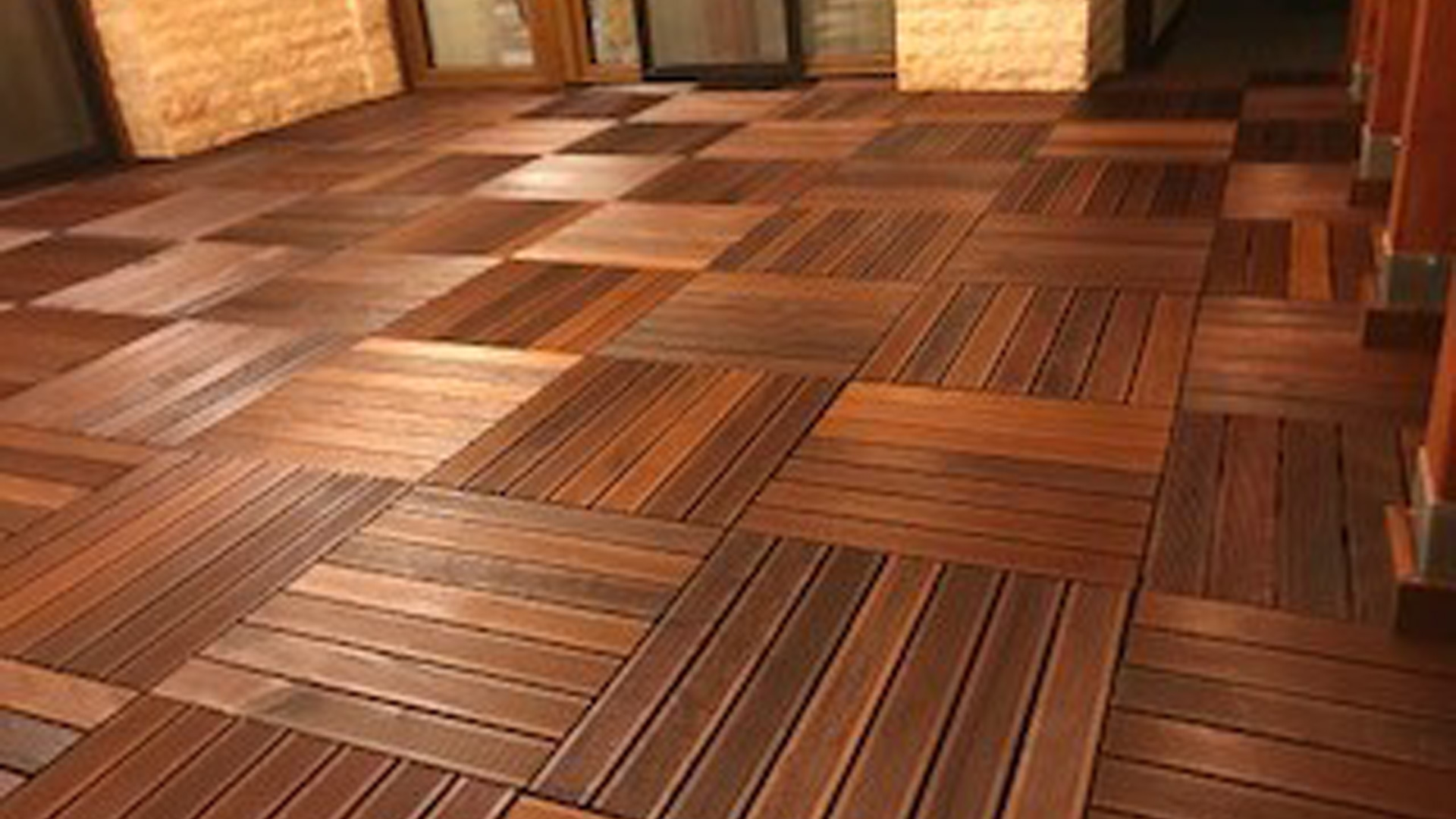
Cement-fibre boards offer the warm look of timber while maintaining full compliance with Class A2 standards. Perfect for architects seeking a natural aesthetic without compromising safety or longevity.
Aluminium Decking
Lightweight yet extremely strong, aluminium decking delivers Class A1 performance, exceptional weather resistance and a modern architectural appearance. It’s particularly suited to high-rise balconies and exposed rooftop environments.
Key Considerations When Specifying
To ensure your specification meets all compliance and performance requirements, consider the following:
-
Fire Certification – Always request third-party test reports and declarations of performance (DoP).
-
Load Capacity – Verify the structural strength of both decking and substructure, especially for communal areas.
-
Slip Resistance – Choose surfaces tested for slip resistance in both wet and dry conditions.
-
Drainage and Maintenance Access – Systems like Wallbarn’s pedestal supports provide efficient water run-off and easy membrane access.
-
Aesthetic Requirements – Select finishes that align with the overall architectural vision without compromising on safety.
Taking these elements into account ensures that your decking specification not only meets legal requirements but also supports the building’s functionality and design intent.
Sustainability and Environmental Responsibility
With environmental considerations now central to procurement decisions, choosing sustainable materials is equally important.
All Wallbarn decking systems are long-lasting and recyclable, reducing the need for frequent replacement and waste. Porcelain and cement-fibre contain no plastics or volatile compounds, while aluminium is 100% recyclable with minimal energy loss.
By specifying products designed for longevity and low environmental impact, developers can enhance their BREEAM and ESG ratings, supporting broader sustainability goals.
Benefits of a System-Based Approach
One of the greatest challenges specifiers face is ensuring that every component of the build-up is compatible. Wallbarn’s system-based approach removes this uncertainty.
Our Class A decking boards, pedestals, and substructures are designed to work together — tested, certified, and proven in real-world applications. This guarantees:
-
Full compliance across all system elements
-
Faster installation with modular components
-
Streamlined procurement through a single supplier
-
Technical support from experienced specialists
This integrated method not only simplifies the design process but also ensures reliability on-site.
Supporting Compliance with Wallbarn
At Wallbarn, we’ve spent more than 25 years pioneering safe, innovative and compliant decking systems. We provide:
-
Independent fire test data for all Class A materials
-
Comprehensive technical documentation and installation guides
-
Expert consultation for specifiers and project managers
-
UK-based stock for efficient delivery schedules
Our products are trusted on projects nationwide — from high-rise residential towers to commercial podiums and rooftop terraces — where safety, quality and aesthetics must align seamlessly.
Final Thoughts
As the industry continues to evolve, Class A fire-rated decking has become a critical element of compliant building design. Understanding how to specify these systems correctly can save time, reduce risk and ensure total project confidence.
Whether you’re designing an office rooftop, a residential balcony, or a mixed-use podium deck, Wallbarn’s non-combustible porcelain, cement-fibre and aluminium decking systems provide the assurance of tested safety, outstanding durability and refined architectural style.
For expert guidance or to request specification data, contact Wallbarn today or explore the complete Non-Combustible Decking Range.