Next Day Delivery order before 2pm
  Order / Enquire Now
 Call 020 8916 2222
London’s lack of preparedness for extreme heat could see more than £200million lost in productivity annually by 2030, new research has suggested.
The capital’s decision to deprioritise the installation of air conditioning (AC) in both commercial and residential buildings means it is particularly vulnerable as temperatures continue to rise. Researchers from Climate X, a risk analytics firm, have now said that upgrading high-priority buildings around London could carry a £440million price tag.
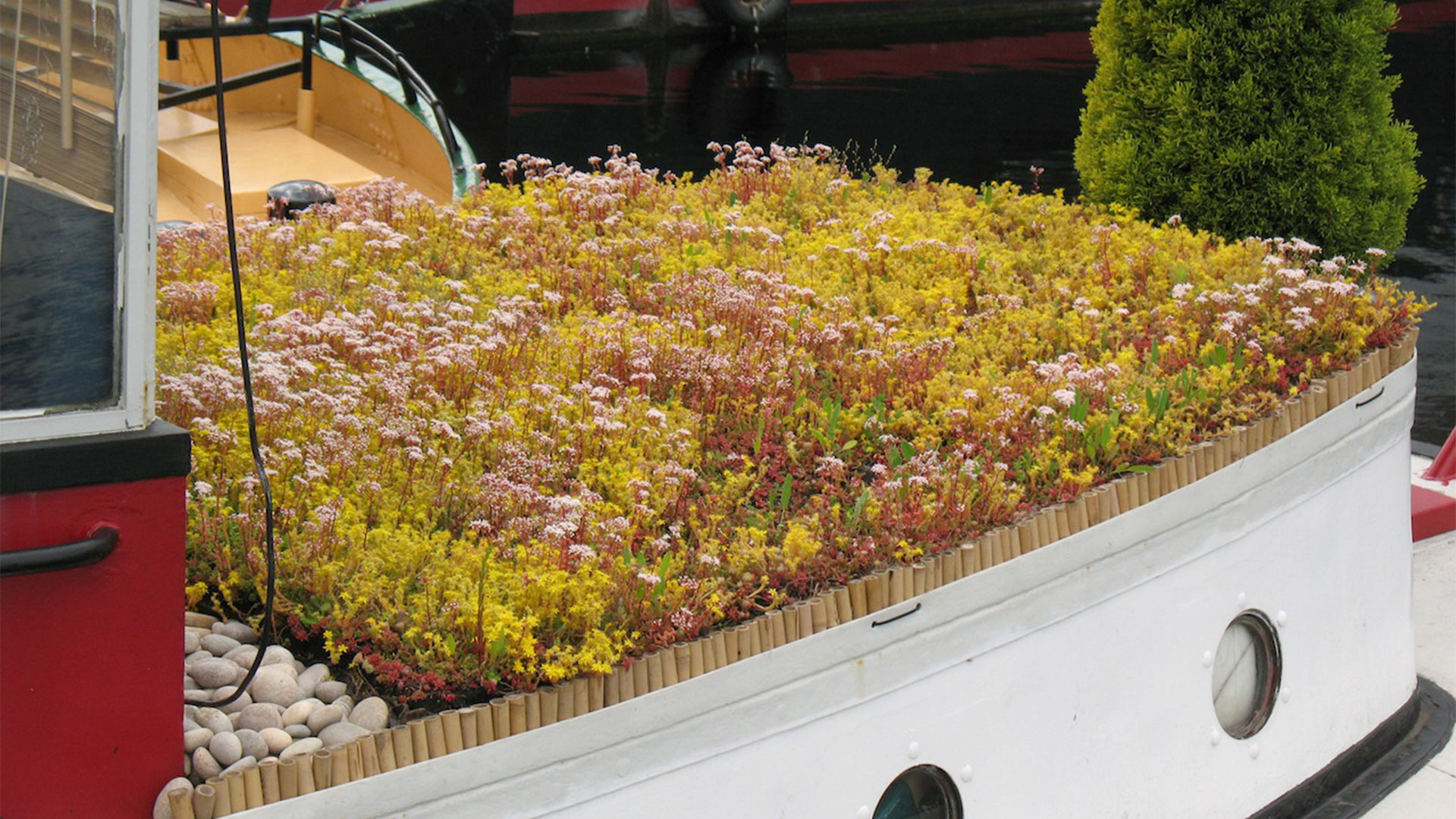
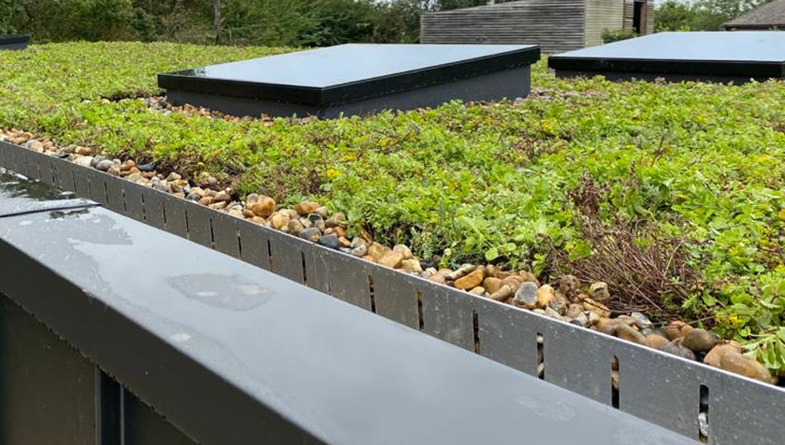
Currently, the London Plan encourages new developments to adopt “passive” cooling measures – such as trees, green roofs and shading – rather than “active” measures, such as AC. Across the country, just five per cent of buildings currently have AC installed.
But London’s increasing density of buildings and roads have caused an “urban heat island”, meaning it is hotter than surrounding towns and countryside.
We use your sign-up to provide content in ways you’ve consented to and improve our understanding of you. This may include adverts from us and third parties based on our knowledge of you. More info
This overheating risk, which has already caused hundreds of heat-related excess deaths in London, has prompted City Hall to draft a Heat Risk Delivery Plan to safeguard the capital in future.
Failing to do so quickly, however, will put strain on London’s economy as commuters, outdoor workers, office staff and those who keep the city moving need liveable conditions, according to Lukky Ahmed, CEO of Climate X.
He told the LDRS: “This isn’t just a future risk. This is today. There is currently not the urgency that is needed. This problem has been flagged in red every single year – something has to give.
“We have a combination of the Urban Heat Island effect with the fact that temperature control and cooling measures are not common within properties in the UK as a whole – developers have only just started to factor that in.
“If you look at all of these things, we get the unfortunate reality that people are losing their lives as a result of heat in London. In addition, we have second order effects like lost productivity – commuters choosing to stay home as opposed to going into the city and spending on local businesses.
To read the full article, please click here.
To visit the dedicated area on our website relating to all things, green roof, please click here.
To contact us with any questions, please use the details below.