Next Day Delivery order before 2pm
  Order / Enquire Now
 Call 020 8916 2222
As concerns about pollinator decline continue to grow across the UK, innovative solutions are emerging to support bees, butterflies, and other beneficial insects within urban environments. One of the most creative and impactful developments in this space is the M-Tray Bee Bus Stop system.
Designed specifically for installation on bus shelters and similar structures, these systems integrate green roof technology into everyday infrastructure, transforming ordinary transport hubs into valuable habitats for pollinators.
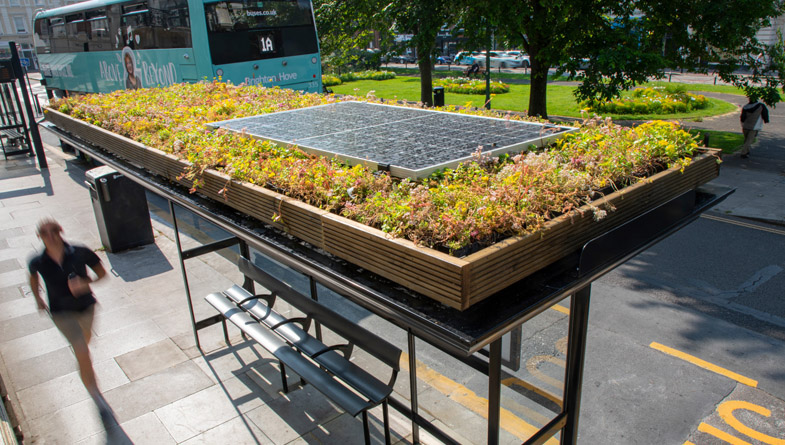
What Are M-Tray Bee Bus Stops?
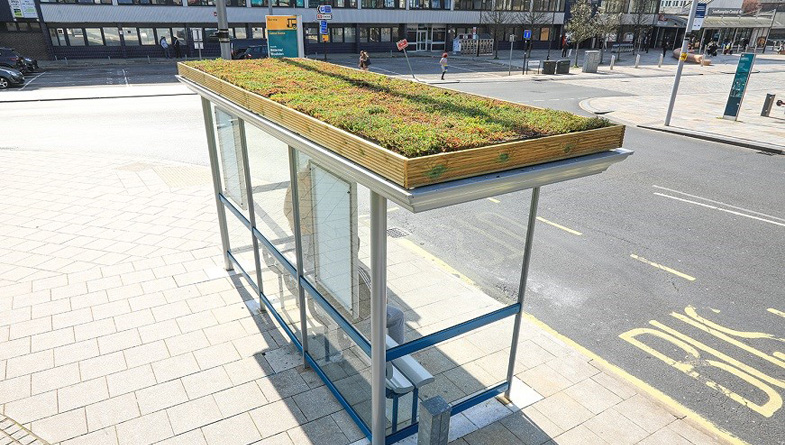
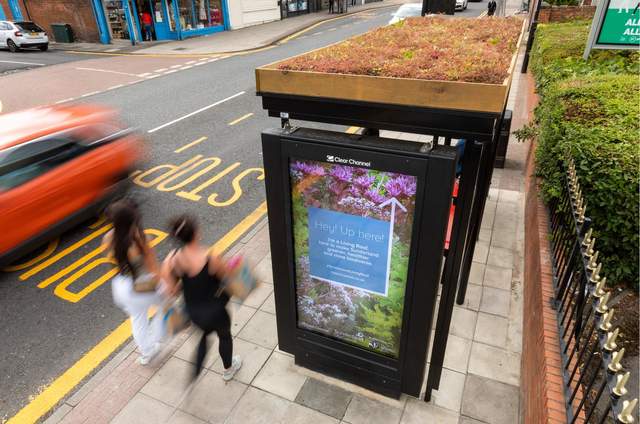
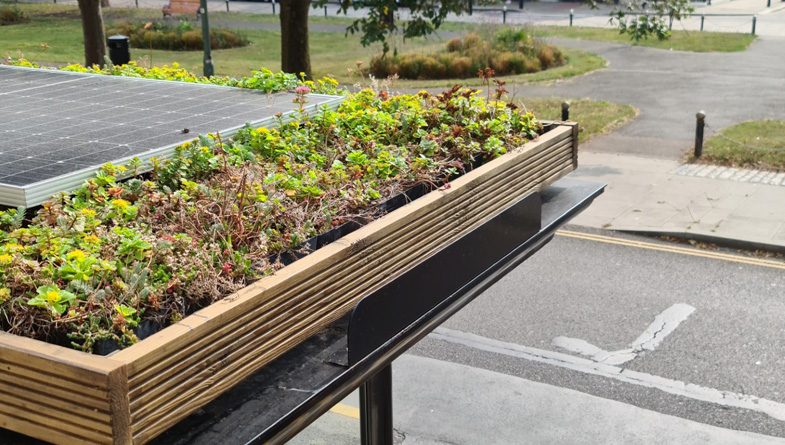
M-Tray Bee Bus Stops are modular green roof systems developed to sit on top of bus shelters, cycle shelters, and other transport-related structures. Using adapted M-Tray technology, they are designed to meet the structural and spatial requirements of these installations while delivering meaningful environmental benefits.
Each tray is planted with a carefully selected mix of pollinator-friendly vegetation, including wildflowers and nectar-rich species. These provide essential food sources for bees, butterflies, and hoverflies, helping to support biodiversity in built-up areas.
To explore how these systems are designed and implemented, you can view the full M-Tray Bee Bus Stop system, which highlights their practical application within urban environments.

Turning Everyday Infrastructure into Wildlife Habitats
Urban areas are often dominated by hard surfaces such as concrete and metal, leaving limited space for natural habitats. While parks and gardens play an important role, they are often not enough to support growing ecological demands.
M-Tray Bee Bus Stops help bridge this gap by introducing greenery into everyday locations. Bus shelters, which would otherwise be purely functional, become active contributors to local ecosystems.
By incorporating solutions like the M-Tray Bee Bus Stop system, cities can create a network of small but impactful green spaces throughout transport routes.
Supporting Bees and Pollinators
Pollinators are essential to the health of our environment, yet their populations continue to face challenges from habitat loss and urbanisation.
M-Tray Bee Bus Stops provide a consistent source of nectar and pollen across multiple seasons. The diverse planting scheme ensures that pollinators have access to food throughout the year, helping to stabilise and support their populations.
These installations also act as stepping stones between larger green spaces, enabling pollinators to move more easily across urban landscapes.

Enhancing Urban Biodiversity
Although the primary focus is on pollinators, Bee Bus Stops support a broader range of wildlife. The vegetation creates microhabitats for insects and invertebrates, which in turn support birds and other species.
By installing systems such as the M-Tray Bee Bus Stop solution, local authorities can contribute to a more connected and resilient urban ecosystem.
Educational and Community Benefits
M-Tray Bee Bus Stops also offer strong educational value. Their visibility in everyday settings makes them an effective tool for raising awareness about biodiversity and sustainability.
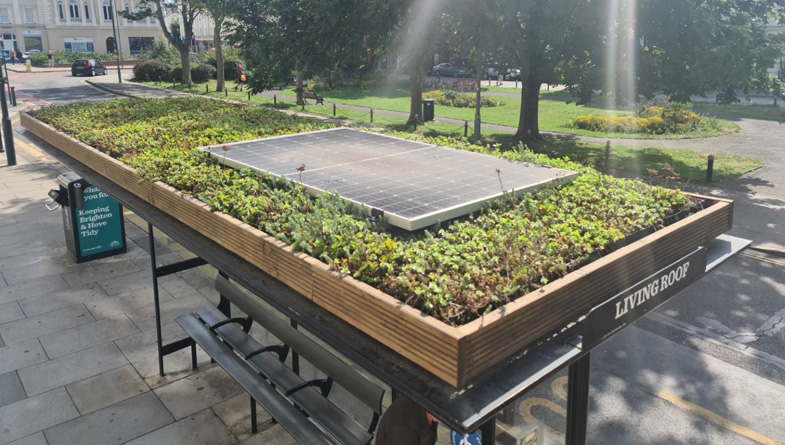
Many installations include signage explaining the purpose of the green roof and its environmental benefits, helping to engage commuters, schools, and local communities in conversations about protecting pollinators.
Improving Air Quality
The vegetation used in Bee Bus Stops helps absorb carbon dioxide and capture airborne pollutants. While the impact of a single installation may be small, widespread adoption across a city can contribute to improved air quality over time.
This makes them a practical addition to broader environmental strategies aimed at reducing pollution in urban areas.
Reducing the Urban Heat Island Effect
Urban areas often experience higher temperatures due to the concentration of buildings and hard surfaces. This is known as the urban heat island effect.
M-Tray Bee Bus Stops help mitigate this by introducing vegetation that absorbs and reflects heat more effectively than traditional materials. The plants also provide natural cooling through evaporation, helping to reduce localised temperature increases.
Managing Rainwater Runoff
Like other green roof systems, Bee Bus Stops play a role in managing rainwater. The vegetation and substrate absorb rainfall, reducing the volume of water entering drainage systems.
This helps to ease pressure on urban drainage networks and supports more sustainable water management practices.
Easy Installation and Flexibility
One of the key strengths of M-Tray Bee Bus Stops is their modular design. The trays are lightweight, durable, and engineered to fit standard shelter structures.
This allows them to be installed on new or existing bus stops with minimal disruption, making them a practical option for councils and transport providers.
For projects looking to integrate green infrastructure into transport networks, the M-Tray Bee Bus Stop system offers a straightforward and effective solution.
Low Maintenance and Long-Term Performance
These systems are designed to be low maintenance. Routine care typically involves basic inspections, removal of weeds, and occasional watering during extended dry periods.
The plant species used are selected for their resilience, ensuring they can thrive in exposed rooftop conditions with minimal intervention.
Built for UK Weather Conditions
M-Tray Bee Bus Stops are designed to withstand the UK’s varied weather, including heavy rain, frost, and strong winds. The robust tray system and hardy vegetation ensure reliable, long-term performance.
This durability makes them suitable for use across a wide range of urban environments.
Supporting Sustainable Urban Planning
As sustainability becomes a priority in urban development, integrating green infrastructure into everyday spaces is increasingly important.
M-Tray Bee Bus Stops align with these goals by supporting biodiversity, improving environmental performance, and enhancing the visual appeal of public spaces.
Inspiring Future Green Infrastructure
The success of Bee Bus Stops demonstrates how even small interventions can have a significant impact. Their adoption has the potential to inspire further green infrastructure projects across cities, including green roofs on cycle shelters, car parks, and public buildings.
This helps embed sustainability into the fabric of urban design.
Final Thoughts on M-Tray Bee Bus Stops
M-Tray Bee Bus Stops offer an innovative and effective way to support pollinators and improve biodiversity within urban environments. By transforming everyday infrastructure into living habitats, they demonstrate how practical design can deliver meaningful environmental benefits.
As cities continue to evolve, solutions like these will play a vital role in creating greener, healthier, and more resilient communities.
Ready to Introduce Bee-Friendly Green Infrastructure?
If you are looking to enhance your urban project with a practical and impactful green roofing solution, Wallbarn’s Bee Bus Stop systems are an excellent choice.
Call +44 (0)20 8916 2222 or email sales@wallbarn.com to discuss your project and find out how you can integrate pollinator-friendly green roofs into your infrastructure.