Next Day Delivery order before 2pm
  Order / Enquire Now
 Call 020 8916 2222
Green roofs and green walls are no longer niche design features but proven, scalable nature-based solutions that can significantly enhance biodiversity, climate resilience, energy efficiency and human well-being in European cities. This is a central finding of a new knowledge synthesis report prepared by the Science Service for Biodiversity that is being developed by BioAgora in response to a relevant knowledge request submitted by DG Environment to the EC Knowledge Centre for Biodiversity (KCBD).
The report, titled “Implementing green roofs and walls: lessons from European experiences,” draws on extensive scientific literature, expert knowledge and 46 real-world case studies from across Europe to assess how building-integrated greenery can support urban ecosystem restoration and climate adaptation objectives. It directly supports the implementation of both the EU Nature Restoration Regulation (NRR) and the EU Biodiversity Strategy for 2030, particularly their urban ecosystem restoration/greening targets, by providing practical guidance for local authorities, planners and policymakers.
Evidence-based benefits for cities
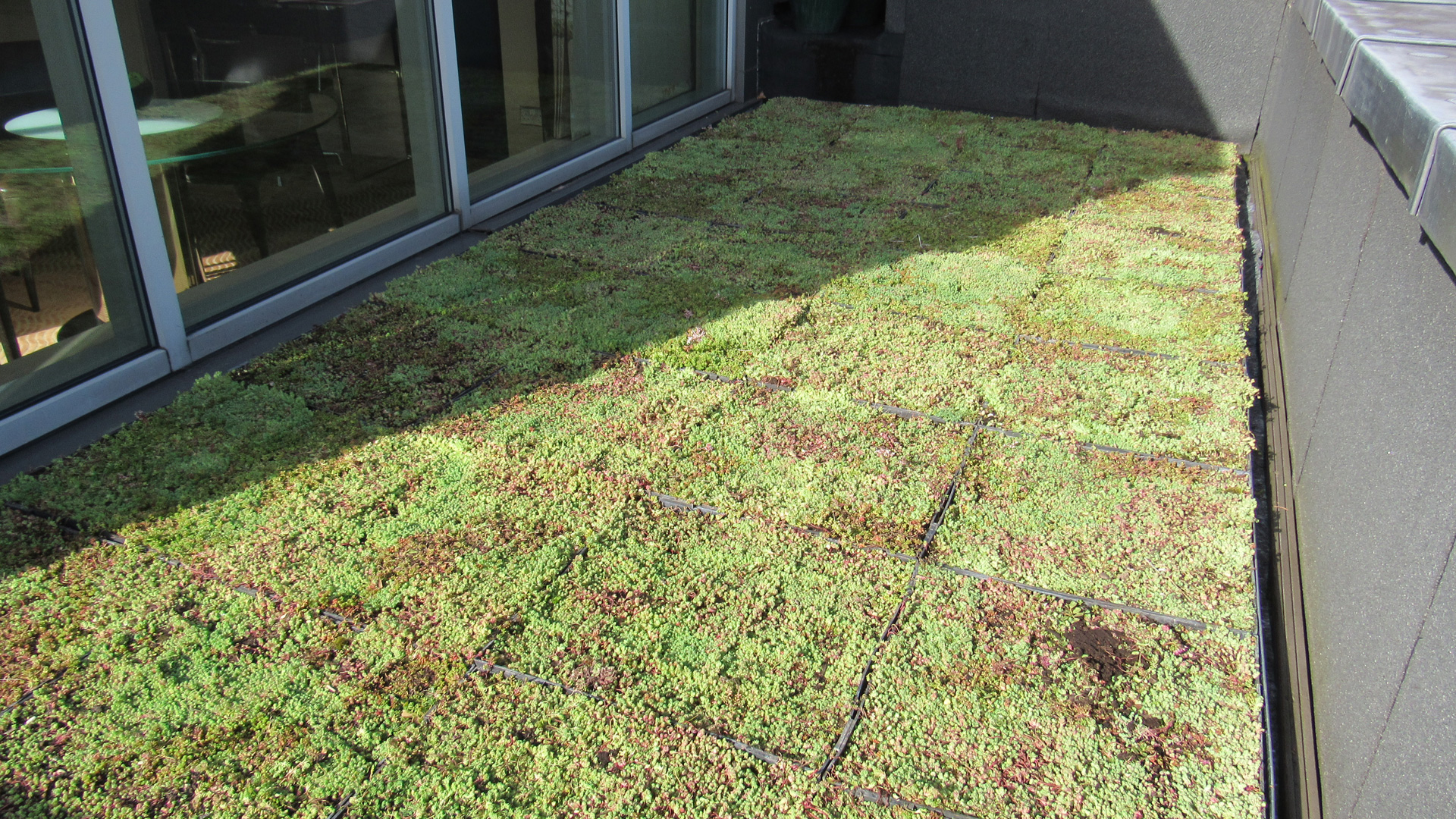
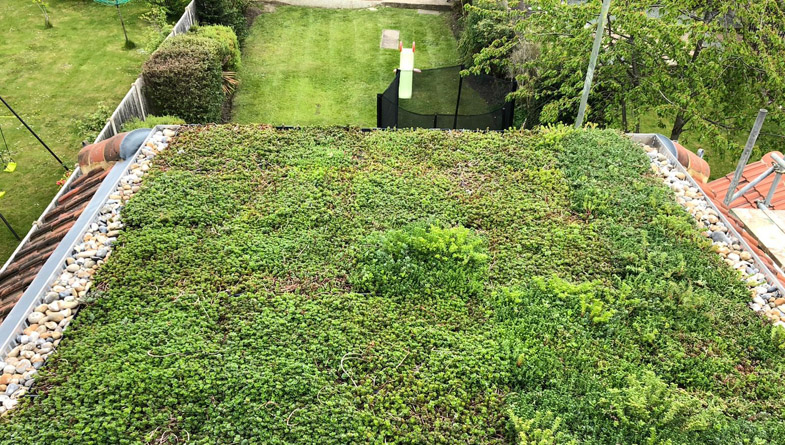
According to the report, green roofs and green walls deliver measurable benefits across multiple policy domains. The projects examined in the report demonstrate substantial stormwater retention, reductions in urban heat stress, energy savings for buildings, and support for urban biodiversity—including pollinators, birds and other species that inhabit urbanized areas.
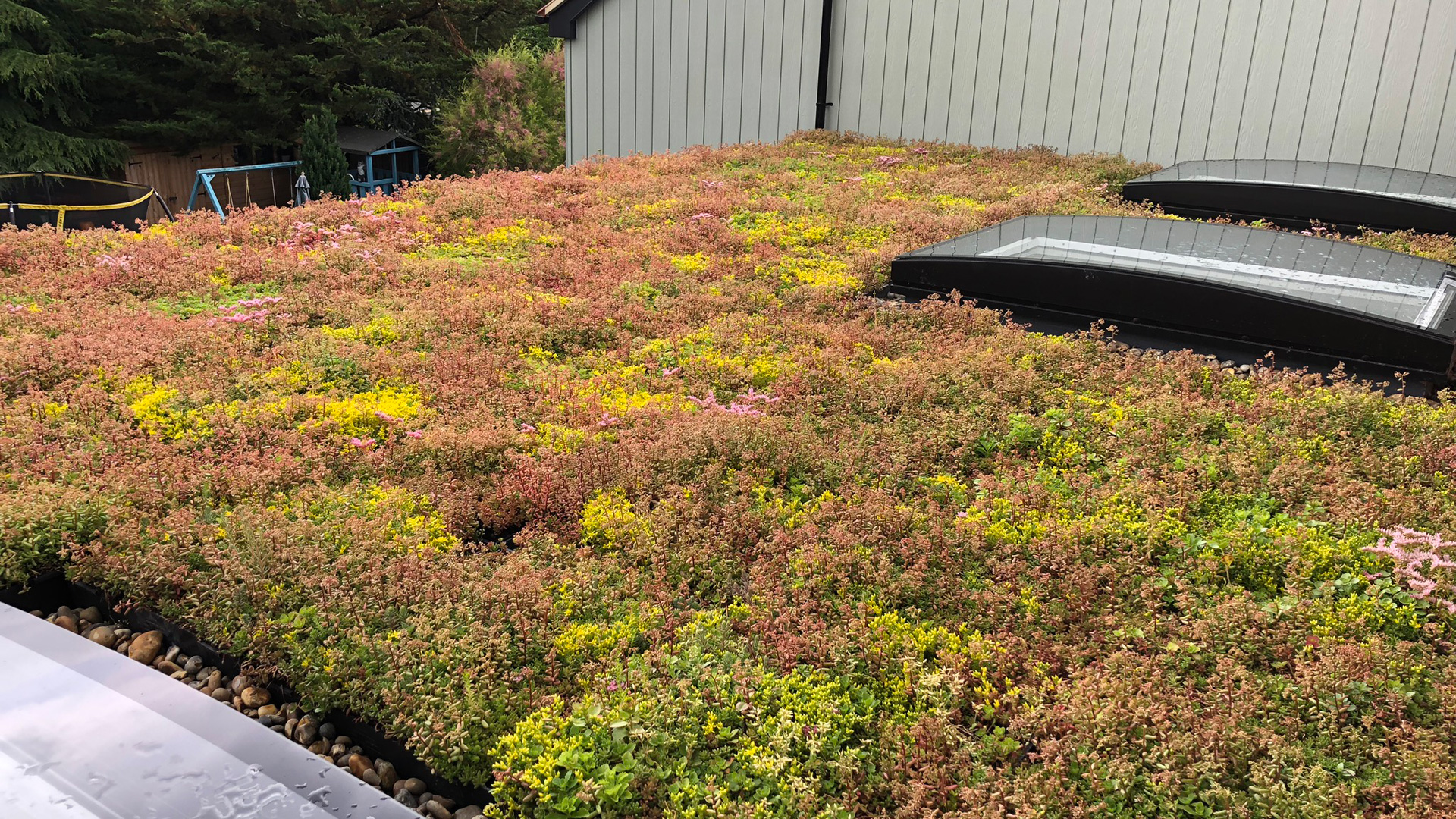
Extensive green roofs remain the most widely implemented system across Europe, largely due to their low weight, relatively low cost and compatibility with existing buildings. However, the report highlights that semi-intensive and intensive green roofs, as well as vertical greening systems, can deliver significantly higher biodiversity, social and microclimatic benefits when supported by appropriate design, governance and maintenance frameworks.
Green walls—ranging from traditional climbers to engineered living wall systems—are shown to contribute to cooling, improvement of air quality and habitat provision, particularly in dense urban areas where ground-level space is limited.
Supporting the EU climate and biodiversity goals
The report situates green roofs and walls within the broader EU policy landscape, showing how they contribute not only to the NRR, but also to the EU Biodiversity Strategy for 2030, the Energy Performance of Buildings Directive, EU climate adaptation strategies and urban water management frameworks.
By transforming underused rooftops and façades into functional green infrastructure, cities can expand urban green space without competing for scarce land. These systems also act as ecological “stepping stones,” strengthening connectivity between fragmented habitats and supporting pollinator recovery—a key EU priority.
Design, governance and long-term performance matter
A key message of the report is that performance depends on how green roofs and walls are designed, implemented and managed over time. Biodiversity outcomes are strongly influenced by substrate depth, vegetation diversity, structural complexity and integration into wider urban green networks.
The report also identifies governance and financing as major barriers to wider uptake. Fragmented regulations, skills gaps, and uncertainty around maintenance responsibilities continue to limit implementation in many regions, particularly in parts of Eastern Europe.
Successful examples across Europe demonstrate the high value added of hybrid governance models that combine public leadership with private investment and community engagement. Participatory approaches, biodiversity monitoring and adaptive management are highlighted as underused but high-impact strategies for improving long-term effectiveness and public acceptance.