Next Day Delivery order before 2pm
  Order / Enquire Now
 Call 020 8916 2222
Modern construction increasingly demands smarter use of space, particularly in external areas such as balconies, terraces, and roof decks. As floor build-ups become tighter and fire safety regulations more stringent, traditional decking substructures can struggle to meet both dimensional and compliance requirements. This is where ultra low Class A substructure systems offer a practical and forward-thinking solution.
By combining minimal build height with excellent fire performance, these systems enable designers and contractors to create safe, durable external surfaces without compromising on compliance or long-term reliability.

What Is an Ultra Low Class A Substructure System?
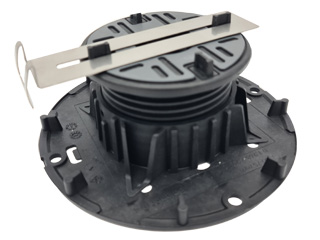
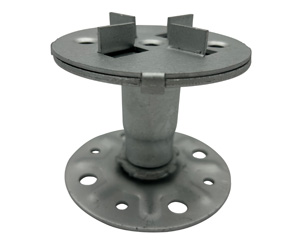
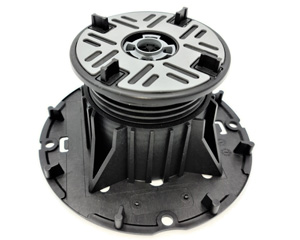
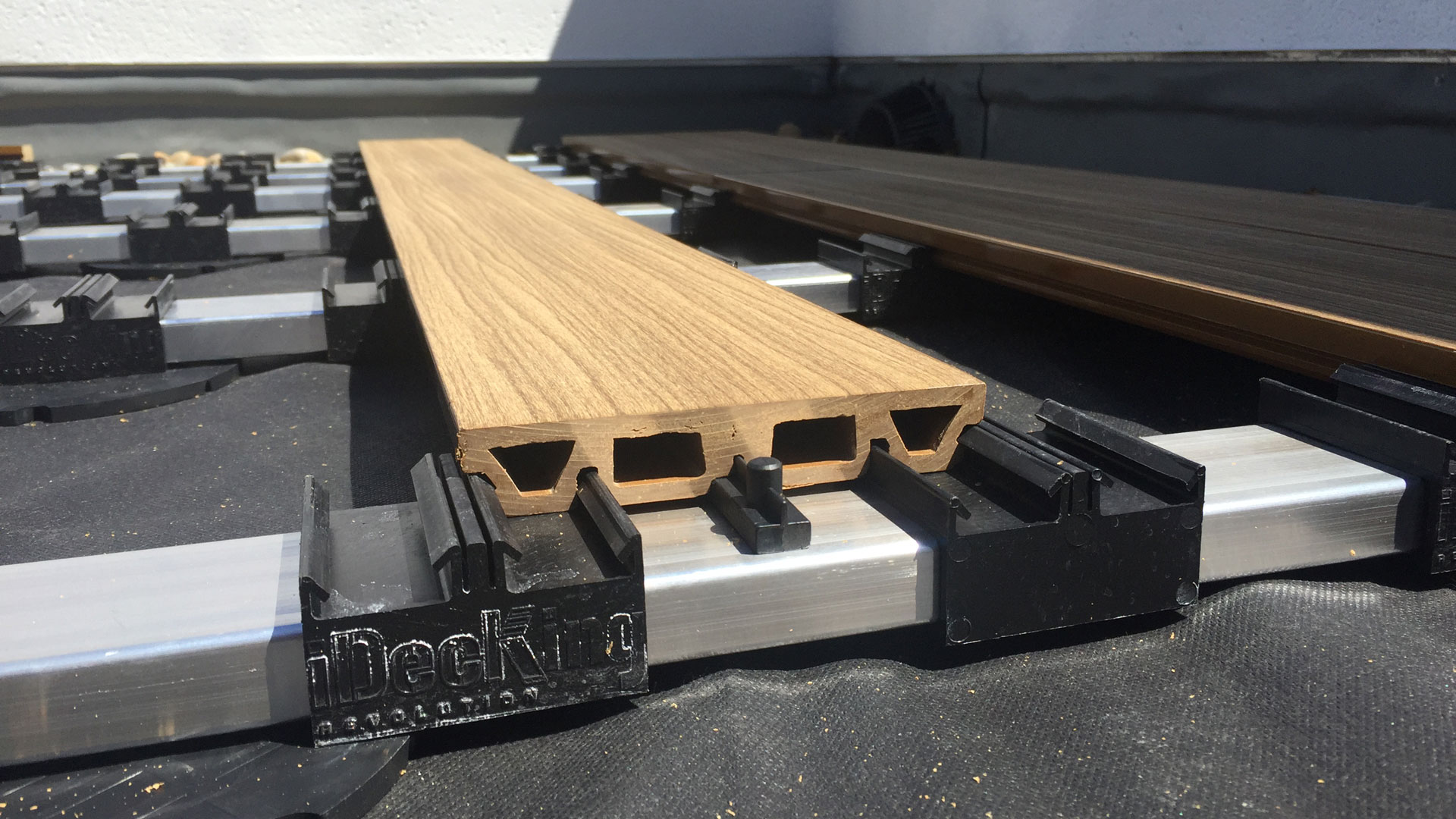
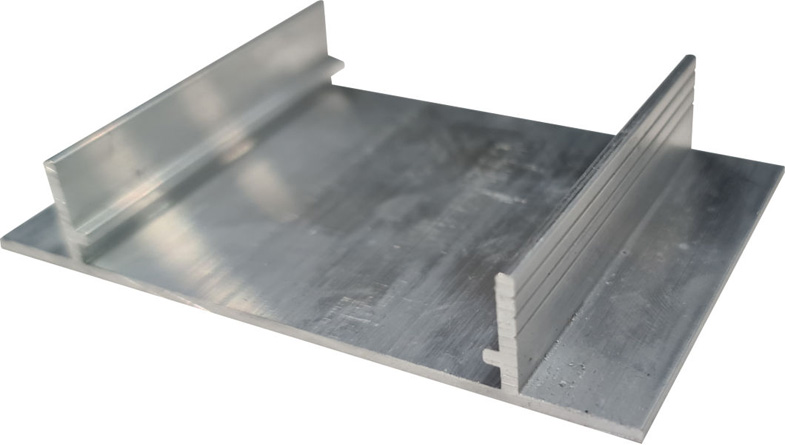
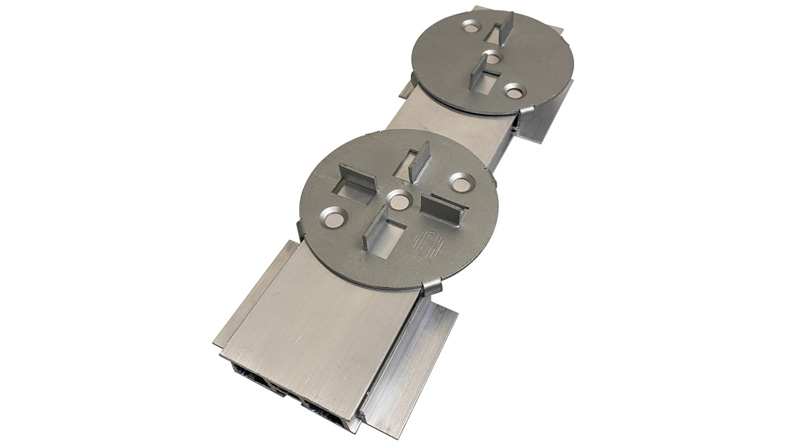
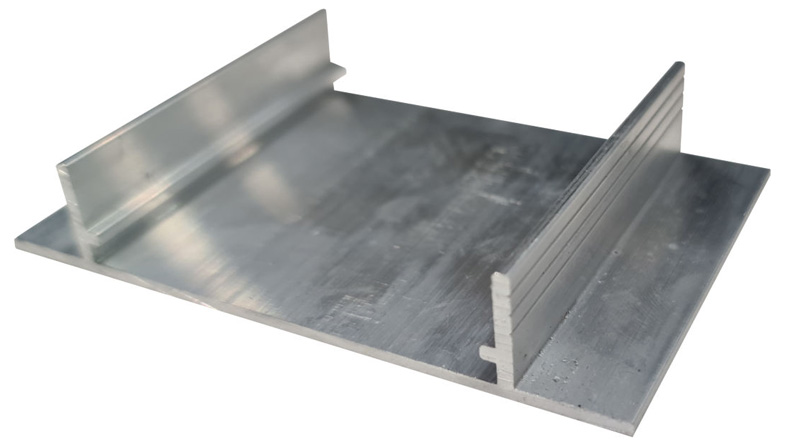
An ultra low Class A substructure system is designed to provide reliable support for decking or paving where height restrictions are critical. Unlike conventional systems that require a deeper build-up, ultra low solutions deliver a much slimmer profile while maintaining strength and fire performance.
Wallbarn’s Ultra Low Class A Substructure System has been specifically developed to meet stringent fire safety standards, making it an ideal solution for projects where precision, safety, and compliance are essential.
Meeting Fire Safety Requirements with Confidence
Fire safety is now a central consideration in the design of external spaces, particularly in residential and mixed-use developments. Materials used within substructures can directly influence how fire behaves beneath decking or paving finishes.
A Class A-rated system helps to limit combustibility and reduce the risk of fire spread. By specifying the Ultra Low Class A Substructure System, project teams can ensure that fire performance is not compromised, even in restricted build-up scenarios.
This makes it particularly suitable for:
- Balconies and terraces in multi-storey buildings
- Roof decks above habitable spaces
- Areas subject to strict fire safety regulations
Solving Height Restriction Challenges
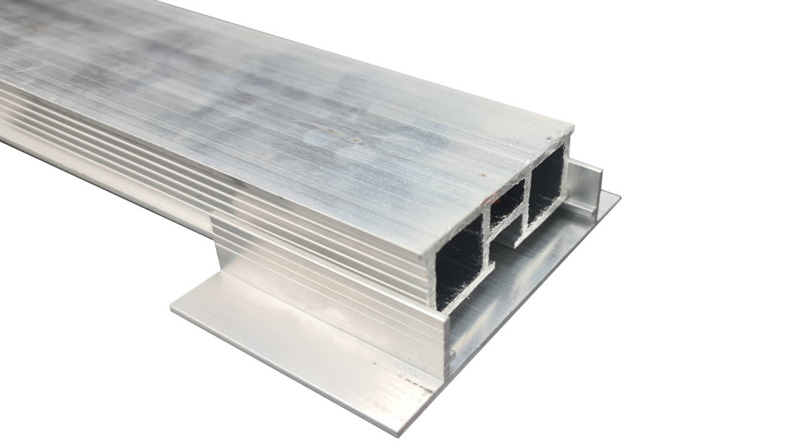
One of the key benefits of an ultra low substructure system is its ability to overcome height limitations. Many projects, especially refurbishments, must work within strict thresholds for finished floor levels and access points.
Ultra low systems allow contractors to:
- Maintain compliance with building tolerances
- Achieve seamless transitions between internal and external spaces
- Avoid costly redesigns or late-stage compromises
This makes them especially valuable where space is limited and precision is essential.
Structural Performance in a Compact Design
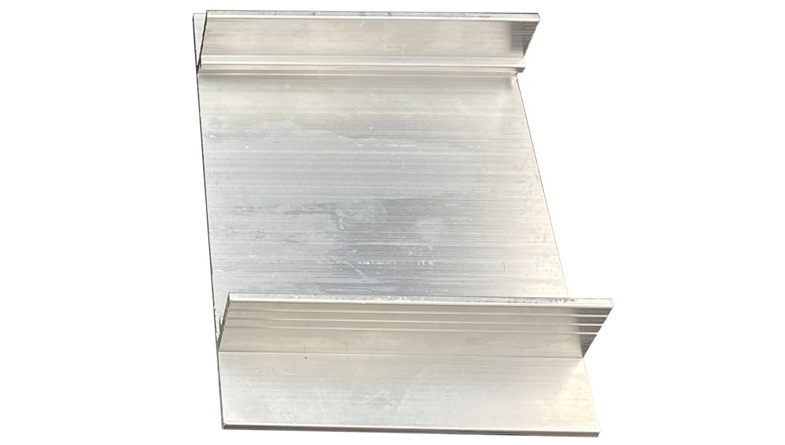
Despite their reduced height, ultra low Class A systems are engineered to deliver strong and consistent structural support. Load distribution is carefully managed to ensure long-term stability across the surface.
Key benefits include:
- Even weight distribution across the structure
- Reduced stress on fixing points
- Improved durability of decking or paving finishes
This ensures that the finished surface remains stable, safe, and visually consistent over time.
Enhancing Durability and Reducing Maintenance
External substructures must withstand exposure to weather, temperature changes, and regular use. The Ultra Low Class A Substructure System is designed to deliver long-term durability with minimal maintenance.
Benefits include:
- Resistance to environmental wear and degradation
- Long-term dimensional stability
- Reduced need for ongoing repairs
This helps protect both the visible surface and the underlying waterproofing system, reducing lifecycle costs.
Installation Efficiency and On-Site Benefits
From a practical perspective, ultra low systems simplify installation. Their compact design makes them easier to work with in restricted spaces and reduces the need for complex adjustments.
Additional advantages include:
- Faster installation times
- Easier access to membranes and drainage layers
- Simplified replacement or maintenance of surface materials
This contributes to more efficient project delivery, particularly where time and access are limited.
Design Flexibility Without Compromise
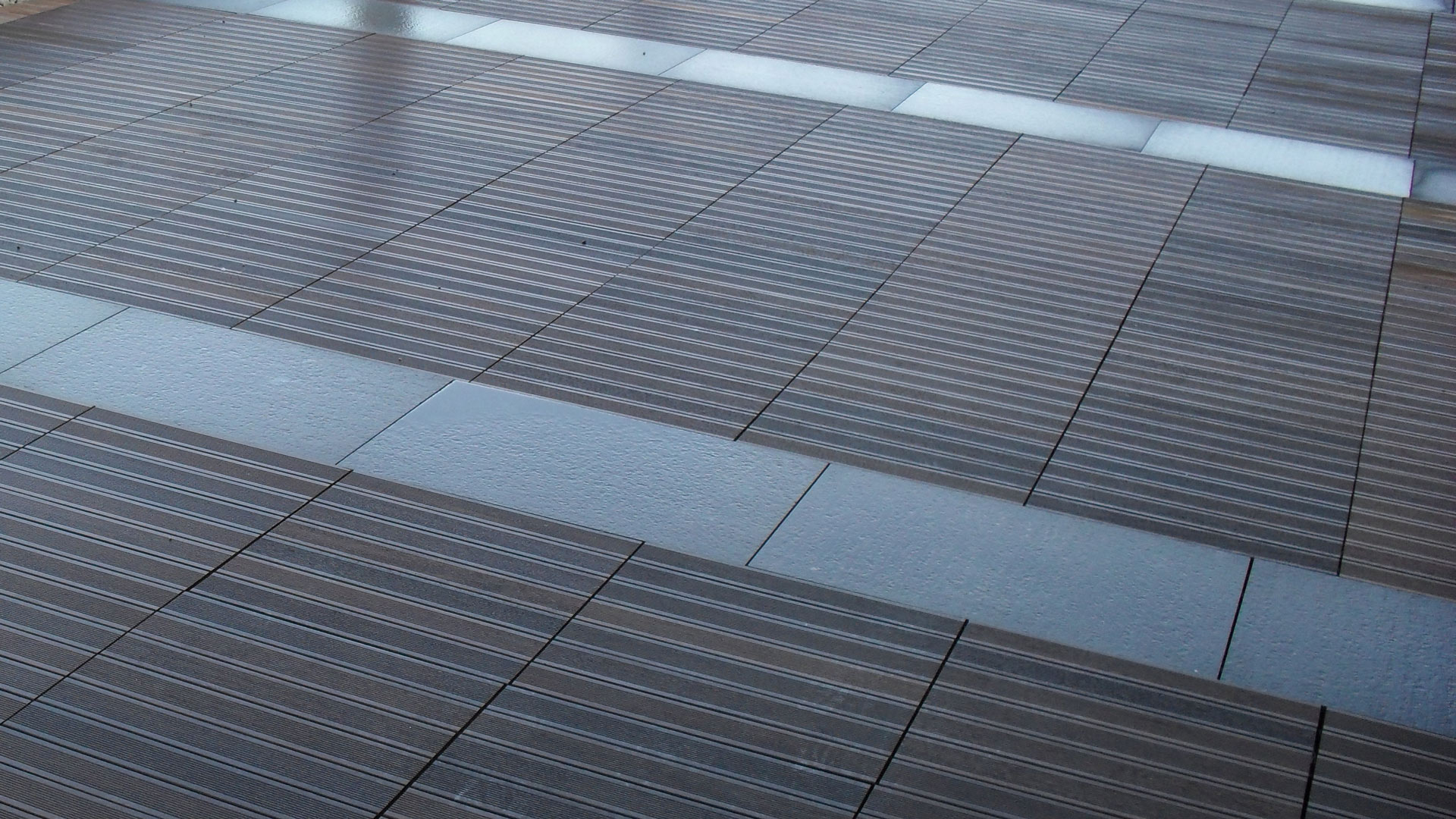
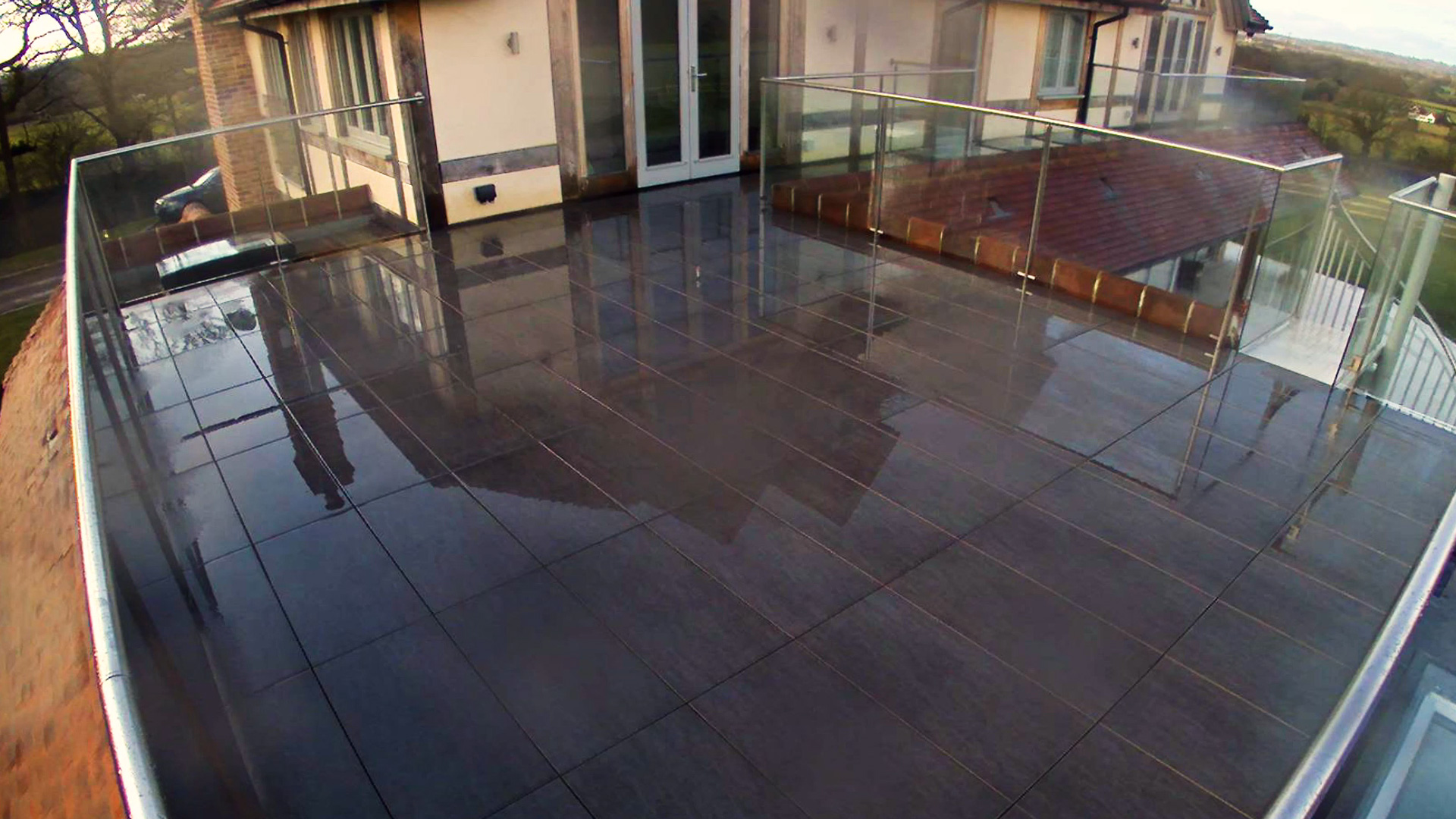
Despite their slim profile, ultra low Class A systems offer excellent design flexibility. They are compatible with a wide range of finishes, including decking boards, porcelain paving, and natural stone.
This allows architects and designers to achieve their desired aesthetic without compromising on fire safety or structural performance.
A Future-Proof Solution for Modern Construction
As building regulations continue to evolve, specifying systems that already meet high fire performance standards is a smart long-term approach.
The Ultra Low Class A Substructure System provides future-proof reassurance, helping buildings remain compliant while delivering safe and durable external spaces.
For developers and asset managers, this reduces risk and enhances the long-term value of the property.
Why Choose Wallbarn’s Ultra Low Class A Substructure System?
Wallbarn’s system has been designed to address the real challenges of modern construction. It delivers fire-rated performance, structural strength, and design flexibility within a compact, low-build solution.
By choosing a system that balances safety, performance, and practicality, project teams can confidently create external spaces that perform reliably for years to come.
Ready to Specify a Low-Build, Fire-Rated Substructure?
If you are working on a project where space is limited but performance cannot be compromised, Wallbarn’s ultra low Class A system is the ideal solution.
Call +44 (0)20 8916 2222 or email sales@wallbarn.com to discuss your project requirements and find the right system for your build.