Next Day Delivery order before 2pm
  Order / Enquire Now
 Call 020 8916 2222
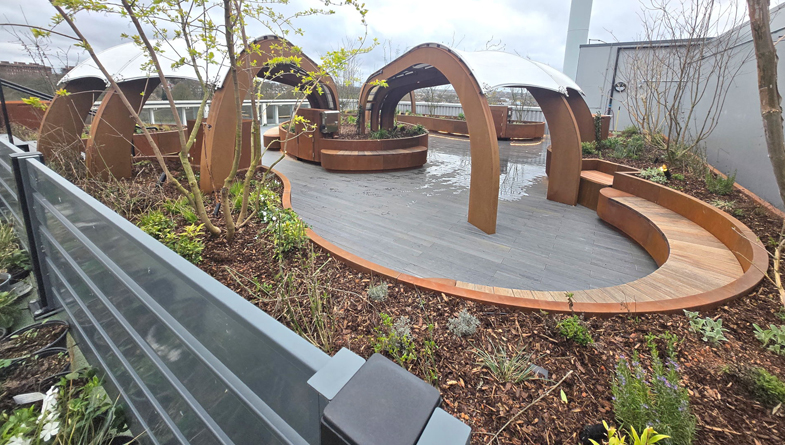
Healthcare environments are designed first and foremost to save lives, but increasingly there is recognition that recovery involves more than clinical treatment alone. At King’s College Hospital in London, a pioneering project has demonstrated how thoughtful design can support both physical and mental wellbeing. The hospital has introduced a fully operational Critical Care Unit (CCU) rooftop garden, allowing critically ill patients to safely experience fresh air, daylight, and nature without leaving the clinical environment. Projects such as this rooftop CCU space for King’s College Hospital case study highlight how innovative construction solutions can successfully be applied in sensitive healthcare settings.
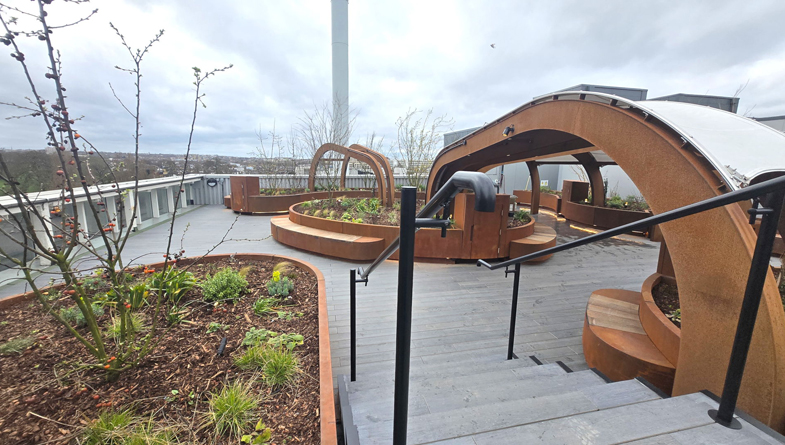
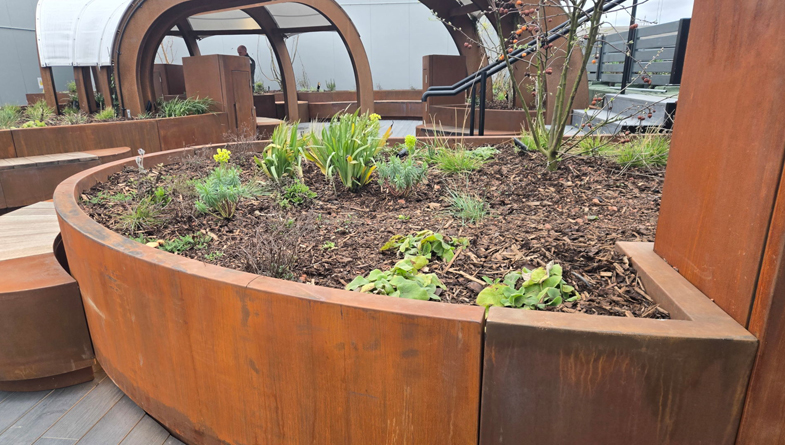
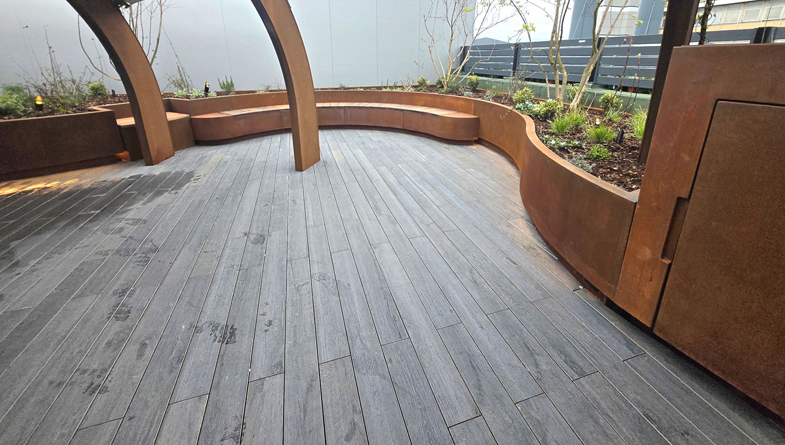
Spanning approximately 170 square metres, this innovative outdoor space sits directly above the hospital’s CCU and represents a new benchmark in healthcare design. By transforming an unused rooftop into a carefully engineered therapeutic environment, the project shows how hospitals can integrate nature into critical care settings while maintaining strict safety and regulatory standards.
A Vision to Improve Patient Wellbeing
The concept for the rooftop garden originated with Dr Tom Best, Critical Care Clinical Director at King’s College Hospital. His vision recognised that recovery in intensive care is not solely about treating illness or injury, but also about supporting patients’ emotional and psychological wellbeing.
Research has increasingly highlighted the benefits of exposure to natural environments in healthcare settings. Access to daylight, fresh air, and greenery has been shown to:
- Reduce stress levels
- Help regulate blood pressure
- Improve mood and emotional wellbeing
- Support overall recovery outcomes
For critically ill patients who may spend extended periods indoors connected to life-supporting equipment, these benefits can be particularly valuable.
The rooftop garden was therefore conceived as a way to bring elements of nature directly into the critical care environment. Patients can be taken outdoors while remaining fully connected to essential medical systems, allowing them to experience a calming, restorative setting while still receiving intensive care support.
From Unused Roof to Therapeutic Space
Prior to the project, the roof area above the CCU remained unused due to structural complexity and the challenges of creating an accessible outdoor space on an active hospital building.
Transforming the area into a safe and functional garden required extensive planning, specialist design expertise, and careful coordination between multiple disciplines.
The project team included:
- Malcolm Hankey of Bluelight Management, who led the project
- BMJ Architects, responsible for architectural design
- Professor Nigel Dunnett, who delivered the landscape design
- WSP and Ross & Partners Ltd, providing engineering and technical consultancy
Together, the team worked to create a rooftop environment that could meet stringent requirements relating to:
- Structural integrity
- Fire safety compliance
- Accessibility for patients and staff
- Integration with clinical operations
Importantly, the entire project was funded through charitable donations, demonstrating strong community support for innovative approaches to healthcare.
Meeting Strict Safety and Compliance Standards
One of the most significant challenges was ensuring that the rooftop space complied with Building Regulations Approved Document B, which governs fire safety in buildings.
Because the space sits high above a busy hospital site and would be used by vulnerable patients, a fully non-combustible decking and planter support system was essential. High-performance systems such as non-combustible porcelain decking provide the fire resistance and durability required for projects of this nature.
Early in the design process, composite decking products were ruled out due to their fire performance limitations. Instead, the project required a specialist decking system capable of achieving:
- Class A fire performance
- Long-term durability
- Structural reliability in a rooftop environment
Wallbarn became involved alongside AB Building Products, who supplied the fire-rated deck boards known as Exadeck.
Wallbarn’s role focused on providing the technical design for the decking substructure, ensuring the system would meet strict compliance requirements while supporting the complex layout of the rooftop garden. Solutions such as the Class A1 rail substructure system are critical in delivering both fire compliance and structural performance.
Designing Around Critical Medical Infrastructure
Another major challenge involved the extensive medical infrastructure running beneath the deck.
The rooftop garden sits directly above a highly specialised clinical environment, meaning numerous service routes needed to be accommodated within the design. These included:
- Medical gas systems
- Electrical power supplies
- Data and communications cables
- Monitoring and clinical equipment connections
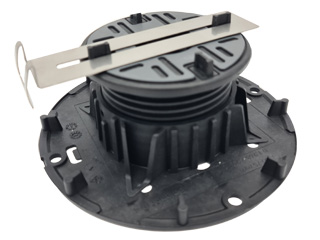
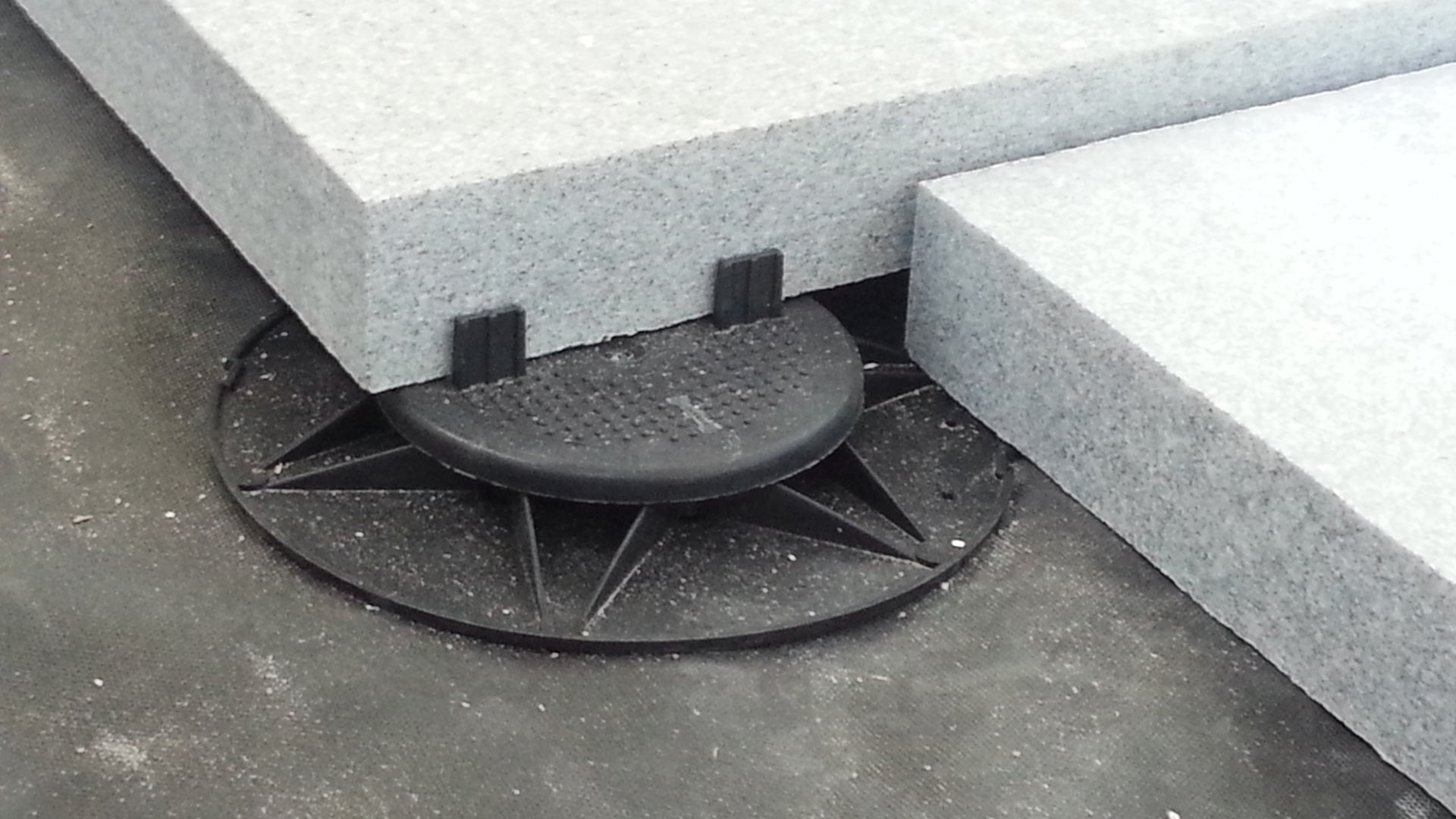
To ensure these systems remained accessible and functional, the project utilised a suspended decking system supported by adjustable pedestals. Systems such as the Class A1 rail substructure system allow for:
- Precise height adjustment
- Safe routing of services
- Long-term structural stability
This approach created a void beneath the deck surface, allowing services to be safely housed while maintaining airflow and drainage.
The design also incorporated strategically placed access hatches, enabling:
- Quick access to service points
- Efficient maintenance and inspection
- Minimal disruption to the deck structure
Precision Engineering for a Complex Environment
The final decking solution combined several specialist components designed to meet the demands of a healthcare setting.
The system included:
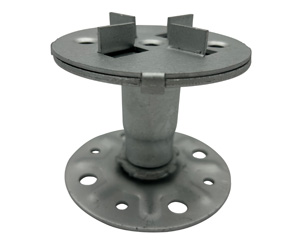
- MetalPad Ex steel pedestals with Zintec 200 anti-corrosion coating
- Extruded aluminium rails and joists for structural stability
- Class A-rated fixings and connectors
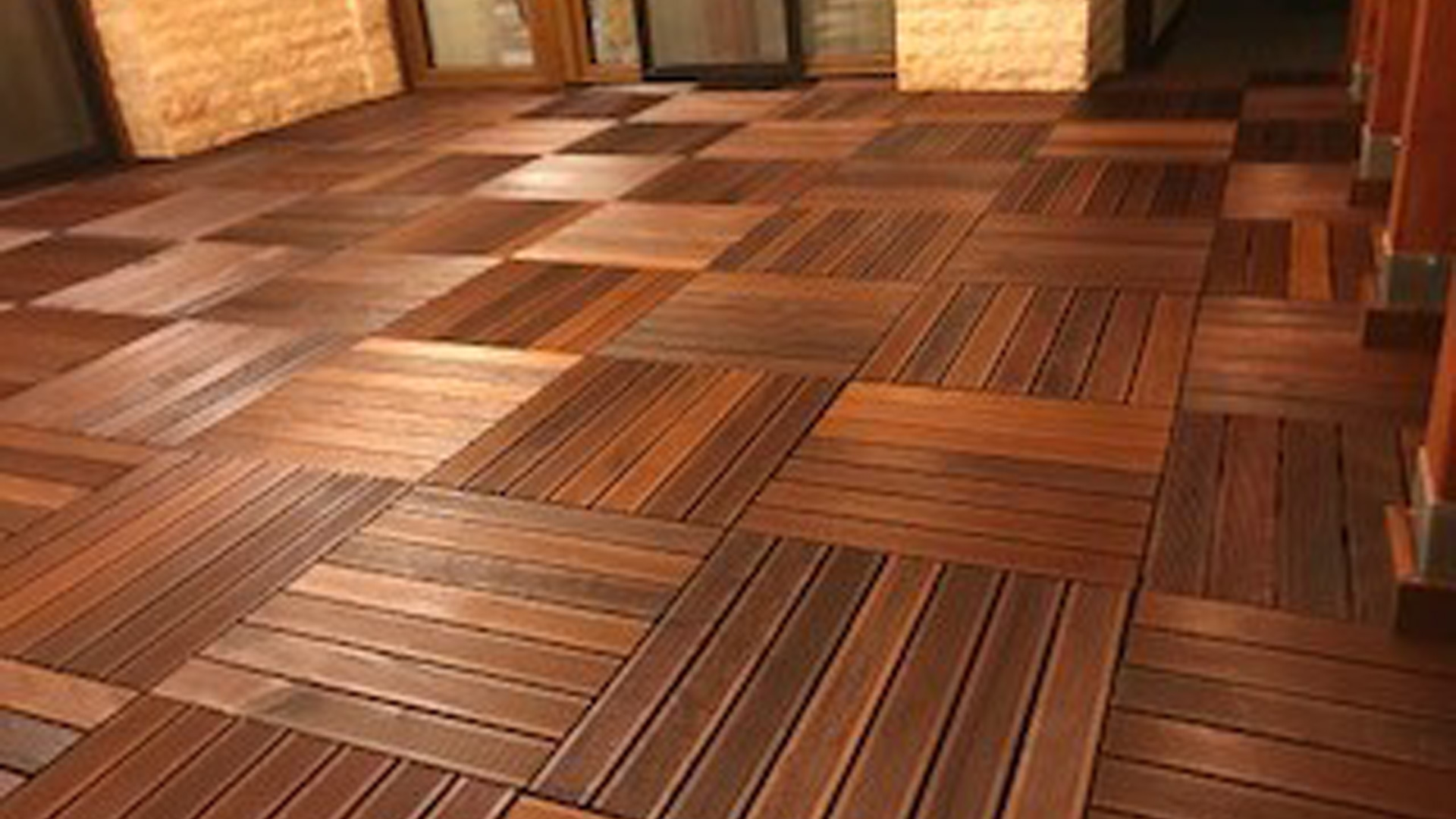
- Non-combustible Exadeck boards
Together, these elements created a durable, fire-rated decking system capable of:
- Supporting rooftop loads safely
- Providing precise levelling and adjustment
- Delivering long-term reliability
Materials such as non-combustible porcelain decking further enhance both performance and visual appeal.
The materials selected for the system have an expected lifespan of more than 50 years, making them suitable for use in regulated healthcare environments where longevity and performance are essential.
Installation Expertise and Site Coordination
Once the substructure design had been finalised, ISW UK Ltd were recommended as the preferred installer due to their experience with complex rooftop schemes.
Before construction began, the contractor carried out a full roof survey, which revealed discrepancies between design drawings and actual site conditions, including:
- Measurement variations
- Build-up tolerances
- Structural differences
Addressing these issues early allowed the team to:
- Update final layouts and drawings
- Adjust quantities and materials
- Avoid installation errors
- Reduce material waste and costs
This proactive approach helped ensure the project was delivered efficiently and without unnecessary delays.
Overcoming Logistical Challenges
Delivering materials to the roof of an active hospital required careful planning and coordination.
Key logistical considerations included:
- Temporary use of staircases and access routes
- Minimising disruption to hospital operations
- Efficient scheduling of deliveries
Materials were supplied on standard Euro pallets, allowing for easier movement through internal spaces.
The aluminium rails, supplied in 3.6 metre lengths, were lightweight enough to be handled by a single installer, helping to:
- Improve installation efficiency
- Reduce reliance on heavy lifting equipment
- Maintain safe working practices
A New Benchmark for Healthcare Design
The completed rooftop garden now stands as a pioneering addition to King’s College Hospital’s Critical Care Unit.
By allowing patients to experience fresh air and nature while remaining connected to life-supporting medical equipment, the space introduces an entirely new dimension to critical care treatment. This is clearly demonstrated in the King’s College Hospital rooftop CCU case study, showcasing how technical innovation supports patient-centred design.
The project demonstrates how innovative design and collaborative expertise can transform previously unused areas into valuable therapeutic environments.
A Model for Future NHS Hospitals
Perhaps most importantly, the success of the rooftop garden suggests a model that could be replicated across other hospitals.
Many healthcare buildings include unused rooftop spaces that could potentially be converted into therapeutic environments. With the right expertise, materials such as non-combustible porcelain decking and systems like the Class A1 rail substructure system can help deliver:
- Safe, compliant outdoor environments
- Long-term durability and performance
- Enhanced patient wellbeing spaces
The rooftop CCU garden at King’s College Hospital therefore represents more than a single project. It stands as an example of how thoughtful design can reshape the future of healthcare facilities, combining clinical excellence with compassionate care.