Next Day Delivery order before 2pm
  Order / Enquire Now
 Call 020 8916 2222
Raised paving design is often judged on visible outcomes. A level finished surface, effective drainage, the right build-up height and a clean overall appearance are usually seen as the markers of a successful scheme.
They all matter.
But they are not always where the success of the installation is decided.
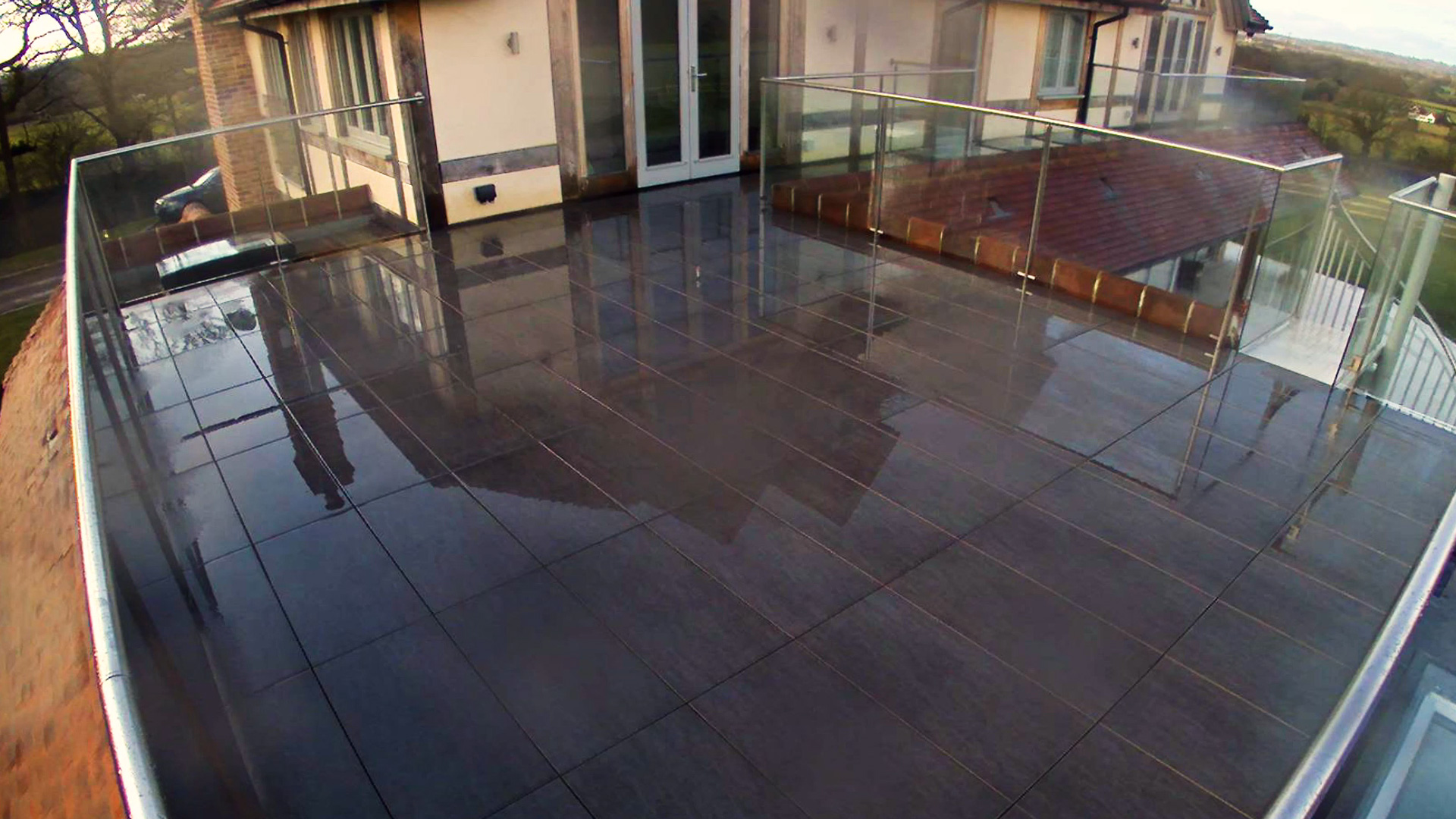
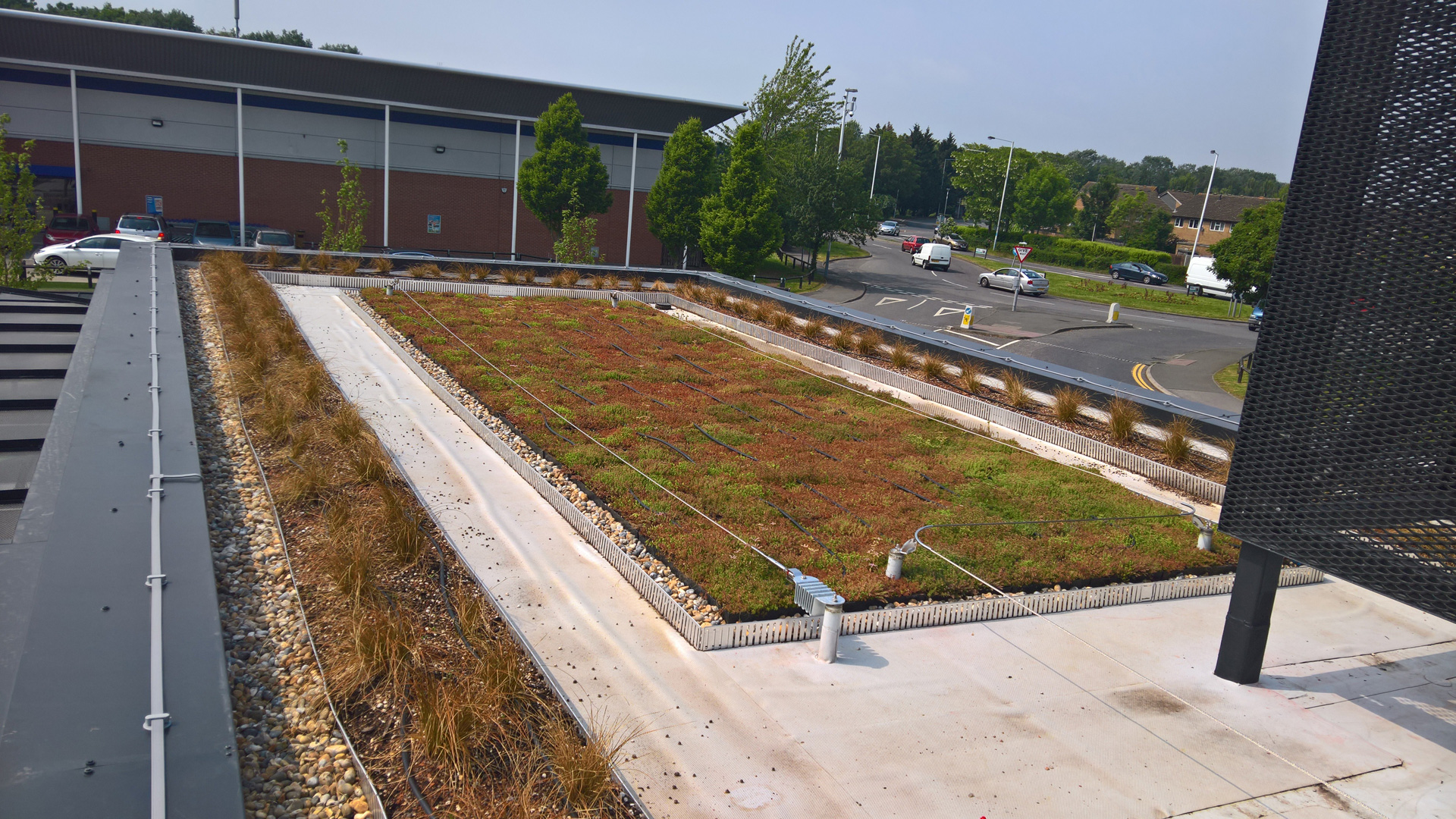
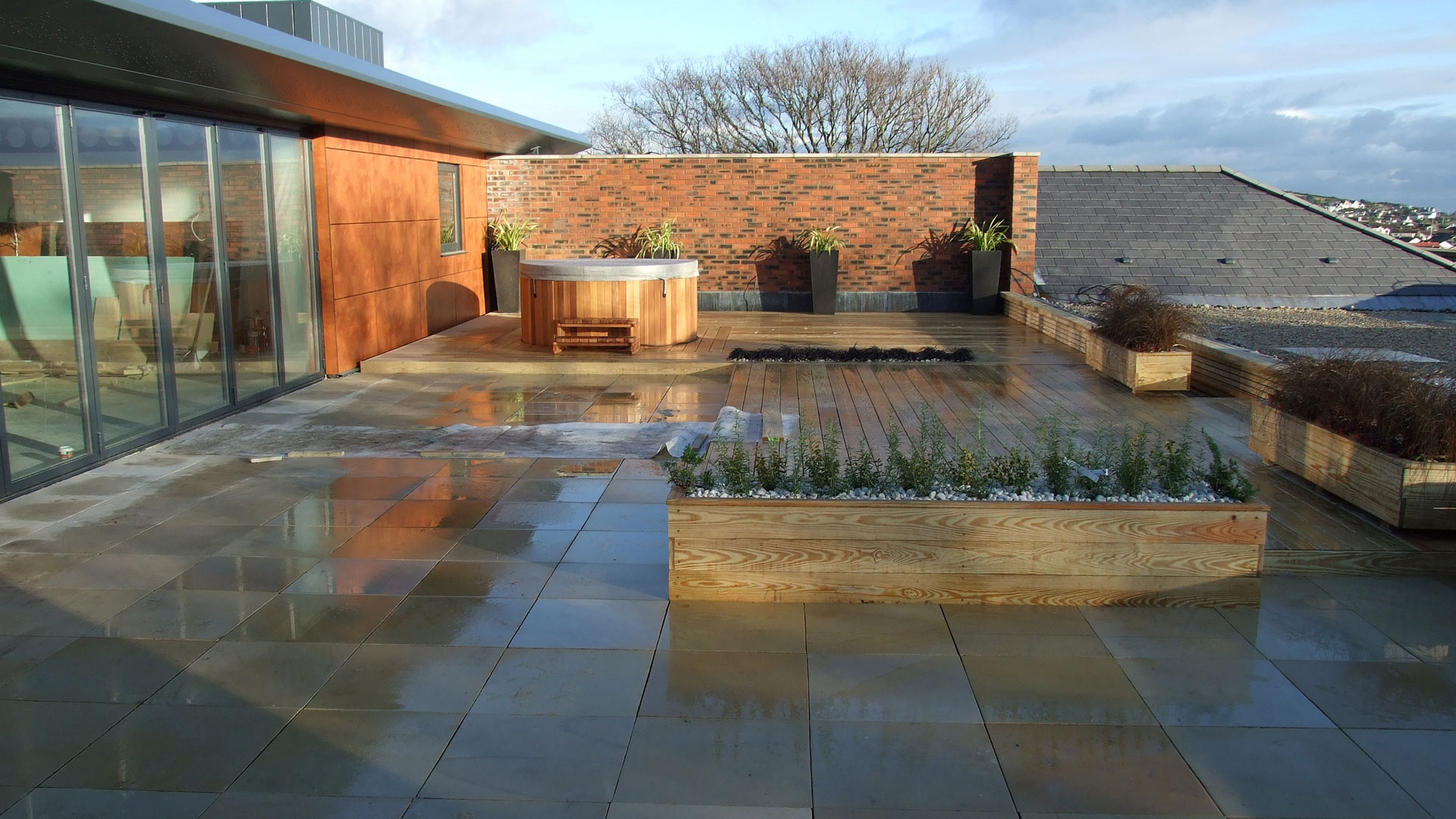
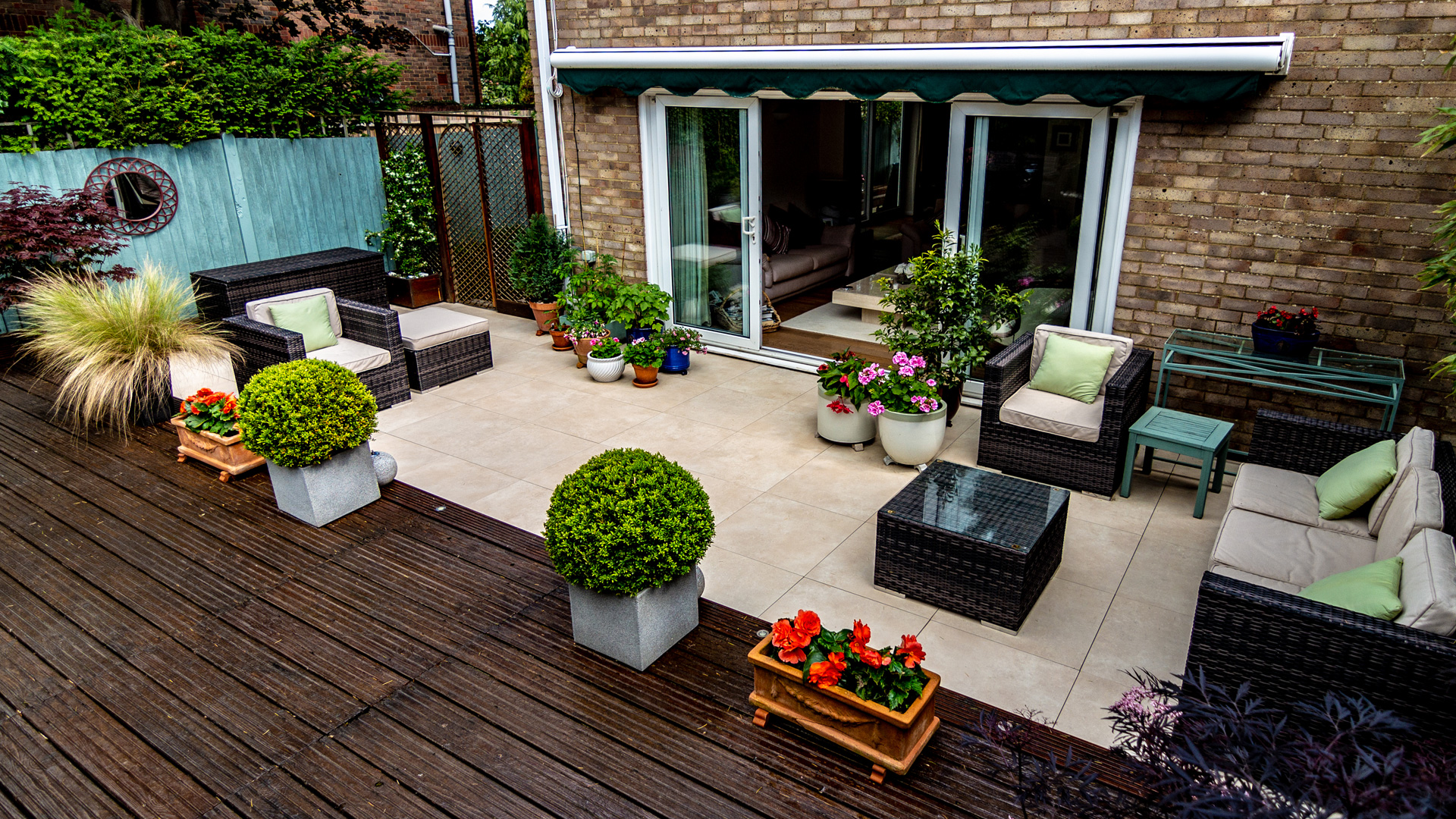
On many roof terraces, podium decks, balconies and ground floor spaces such as patios and gardens, the real test comes at the perimeter. It is here that support conditions change, paving or tiles are cut to suit the available space, thresholds become tighter and detailing becomes less forgiving. These are also the areas where visual quality is most exposed and where long-term confidence in the scheme can begin to weaken if these conditions are not considered early enough.
Just as importantly, on raised or suspended paving systems, the perimeter often does more than define the edge condition. It frequently establishes the finished floor level for the entire scheme.
In many cases, it is the threshold detail at a doorway that dictates the finished paving level. That level then drives the height of the pedestal system and influences the build-up across the whole space. In other words, the perimeter is not simply where the scheme ends. It is often where the wider system begins.
That is why perimeter detailing deserves much more attention than it often receives. It is not simply a finishing matter. It is a design, specification and performance issue.
Why the perimeter is technically more demanding
Across the central field of a raised paving scheme, support is usually regular. Full-size slabs or tiles sit on a consistent pedestal arrangement and the layout tends to follow a predictable pattern. Once the design reaches the edges, that consistency starts to disappear.
Slabs may need to be cut down to suit abutments, parapets, balustrades or changes in geometry. Step edges and exposed perimeters introduce new junctions. Support points may no longer fall as neatly beneath the paving units. What appears to be a simple continuation of the paving layout becomes a more technically sensitive part of the design.
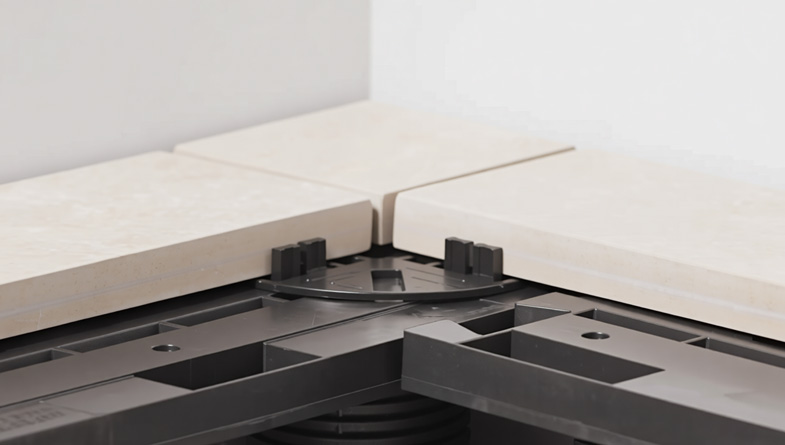
There can be a tendency to think of perimeter conditions as details that can be worked out on site once the main installation is underway. In reality, that approach often creates avoidable risk. Smaller cut slabs can be more susceptible to movement if they are not fully supported, creating both practical and health and safety concerns where secure paving units are essential. Open edges can look unfinished or inconsistent if the interface between the horizontal paving surface and the vertical face is not well handled.
This is also where planning has a direct effect on installation efficiency. If edge conditions are left to contractors to resolve at the last minute, solutions often have to be devised in the moment under site pressure. When perimeter detailing is considered earlier and supported by system-led products, installers can work faster, with greater confidence, and with a much better chance of achieving a secure and visually consistent finish.
And because the perimeter often contains the threshold condition that sets the finished floor level, any lack of clarity at the edge can have consequences beyond the detail itself. If the critical perimeter level has not been properly resolved, the wider build-up can quickly become harder to coordinate.
Compliance needs to be considered early too
There is also a regulatory dimension that should be part of the discussion from the outset.
In residential or occupied buildings over 11 metres, plastic pedestal components should not be used. Fire-rated systems are required in these applications, which means system selection and detailing decisions need to be considered together rather than in isolation.
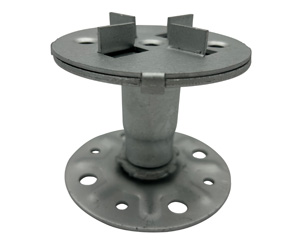
That is another reason perimeter planning matters. If the perimeter is often where finished floor levels, threshold details and edge conditions are established, it also becomes one of the key points where compliance requirements need to be understood early. Wallbarn does offer fire-rated paving and decking products for these situations, helping designers and contractors address both detailing and regulatory demands within the wider system strategy.
Why this matters for specification
For architects and specifiers, the lesson is clear. Perimeter detailing should not be left until the end of the design process. It should be considered as part of the overall support strategy from the beginning.
That means asking a different set of questions much earlier. What threshold level is governing the finished floor level. How will that level influence the height range and adjustment requirements of the support system. How will cut paving units be supported at walls and upstands. How will exposed edges be finished so they remain secure as well as visually clean. And does the specified system provide a coordinated way of dealing with these conditions, or does it rely on site improvisation once installation begins.
These questions matter because perimeter conditions are often where several project demands intersect at once. Visual quality, support stability, drainage, access for adjustment, threshold coordination, compliance and sequencing all come together in the same zone. When that complexity is underestimated, the perimeter becomes the point where quality starts to fall away.
For contractors, this is rarely a theoretical problem. Site conditions are seldom ideal. Substrates may vary. Thresholds may be tighter than expected. Surrounding elements can affect the available layout. Installers are then left trying to maintain the design intent while solving practical constraints on the ground.
That is precisely why edge conditions need to be thought through before installation starts.
From product supply to system thinking
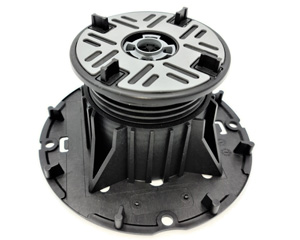
A pedestal should not be judged only on whether it can achieve a certain height or support a stated load. Those criteria are essential, but they are not the whole story. A good raised paving system also needs to perform in the difficult parts of the installation. It needs to allow for adjustment where access is awkward, maintain support where slab sizes change and help installers create a finish that feels deliberate rather than improvised.
Because the finished floor level is often set at the perimeter, the support system must also be capable of working back from that governing point across the rest of the area.
This is where Wallbarn’s approach becomes important. By offering products that address these perimeter conditions as part of the wider system, these details can be considered in the planning stage rather than being left to site teams to solve at the last minute. That helps make installation easier for contractors, improves the security of smaller cut units, supports a better finished appearance and reduces time lost to on-the-spot problem-solving.
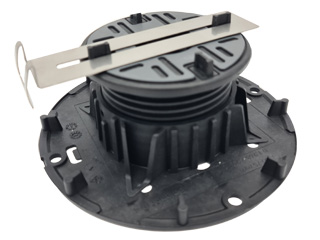
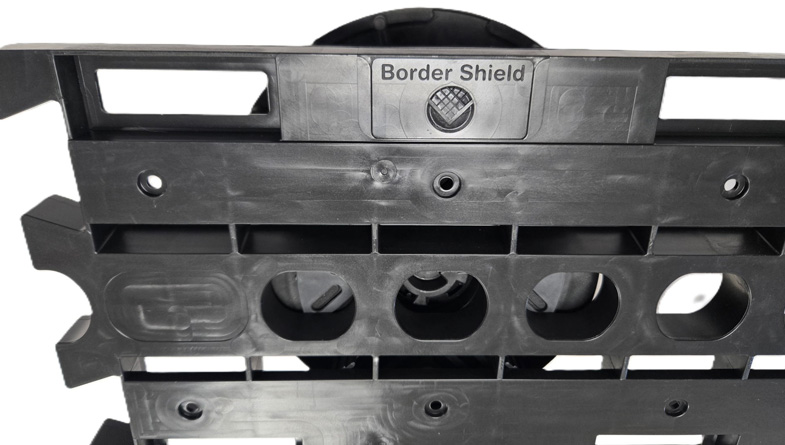
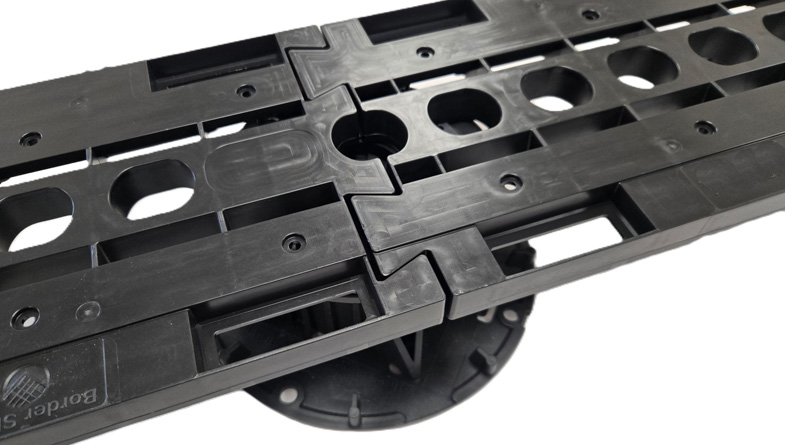
Accessories such as Border Shield and the Perimeter Edge Kit are useful examples of this. They reflect an understanding that cut slabs at walls and upstands need more reliable support, and that open-edge details require a more considered interface between the horizontal paved surface and the vertical face. In that sense, they are not simply product additions. They are part of a system-led response to recurring site challenges.
Final thought
Raised paving schemes are often judged by their surface appearance, but their quality is frequently revealed at the perimeter.
It is at the edges that support becomes less straightforward, detailing becomes more exposed and the difference between a well-considered specification and a reactive one becomes easier to see. It is also often where the finished floor level is set, influencing the height and coordination of the entire support system beyond it.
When perimeter conditions are under designed, the finished scheme can begin to lose quality at exactly the points where confidence matters most.
That is why perimeter detailing deserves far more attention in raised paving design than it often receives.
It affects stability. It affects appearance. It affects installation. It affects level coordination. And it affects whether a scheme feels properly resolved once complete.
For architects, specifiers and contractors, the perimeter is not the final detail to tidy up after the main work is done. It is one of the key places where the success of the whole installation is determined.
For Wallbarn, that reinforces an important position. Real value does not come from supplying components alone. It comes from helping the market solve design and installation challenges with systems shaped by practical experience, technical understanding and the realities of construction on site.
For support with detailing, specification or accurate estimating on your next project, Wallbarn’s Technical Team is here to assist – Contact Wallbarn