Next Day Delivery order before 2pm
  Order / Enquire Now
 Call 020 8916 2222
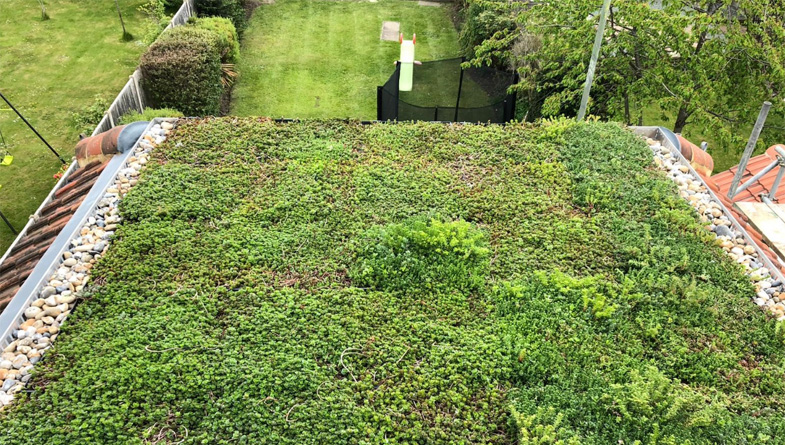
Green roofs are living systems that require thoughtful care and periodic attention to perform at their best. While modern systems such as M-Tray and roll-out green roofs are designed to be relatively low-maintenance, they are not entirely maintenance-free.
A well-planned maintenance schedule ensures that vegetation remains healthy, drainage systems function properly, and the roof continues to deliver its environmental, structural, and aesthetic benefits over the long term. This guide explains how to care for a green roof throughout the year, outlining key tasks and best practices for sustainable roof management in the UK.
Why Maintenance Matters for Green Roofs
Regular maintenance is essential to protect both the green roof and the underlying building structure. Over time, debris, weeds, and organic build-up can negatively impact plant health and drainage performance if left unmanaged.
Taking a proactive approach helps prevent small issues from developing into costly problems. It also ensures that the roof continues to support biodiversity, manage rainwater effectively, and provide insulation benefits.
For a broader understanding of system options and how maintenance fits into overall performance, it is useful to explore the full green roof installation and maintenance range.
Understanding Your Green Roof Type
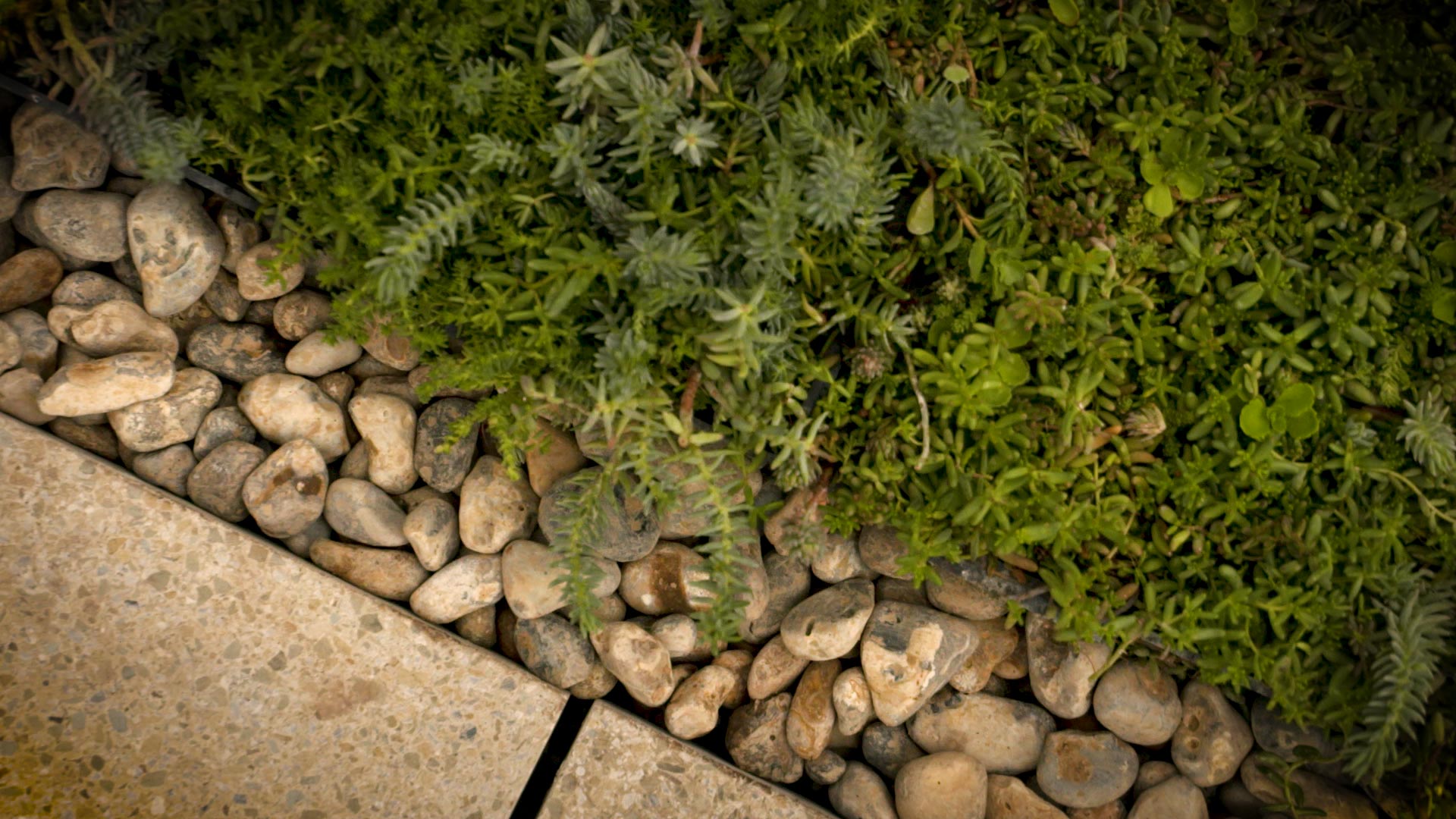
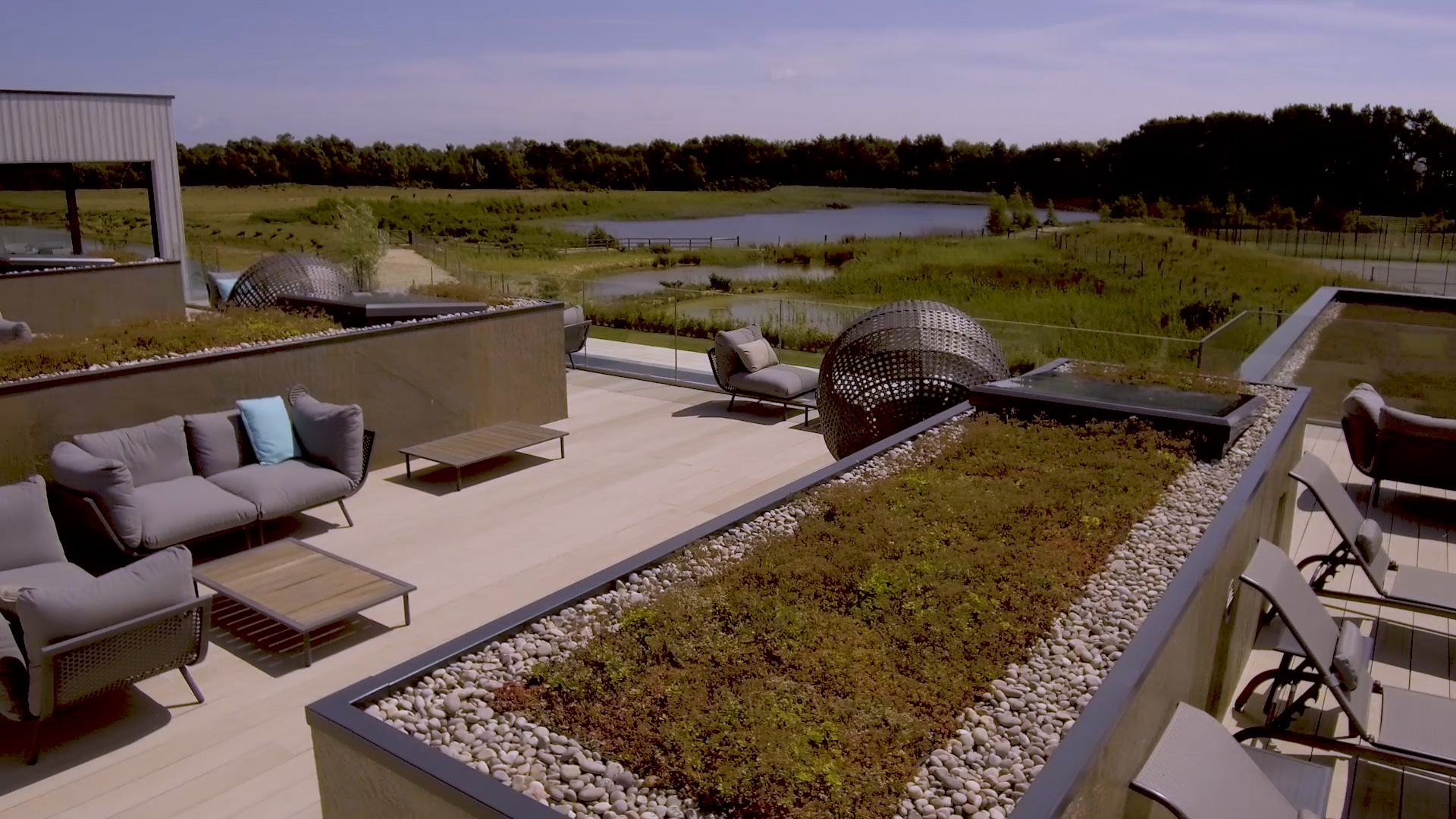
Different green roof systems require slightly different levels of care. Extensive systems, such as sedum-based roll-out roofs or modular M-Tray installations, generally require less maintenance than intensive green roofs with deeper planting and more complex vegetation.
Understanding your specific system is key to creating an effective maintenance plan. A structured approach, such as the one outlined in this green roof maintenance schedule, can help ensure nothing is overlooked throughout the year.
Spring Maintenance: Reawakening the Roof
Spring is an important time for green roof care as plants begin to grow again after winter dormancy.
During this period:
- Inspect vegetation for signs of damage
- Clear debris such as leaves and twigs
- Check drainage outlets are free-flowing
- Address any bare or underperforming areas
This is also an ideal time to carry out any light repairs or adjustments to ensure the roof is ready for the growing season ahead.
Summer Maintenance: Supporting Growth
Summer brings increased plant activity but can also present challenges, particularly during extended dry spells.
Although many green roof plants are drought-tolerant, additional watering may occasionally be required. Regular inspections should also be carried out to:
- Remove invasive weeds
- Monitor plant health
- Ensure drainage systems remain clear
Consistent care during summer helps maintain strong, healthy vegetation.
Autumn Maintenance: Preparing for Winter
Autumn maintenance focuses on preparing the roof for colder months.
Fallen leaves and organic debris should be cleared regularly to prevent blockages and plant damage. This is particularly important for roofs located near trees.
It is also a good time to review overall plant coverage and address any issues before winter conditions set in.

Winter Maintenance: Monitoring and Protection
Maintenance requirements are generally lower during winter, but periodic checks are still essential.
Key tasks include:
- Ensuring drainage outlets are not blocked
- Checking for damage after storms or heavy weather
- Monitoring snow accumulation where necessary
In most cases, snow can be left to melt naturally, as it can provide an additional layer of insulation.
Managing Weeds and Unwanted Growth
Weed control is an ongoing part of green roof maintenance. Unwanted plants can compete with established vegetation for nutrients and water, affecting overall performance.
Regular inspections and manual removal help maintain a balanced plant ecosystem and prevent invasive species from taking hold.
Monitoring Drainage and Water Flow
Effective drainage is critical to the longevity of any green roof. Over time, organic material can build up and restrict water flow.
Routine checks should include:
- Clearing drainage outlets
- Inspecting overflow points
- Ensuring water can move freely across the roof
Maintaining proper drainage helps prevent pooling and protects the underlying structure.
Caring for Different Plant Types
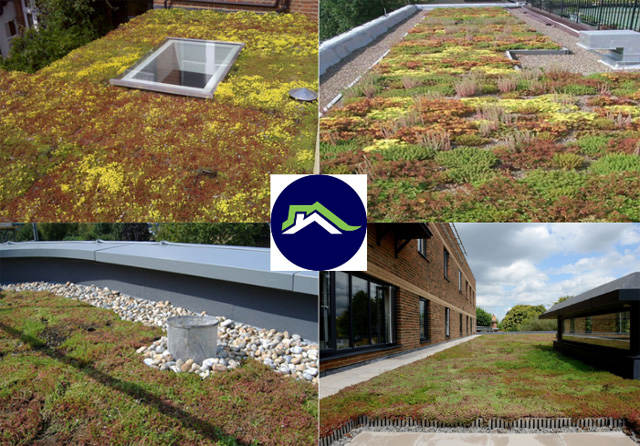
Maintenance requirements can vary depending on the type of vegetation used. Sedum roofs generally require minimal care, while wildflower or biodiverse systems may need more attention to maintain species balance.
Occasional trimming or selective management may be necessary to prevent certain plants from becoming dominant.
Fertilisation and Soil Health
Most extensive green roofs are designed to thrive in low-nutrient conditions and do not require frequent fertilisation. However, if plant growth appears weak, a light application of slow-release fertiliser may be beneficial.
Any fertilisation should be carried out carefully to avoid excess runoff or environmental impact.
Safe Access and Maintenance Practices
Safety should always be a priority when accessing and maintaining a green roof. Clearly defined access points, walkways, and edge protection are essential.
For larger or more complex systems, it is often advisable to follow a structured approach such as the M-Tray installation and maintenance guide, which provides practical guidance on safe and effective upkeep.
Professional Maintenance Support
While some maintenance tasks can be carried out in-house, professional services can provide specialist expertise and ensure long-term performance.
Professional maintenance typically includes:
- Detailed inspections
- Plant management
- Drainage checks
- Tailored maintenance planning
This can be particularly beneficial for commercial or large-scale installations.
Long-Term Benefits of Regular Maintenance
A well-maintained green roof continues to deliver consistent benefits over time. These include:
- Improved biodiversity
- Effective rainwater management
- Enhanced building performance
- Extended roof lifespan
Regular care helps protect your investment while ensuring ongoing environmental value.
Preventing Common Issues
Common issues such as drainage blockages, weed growth, and uneven vegetation can usually be prevented through routine inspections and early intervention.
Following a clear maintenance plan ensures that potential problems are identified and resolved before they escalate.
Final Thoughts on Green Roof Maintenance
Green roofs are a valuable investment in sustainability, environmental performance, and building longevity. However, they require ongoing care to maintain these benefits.
By following a structured, year-round maintenance approach, building owners can ensure their green roof remains healthy, attractive, and effective for many years to come.
Ready to Keep Your Green Roof Performing at Its Best?
If you are looking for expert advice or support with maintaining your green roof, Wallbarn is here to help.
Call +44 (0)20 8916 2222 or email sales@wallbarn.com to discuss your maintenance requirements and ensure your green roof continues to perform at its full potential.