Next Day Delivery order before 2pm
  Order / Enquire Now
 Call 020 8916 2222
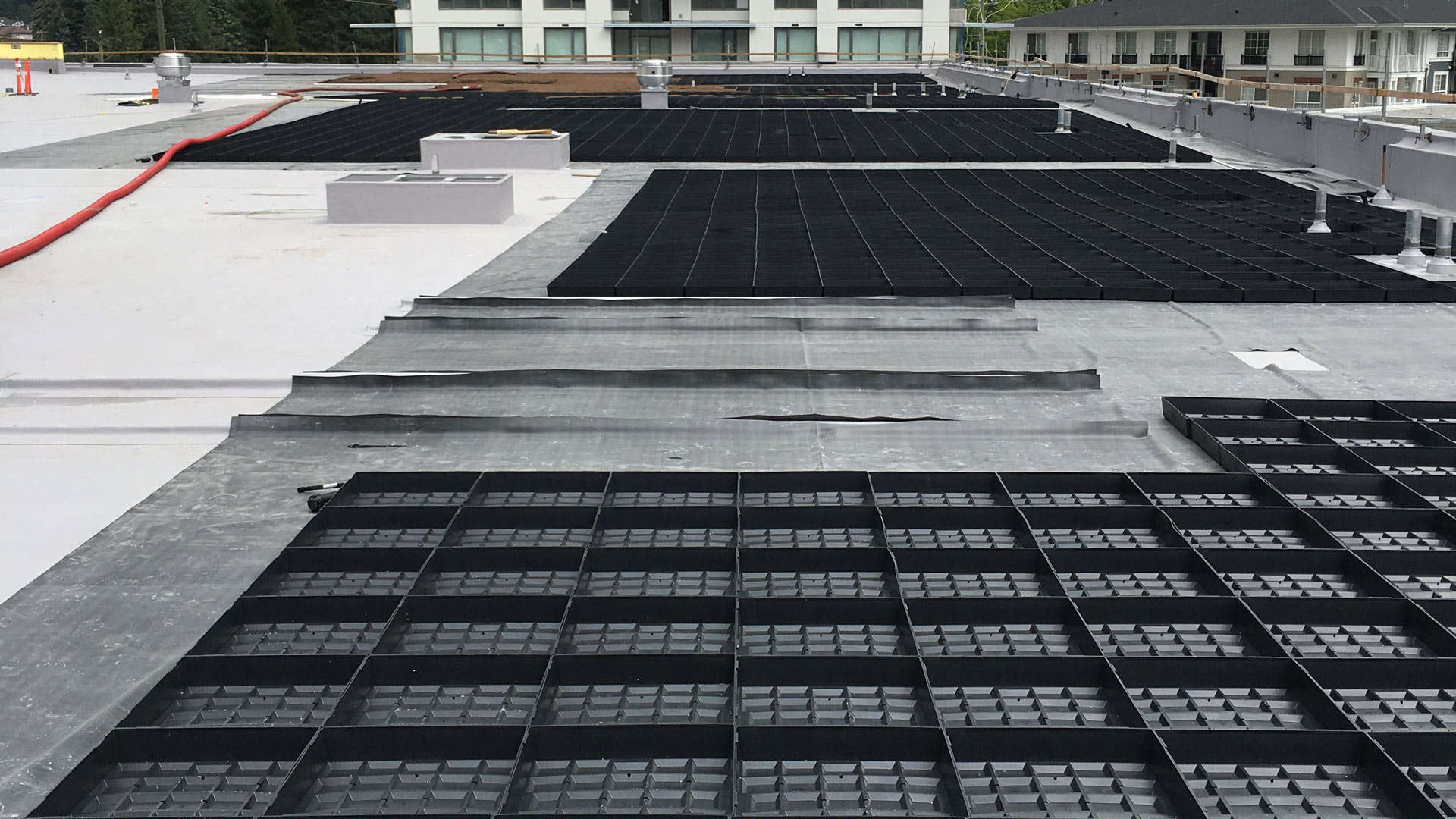
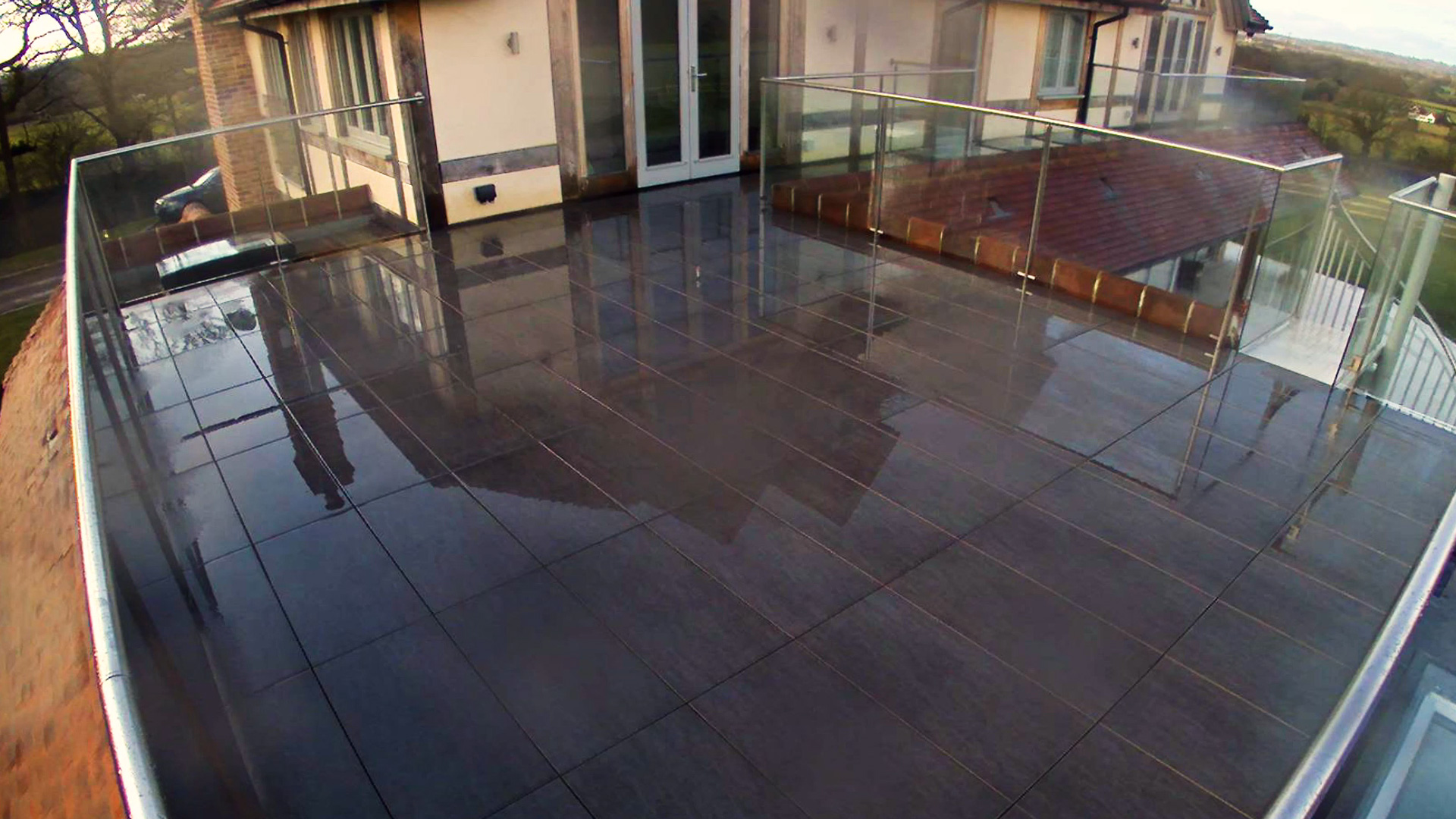
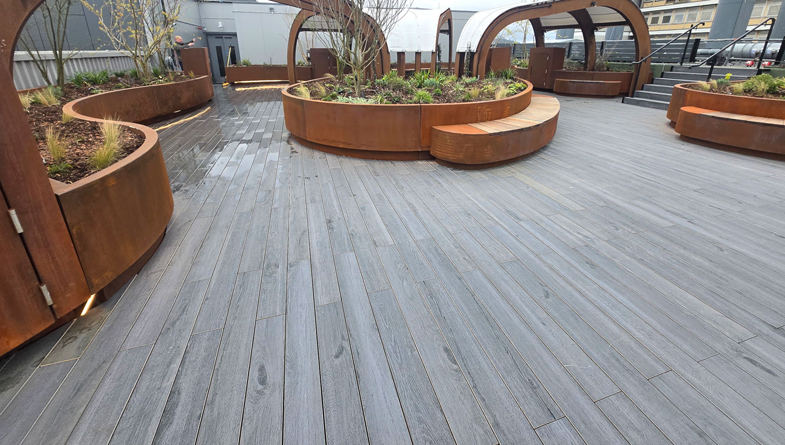
Urban dwellers are increasingly finding themselves disconnected from nature, a shift that has measurable impacts on mental health. However, amidst this urban sprawl, green roofs present a promising oasis that can significantly enhance urban wellness. Systems such as non-combustible porcelain decking and robust support frameworks make it possible to safely introduce greenery into even the most complex rooftop environments.
This blog explores the profound relationship between green roofs and mental health, offering a fresh perspective on how integrating nature into urban design can be a transformative tool for improving the mental and emotional well-being of city residents.
The Psychological Impact of Urban Living
Cities, while hubs of activity and opportunity, also pose unique challenges to mental health. Urban stressors such as noise pollution, high population density, and a pronounced lack of green spaces can contribute to the development of anxiety and depression.
Common urban stress factors include:
- Noise pollution from traffic and construction
- Overcrowding and limited personal space
- Reduced access to natural environments
- Constant exposure to built, artificial surroundings
Furthermore, the absence of natural elements can exacerbate feelings of stress and fatigue, making it increasingly important to reintroduce nature into urban living.
How Green Roofs Can Make a Difference
A Tranquil Retreat
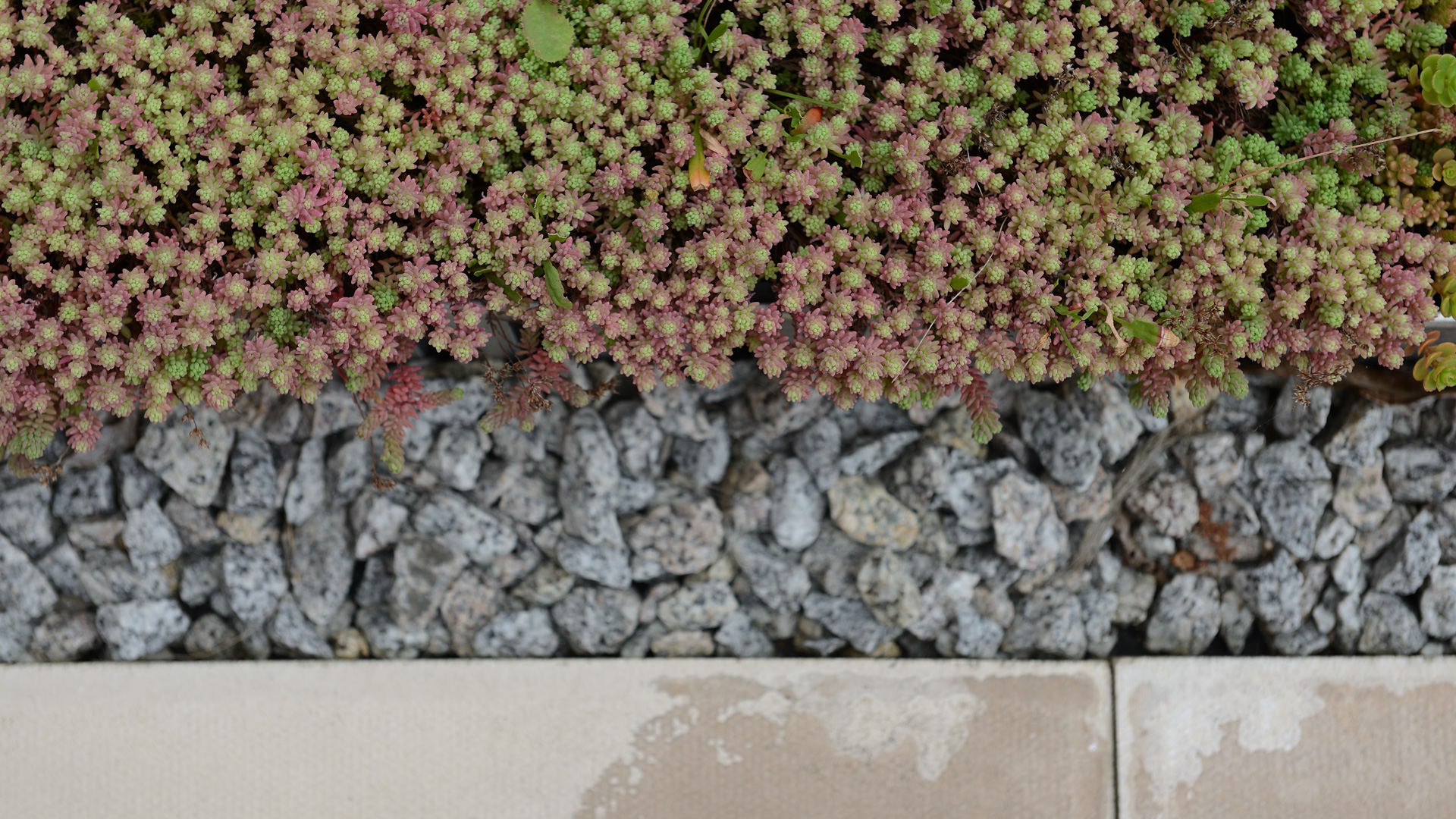
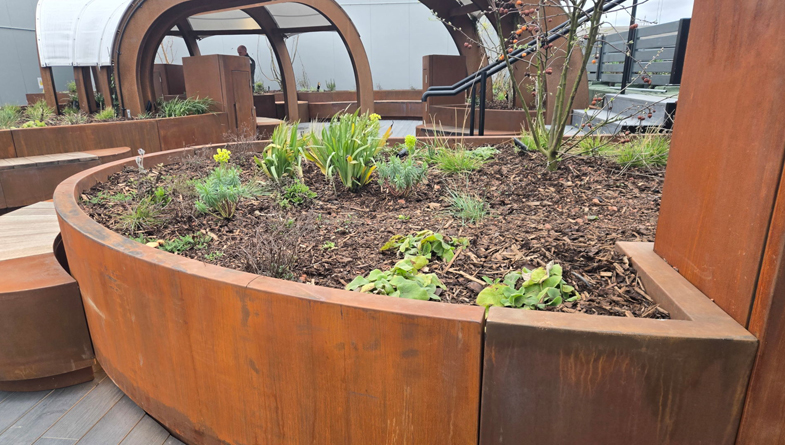
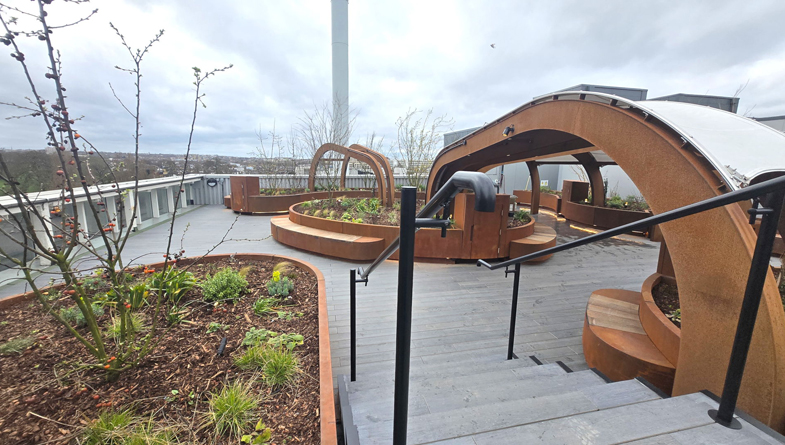
Green roofs offer a peaceful retreat from the urban chaos. The presence of plants and greenery can be profoundly soothing, providing a space for relaxation and contemplation.
Benefits of green rooftop environments include:
- Reduced stress levels
- Improved mood and emotional wellbeing
- Enhanced focus and cognitive function
- A sense of escape from urban pressures
Studies have shown that even brief exposure to green spaces can significantly improve mental health outcomes.
Enhancing Aesthetic Value
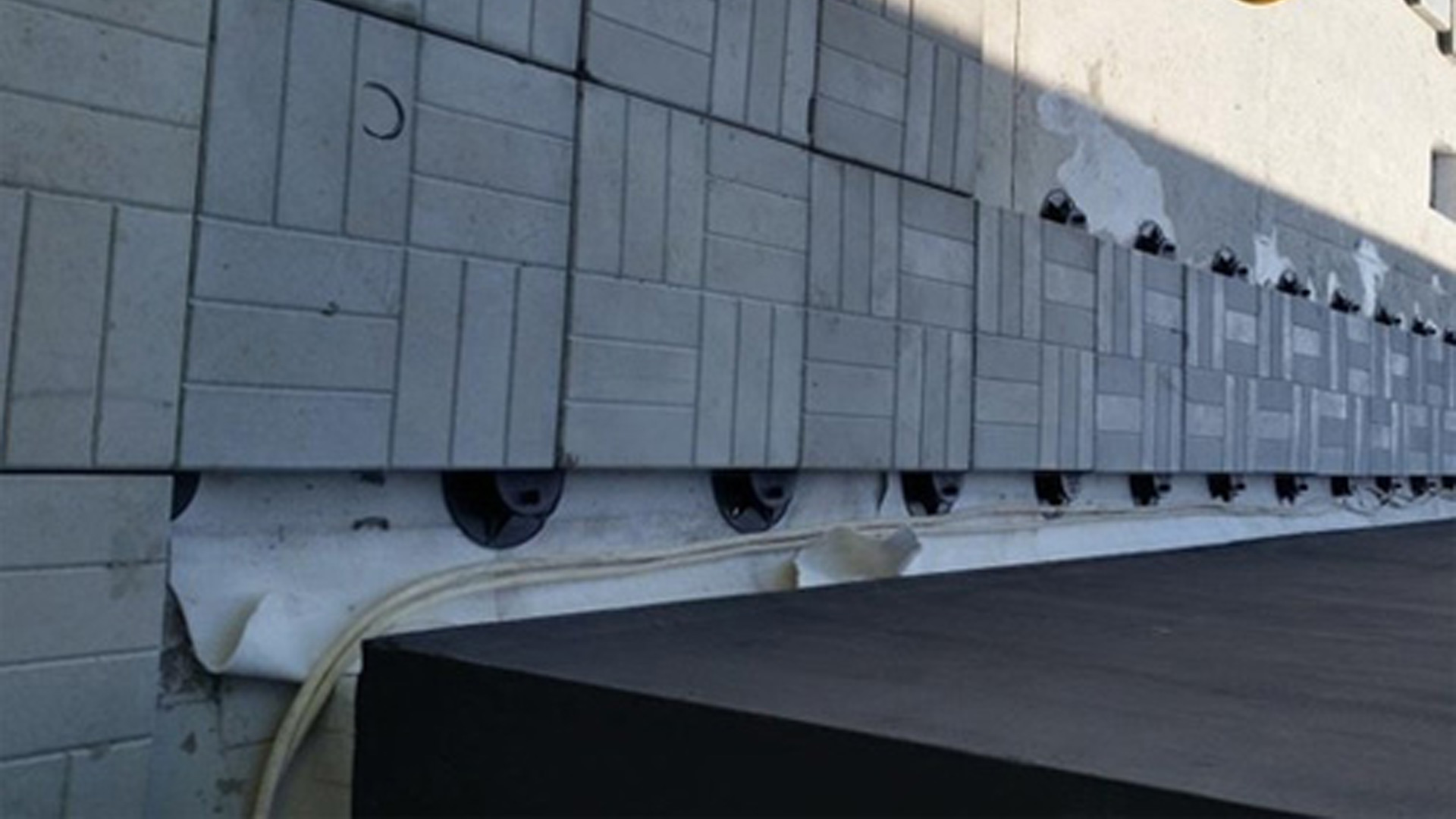
Urban aesthetics play a significant role in how we perceive and interact with our environment. Green roofs transform unused roof areas into visually appealing spaces, particularly when supported by adaptable systems such as a Class A1 rail substructure system, which enables flexible layouts and long-term structural stability.
Key aesthetic benefits include:
- Turning unused roofs into vibrant green spaces
- Improving views from surrounding buildings
- Creating visually calming environments
- Enhancing overall urban design quality
The improved visual landscape alone can have a therapeutic effect, promoting relaxation and emotional uplift.
Promoting Physical Activity
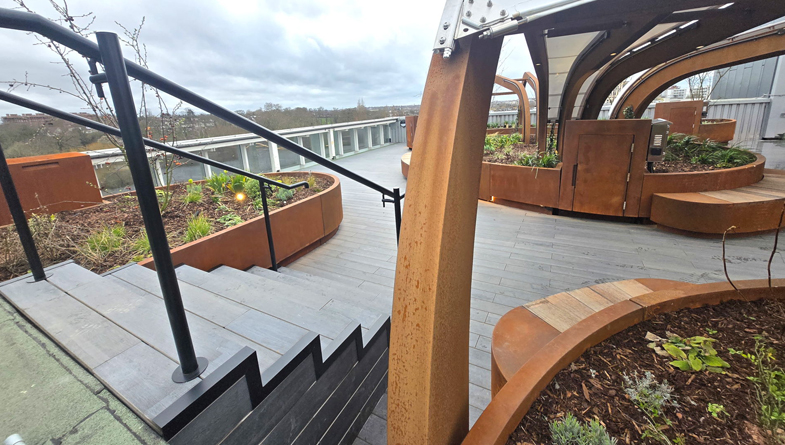
Green roofs can also encourage physical activity, which is closely linked to improved mental health.
Typical activities supported by green roofs include:
- Light gardening and planting
- Walking or gentle exercise
- Yoga and mindfulness practices
- Social interaction in outdoor settings
Physical activity in natural environments has been shown to be more beneficial than indoor exercise, further highlighting the value of green infrastructure.
Case Studies and Research
Real-world examples demonstrate the growing importance of green roofs in urban environments.
Toronto’s City Hall
One of the most iconic examples is the green roof on Toronto’s City Hall, which provides:
- A public green sanctuary in a dense urban area
- Flowering plants and biodiversity
- A calming contrast to the surrounding cityscape
Research from Scandinavia
Studies in Scandinavia have linked green roofs with:
- Reduced stress levels
- Lower heart rates
- Increased satisfaction with living environments
These findings reinforce the psychological benefits of integrating greenery into urban design.
Germany’s Urban Planning
In Germany, green roofs have become a standard feature in many developments. Their widespread use has helped to:
- Promote community interaction
- Improve urban living conditions
- Support mental and environmental wellbeing
These examples highlight how green roofs can be successfully delivered using durable systems such as non-combustible porcelain decking and structurally reliable frameworks.
Broader Implications for Urban Wellness
Green roofs offer benefits that extend beyond individual mental health, contributing to wider social and environmental improvements.
Social Interaction
Green roofs can act as communal spaces that encourage connection and interaction.
Social benefits include:
- Opportunities for shared activities
- Reduced feelings of isolation
- Stronger community relationships
- Improved overall wellbeing
Environmental Benefits
In addition to mental health benefits, green roofs contribute positively to the environment. When combined with engineered systems such as a Class A1 rail substructure system, they provide long-term sustainable solutions.
Environmental advantages include:
- Improved air quality
- Reduction in urban heat island effects
- Enhanced biodiversity
- Better stormwater management
Economic Advantages
Investing in green roofs can also deliver economic value.
Key economic benefits include:
- Increased property value
- Reduced energy costs
- Lower healthcare costs linked to improved wellbeing
- Higher productivity in urban environments
A Smarter Approach to Urban Design
Modern green roof projects are increasingly supported by advanced systems and materials that ensure both safety and longevity. For example, projects like the King’s College Hospital rooftop CCU case study demonstrate how innovative rooftop environments can be delivered in highly regulated settings.
These projects rely on:
- Fire-compliant materials
- Durable structural systems
- Flexible design solutions
- Long-term performance capabilities
Together, these elements make green roofs a viable solution for both residential and commercial developments.
Related Systems & Solutions
To support the successful delivery of green roof and rooftop environments, a range of specialist systems and materials can be utilised. Explore the following solutions:
- Non-combustible porcelain decking systems
- Class A1 rail substructure systems
- Rooftop CCU garden case study – King’s College Hospital
These solutions demonstrate how safety, performance, and design flexibility can be combined to deliver high-quality rooftop spaces in even the most demanding environments.
Conclusion
As urban populations continue to grow, the importance of integrating nature into our cities becomes increasingly critical. Green roofs are not merely an aesthetic enhancement but a vital component of modern urban design.
They offer a wide range of benefits, including:
- Improved mental health and wellbeing
- Enhanced environmental performance
- Greater social interaction
- Long-term economic value
By incorporating systems such as non-combustible porcelain decking and structurally sound solutions like the Class A1 rail substructure system, green roofs can be safely and effectively implemented across a wide range of projects.
Ultimately, they provide a sustainable and forward-thinking solution to the challenges of urban living, helping to create healthier, happier cities for future generations.