Next Day Delivery order before 2pm
  Order / Enquire Now
 Call 020 8916 2222
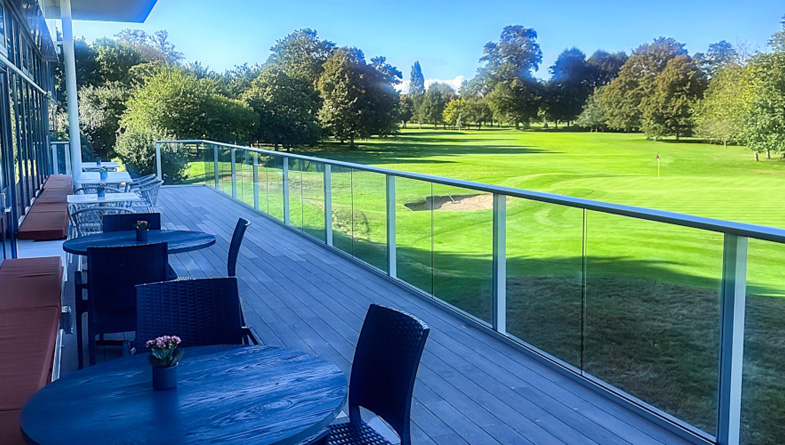
Founded in 1901, the Roehampton Club is one of south west London’s most prestigious private members’ clubs, renowned for its heritage, beautifully landscaped grounds and extensive sporting facilities. Overlooking manicured gardens and a golf course, the Club’s buildings reflect a long-standing commitment to quality and refinement.
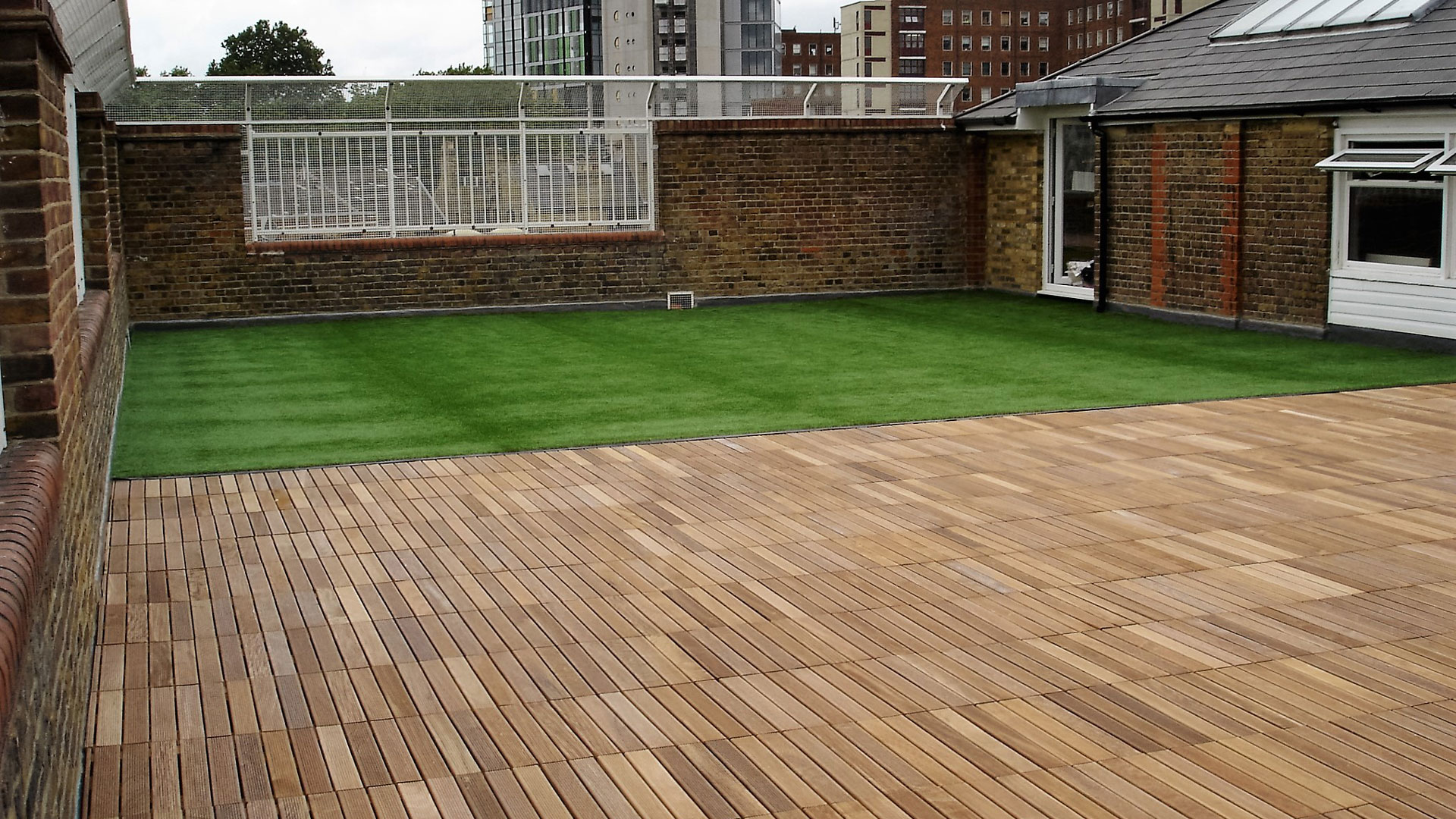
As part of a broader programme of upgrades, the Roehampton Club commissioned the redevelopment of its first-floor terrace to create a larger, more durable and fully compliant outdoor space. Wallbarn was engaged to supply a complete Class A fire-rated decking system – from substructure through to surface finish – delivering both the technical assurance and aesthetic excellence required for such a high-profile venue.
For a full overview of the project, you can view the official Roehampton Club terrace redevelopment case study.
Expanding and Futureproofing an Elevated Terrace
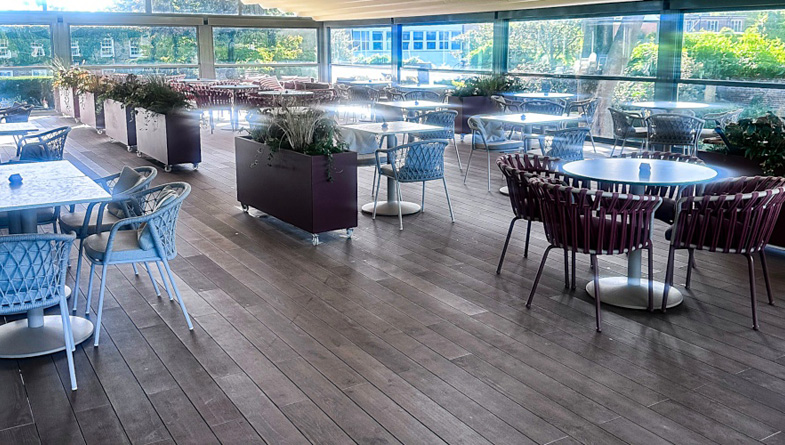
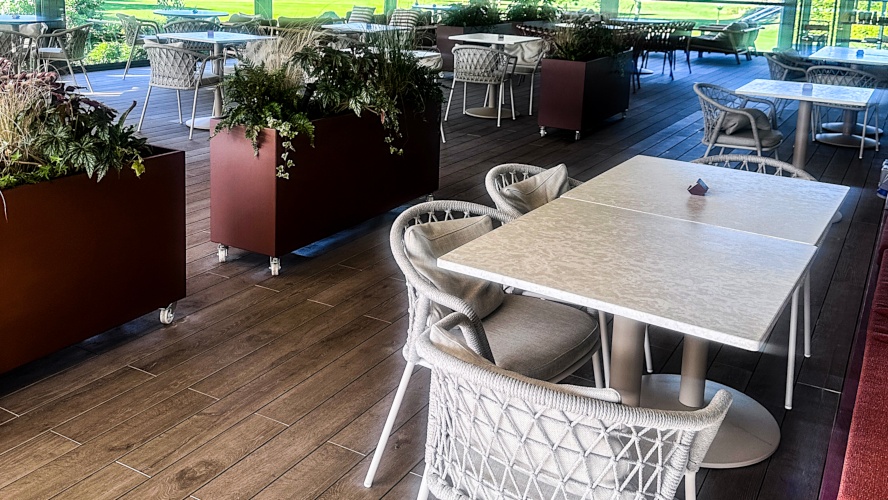
The project involved replacing a relatively small, timber-framed terrace with a significantly larger, fully fire-rated decking system at first-floor level. A new cantilevered steel frame was constructed from the existing structure, forming an elevated terrace spanning approximately 275 square metres.
Given the building’s height and usage, the requirement for a non-combustible solution was paramount. Wallbarn was asked to provide a complete Class A fire-rated system, including:
- Fire-rated substructure components
- Aluminium joists and support framework
- Teca-coloured porcelain decking boards from Wallbarn
- Perimeter detailing and stair finishes
From the outset, the system needed to achieve:
- Full compliance with fire regulations
- Long-term durability
- A refined, contemporary finish suitable for a prestigious members’ club
Early Collaboration with the Design Team
Wallbarn worked closely with:
- Architects
- Design consultants
- Structural engineers
- The Project Manager
A detailed site inspection was carried out during the initial design phase to assess:
- Proposed layouts
- Build-up heights
- The configuration of the cantilevered steel structure
One key area of input was the steel span configuration. Wallbarn advised on aligning the steelwork spacing with the dimensions and performance of its aluminium joists, including systems such as the aluminium Box Rail substructure, ensuring:
- Structural efficiency
- Simplified installation
- Long-term performance
As the design evolved, adjustments were made to refine the terrace structure before installation began—ensuring technical, regulatory and aesthetic alignment.
Adapting to On-Site Variations
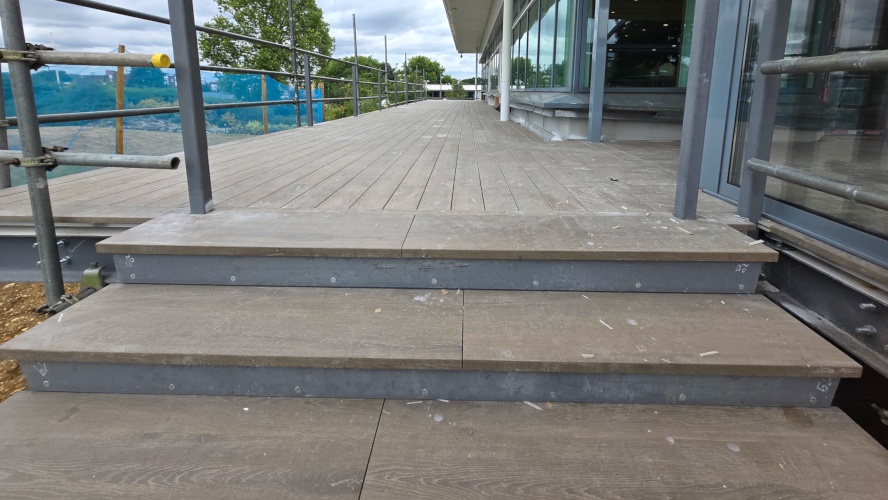
Once the cantilevered steel frame was installed, minor variations from the original drawings became apparent. Differences in steel levels required adjustments to achieve a consistent finished surface.
Wallbarn responded by:
- Issuing revised layout sketches
- Updating component specifications
- Providing technical support to installers
This collaborative approach ensured:
- Continued project momentum
- Maintained compliance
- No compromise on final quality
Engineering a Robust, Fire-Rated Substructure
The terrace was supported by a cantilevered steel I-beam frame extending from the building’s façade. While structurally sound, variations in levels required a flexible and engineered solution.
Wallbarn proposed a tailored combination of components from its Class A range, including:
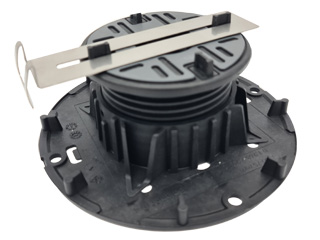
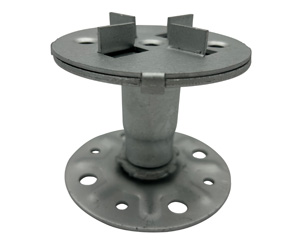
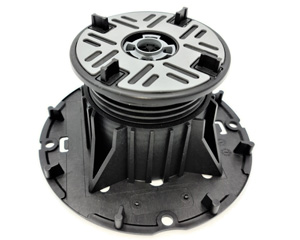
- Lower-height MetalPad Ex fire-rated pedestals
- Joist holders
- Aluminium Box Rail substructure systems in multiple profiles
Key benefits of this system included:
- Secure mechanical fixing directly to the steel frame
- Stable and adjustable support for the decking system
- Compatibility with non-combustible materials
Despite their low profile, the Box Rails delivered exceptional performance, with independently verified spanning capabilities of up to 800mm—providing both strength and installation flexibility.
This adaptability was crucial in:
- Correcting level variations
- Maintaining fire classification
- Ensuring structural integrity
Seamless Finishing with Exadeck Porcelain
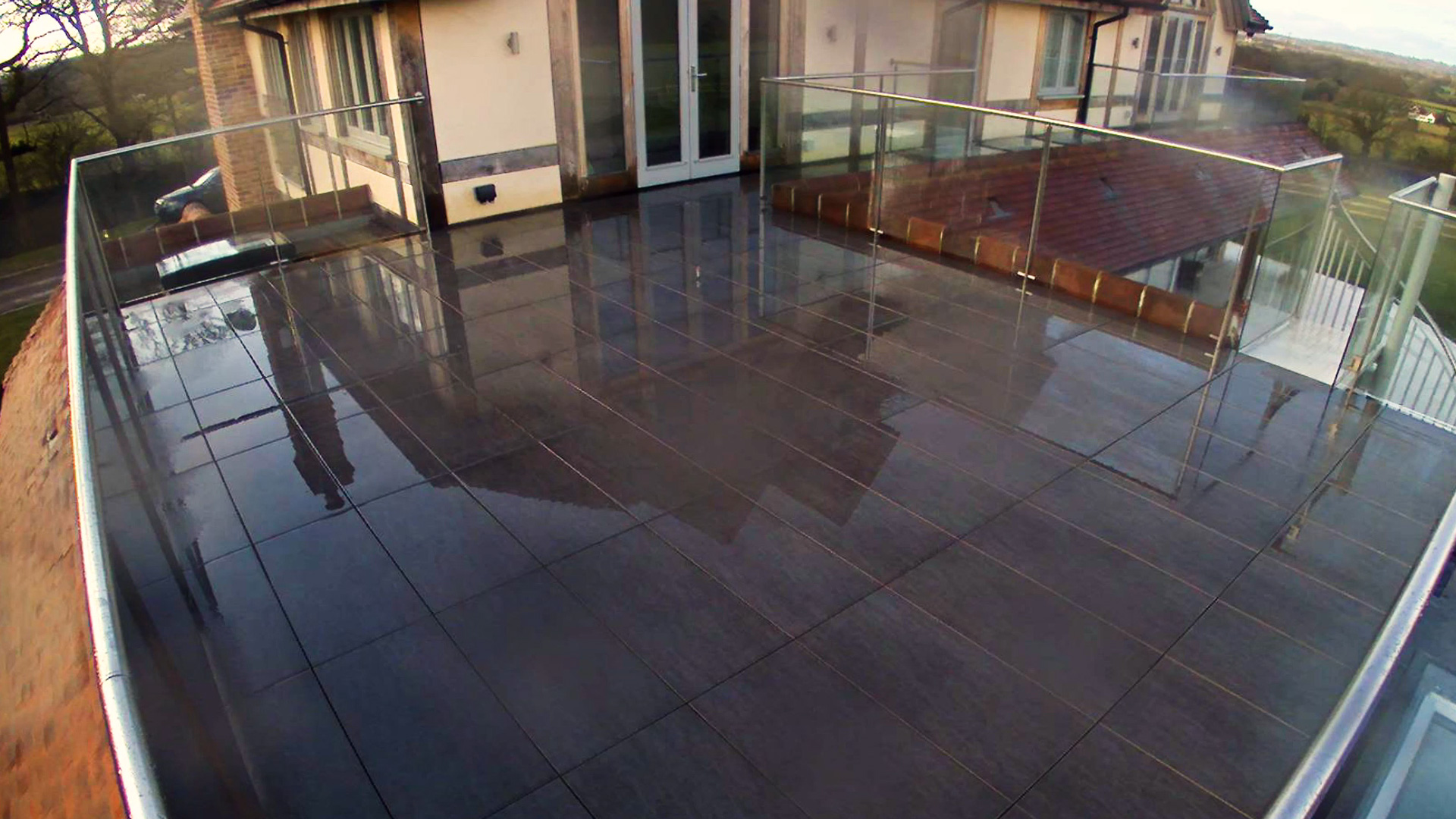
For the surface finish, Teca-coloured Exadeck boards were selected to deliver a refined and contemporary appearance. These non-combustible porcelain decking solutions provided:
- A premium aesthetic finish
- Long-term durability
- Full fire compliance
The 12mm porcelain boards were resin bonded into position, creating a solid, elegant surface.
Additional finishing details included:
- Bull-nosed boards for seamless edges
- Matching porcelain step tiles for staircases
- Consistent colour and texture across all elements
This ensured visual continuity across:
- The main terrace
- Stair treads
- Perimeter detailing
Importantly, the substructure remained fully concealed, preserving a clean and uninterrupted finish.
A Flexible System for Complex Requirements
This project highlighted the value of a fully integrated Class A system capable of adapting to real-world conditions.
Key advantages included:
- Flexibility to accommodate steel level variations
- Alignment of joist spacing with structural spans
- Compatibility across multiple components
By combining systems such as:
Wallbarn delivered a complete solution that met both performance and design requirements.
A Prestigious Outcome in South West London
The completed terrace now provides a:
- Spacious outdoor environment
- Durable and weather-resistant surface
- Visually refined setting overlooking landscaped grounds
It enhances the member experience while meeting modern fire safety and structural standards.
For a venue of this calibre, both technical performance and aesthetic detail were essential. Through:
- Early collaboration
- Responsive technical support
- Precision-engineered fire-rated systems
Wallbarn delivered a solution worthy of one of London’s most distinguished private sports clubs.
Conclusion
This project stands as a clear example of how:
- Thoughtful design integration
- Fire-rated innovation
- Close on-site collaboration
can transform an elevated terrace into a long-lasting architectural asset.
To explore the full project journey, visit the official Roehampton Club refurbishment case study.