Next Day Delivery order before 2pm
  Order / Enquire Now
 Call 020 8916 2222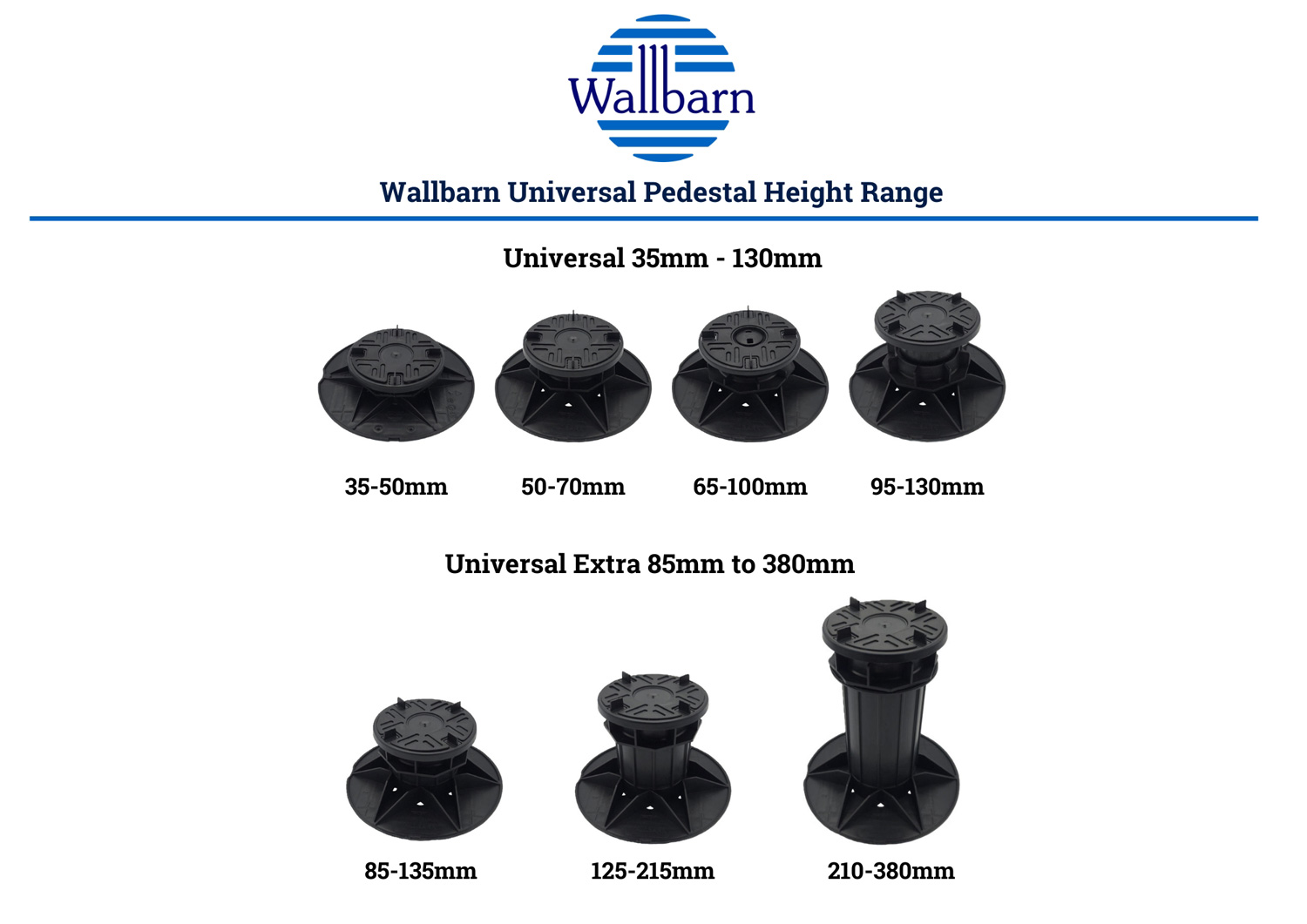
Pedestals


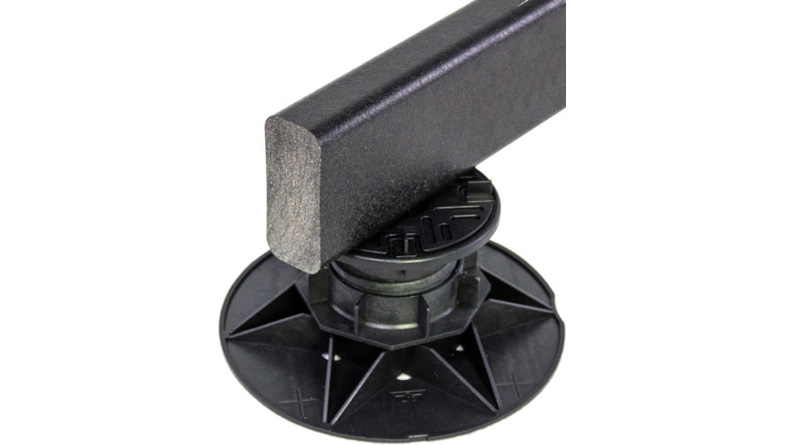


Universal pedestals
Key Advantages
- Suitable for paving and decking
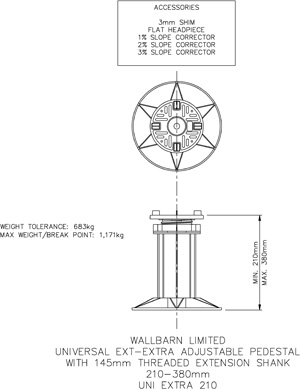
- Weight tolerance of 683kg with break point of over 1 tonne.
- Can be laid in temperatures from ‐40°C to + 75°C.
- Made from high quality virgin polypropylene
- Fully adjustable
- Resistant to sudden temperature changes, resists acid, alkaline and salts.
Universal Pedestals range in height from 35mm to 380mm
Close
Universal Pedestals Gallery Popup
-
Paving
-
Decking
-
Graphics
-
Videos
no images were found
Close
Paving Projects
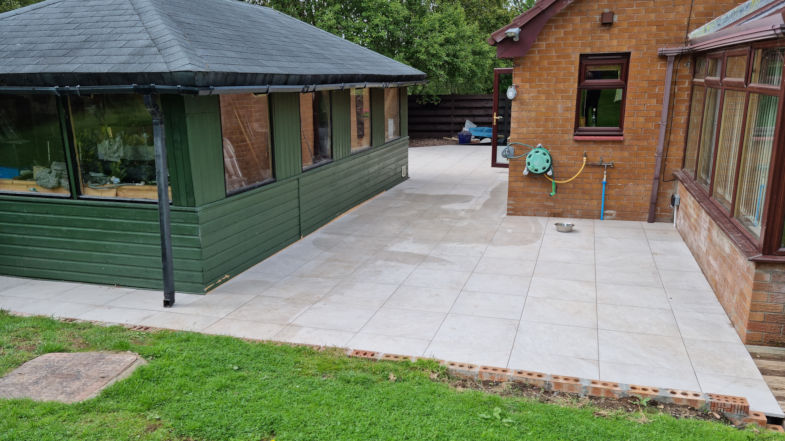
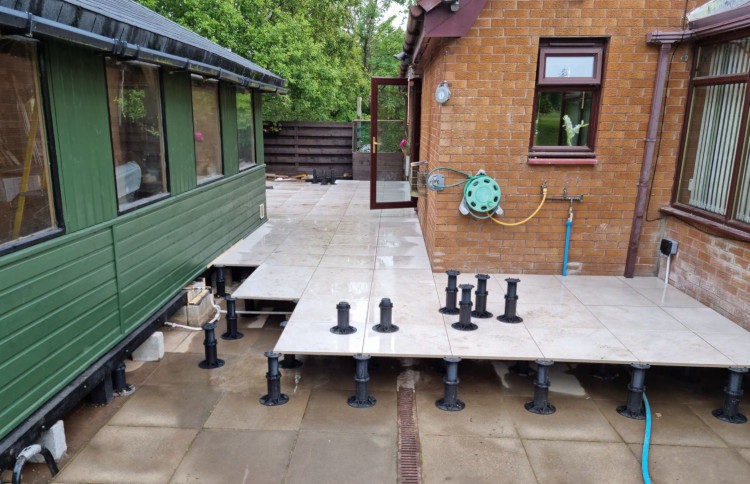
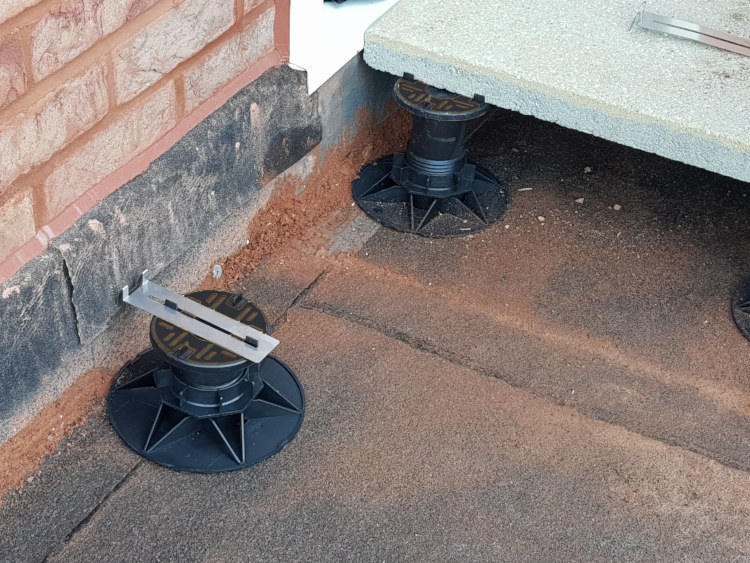
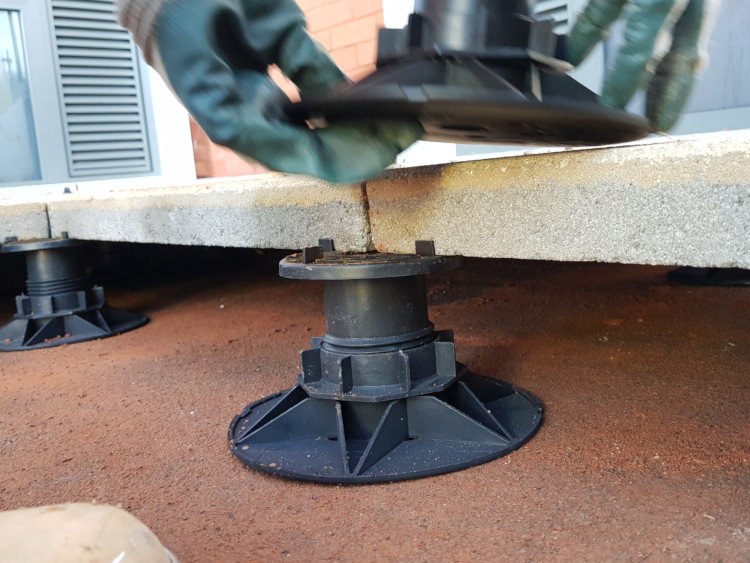
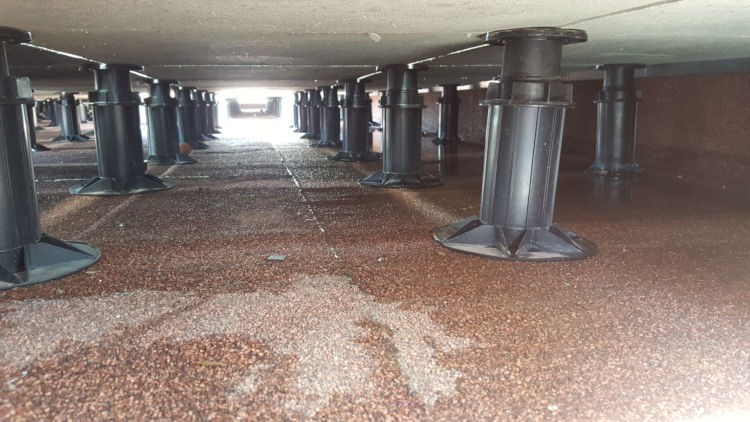
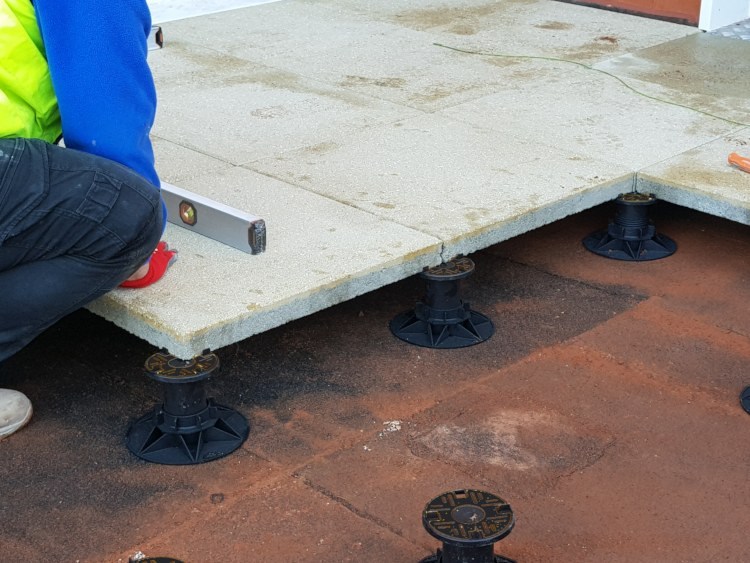
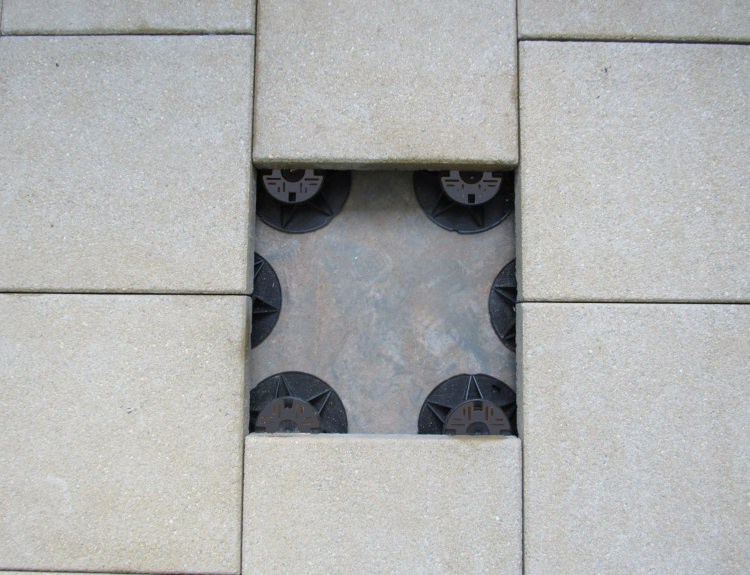
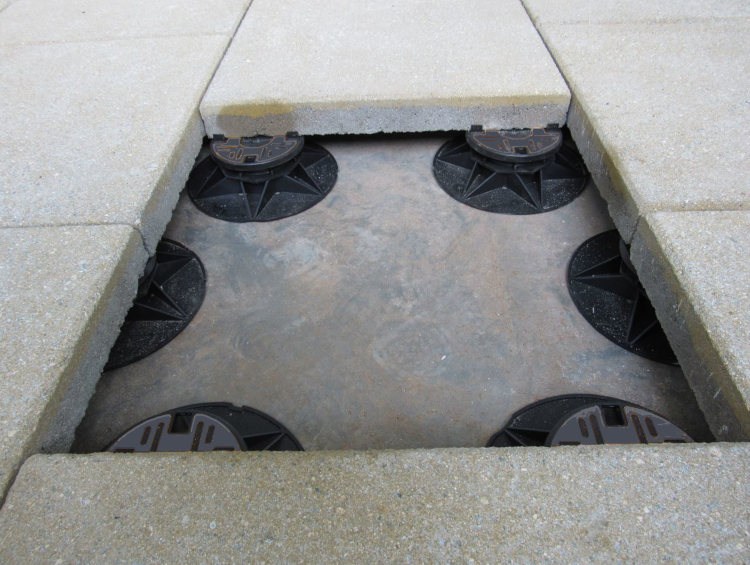
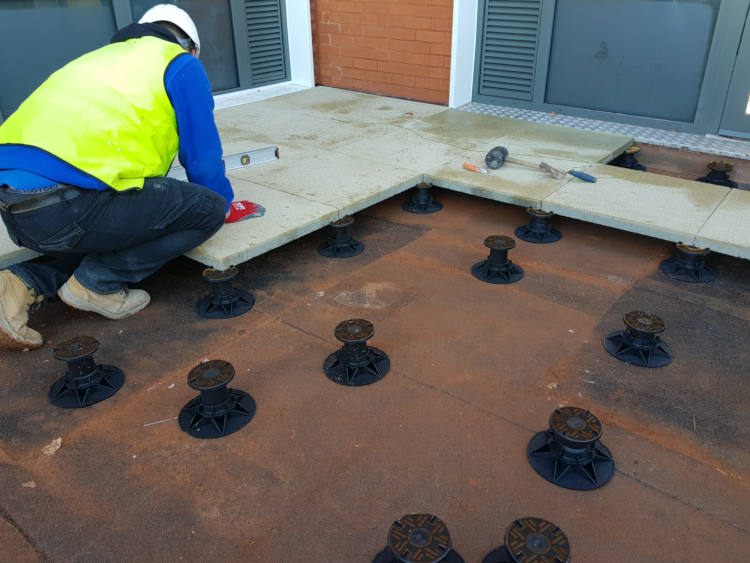
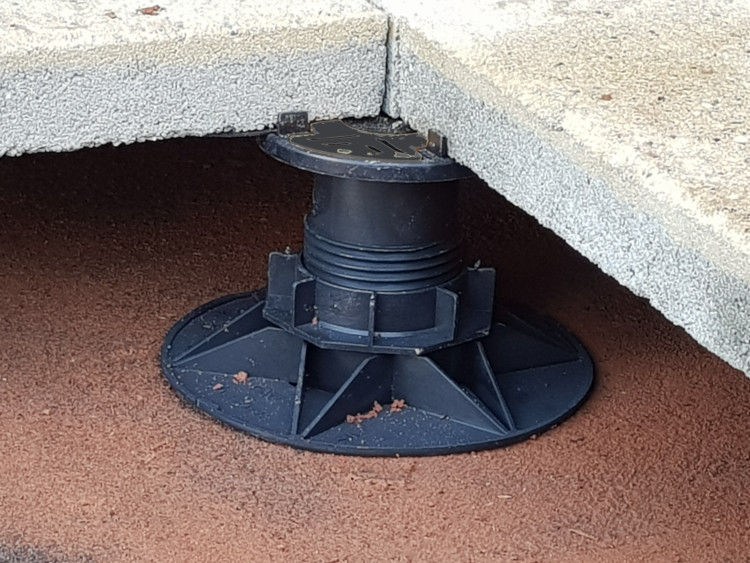
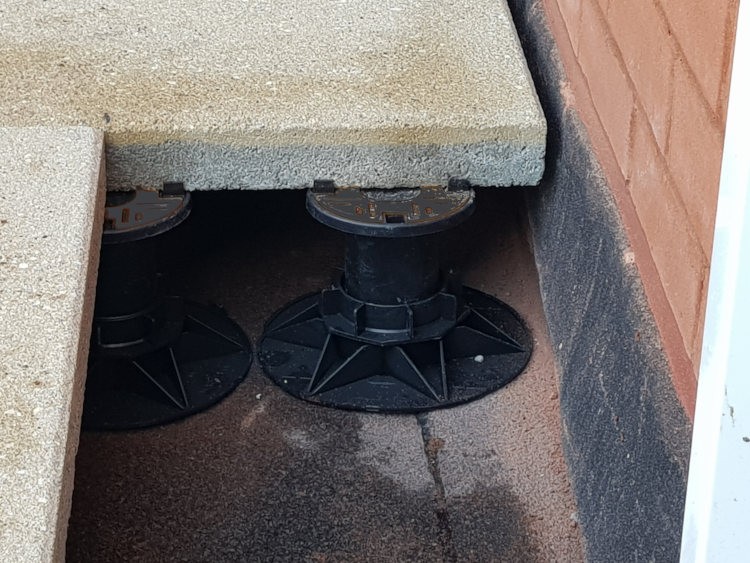
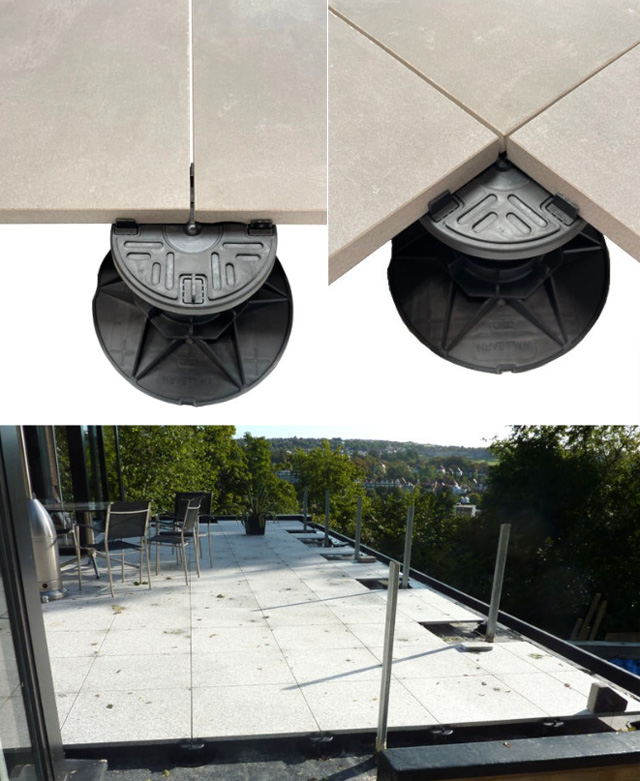
The Wallbarn Universal Pedestal range is designed for precision and performance in raised paving systems, ensuring a stable, level surface with efficient drainage.
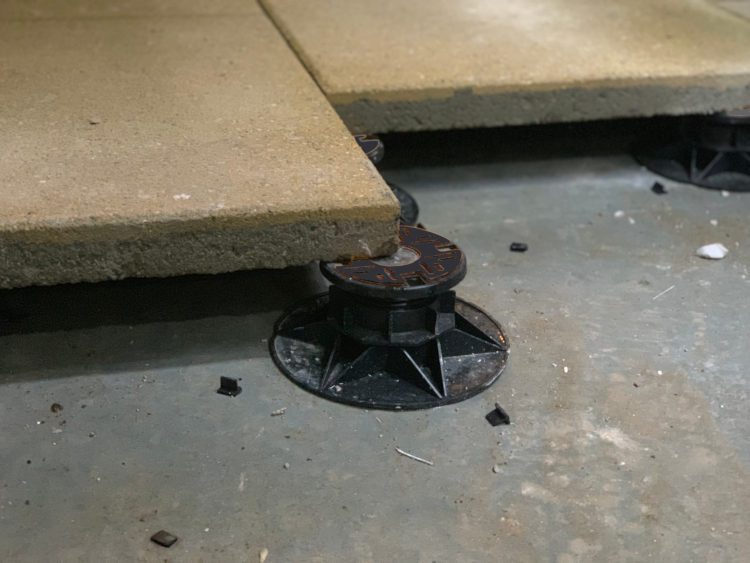
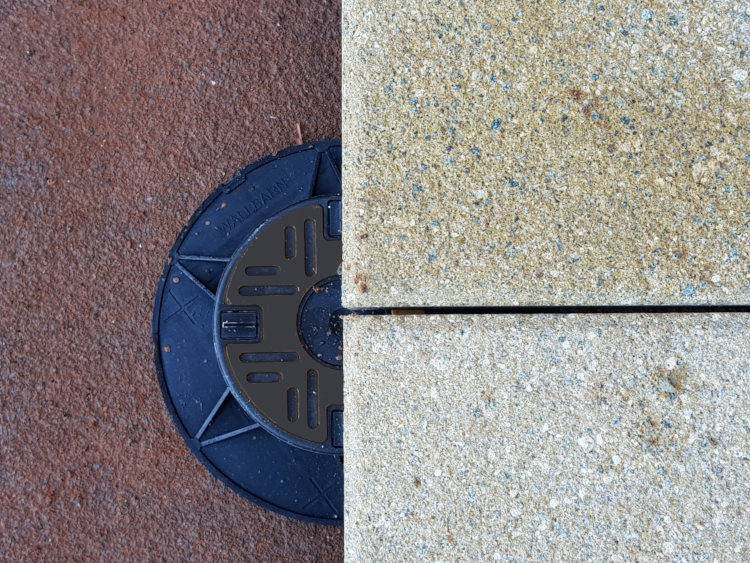
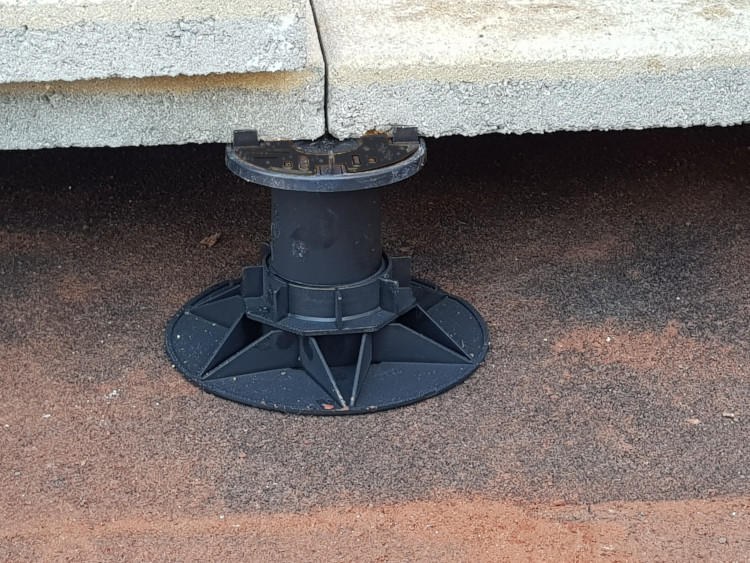
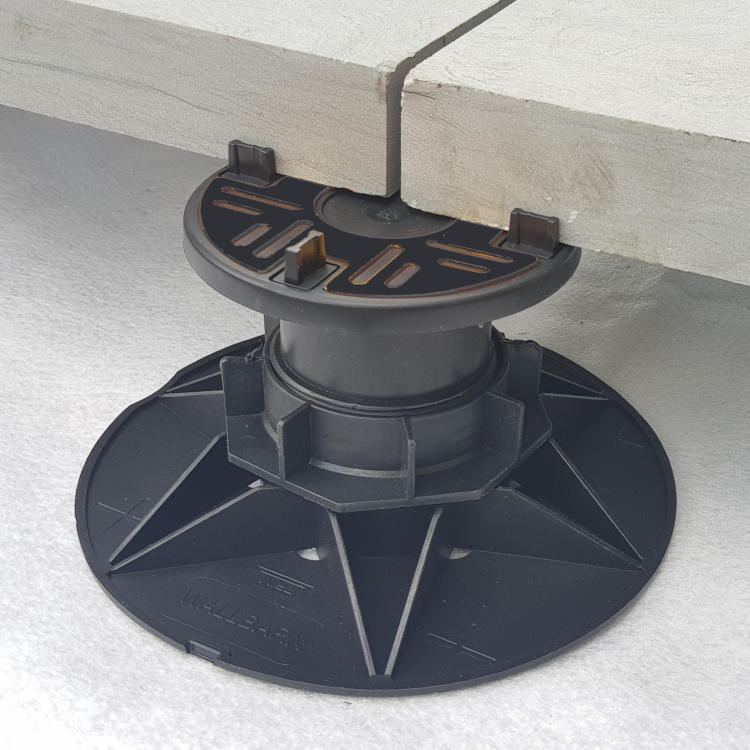
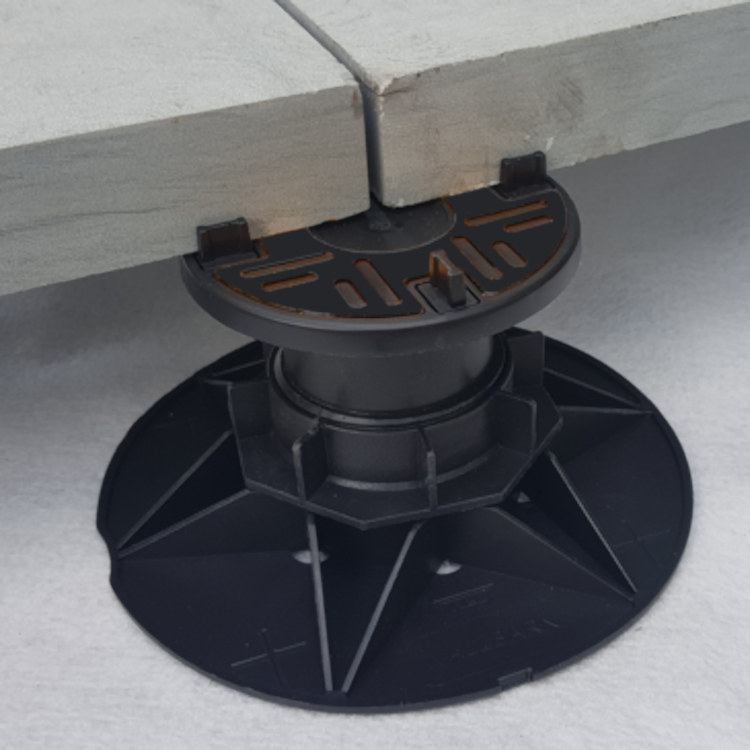
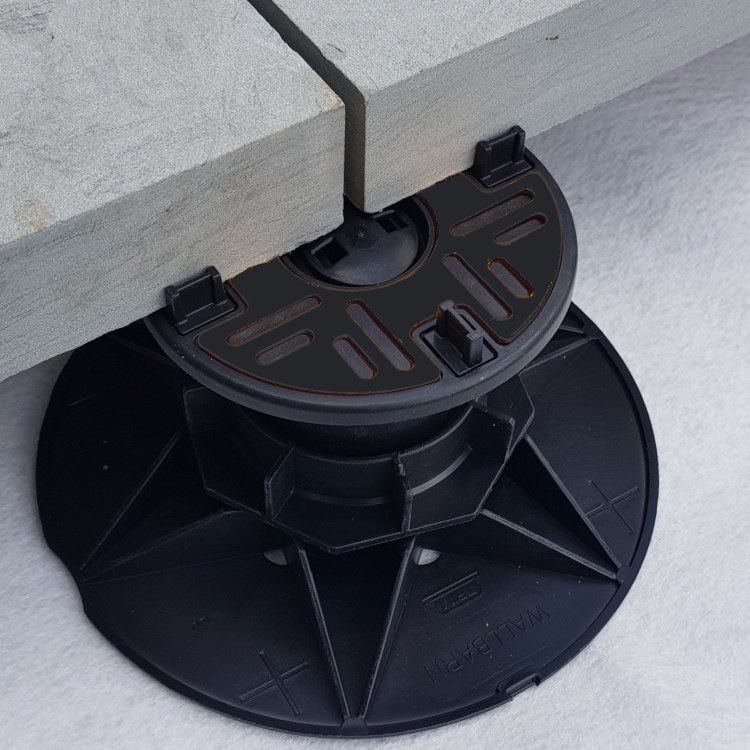
- The lugs create consistent spacing between paving slabs and tiles, allowing for effective drainage and reducing water pooling.
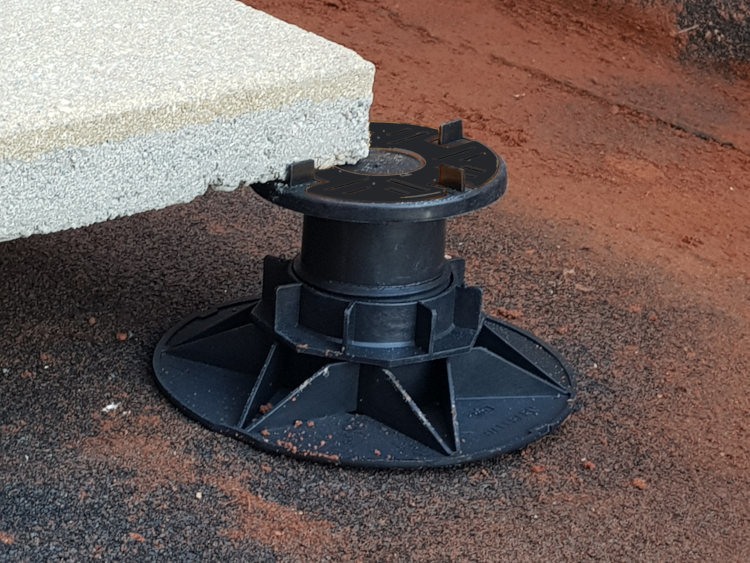
- This headpiece ensures perfectly straight paving lines for a professional finish
- As a suspended paving system, the weight of the slabs holds everything securely in place without the need for adhesives or fixings to the pedestal, or the pedestal to the sub floor.
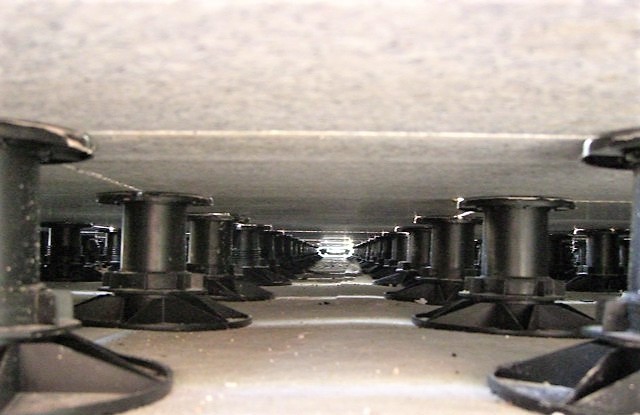
- Rainwater runs freely between and beneath the slabs, preventing standing water and enhancing safety by reducing slip hazards.
- For additional support beneath the centre of larger slabs, the lugs can be easily snapped off to accommodate different layouts.
- An acoustic shim is included with each pedestal, while a rubber anti-shock pad on the headpiece, featuring a series of ridges, enhances grip and reduces vibration and noise transmission through the pedestal to the deck below.
Ideal for use with adjustable pedestals for paving, the Universal Pedestal range provides flexibility, durability, and ease of installation, making it a preferred choice for both commercial and residential projects.
Close

Decking Projects
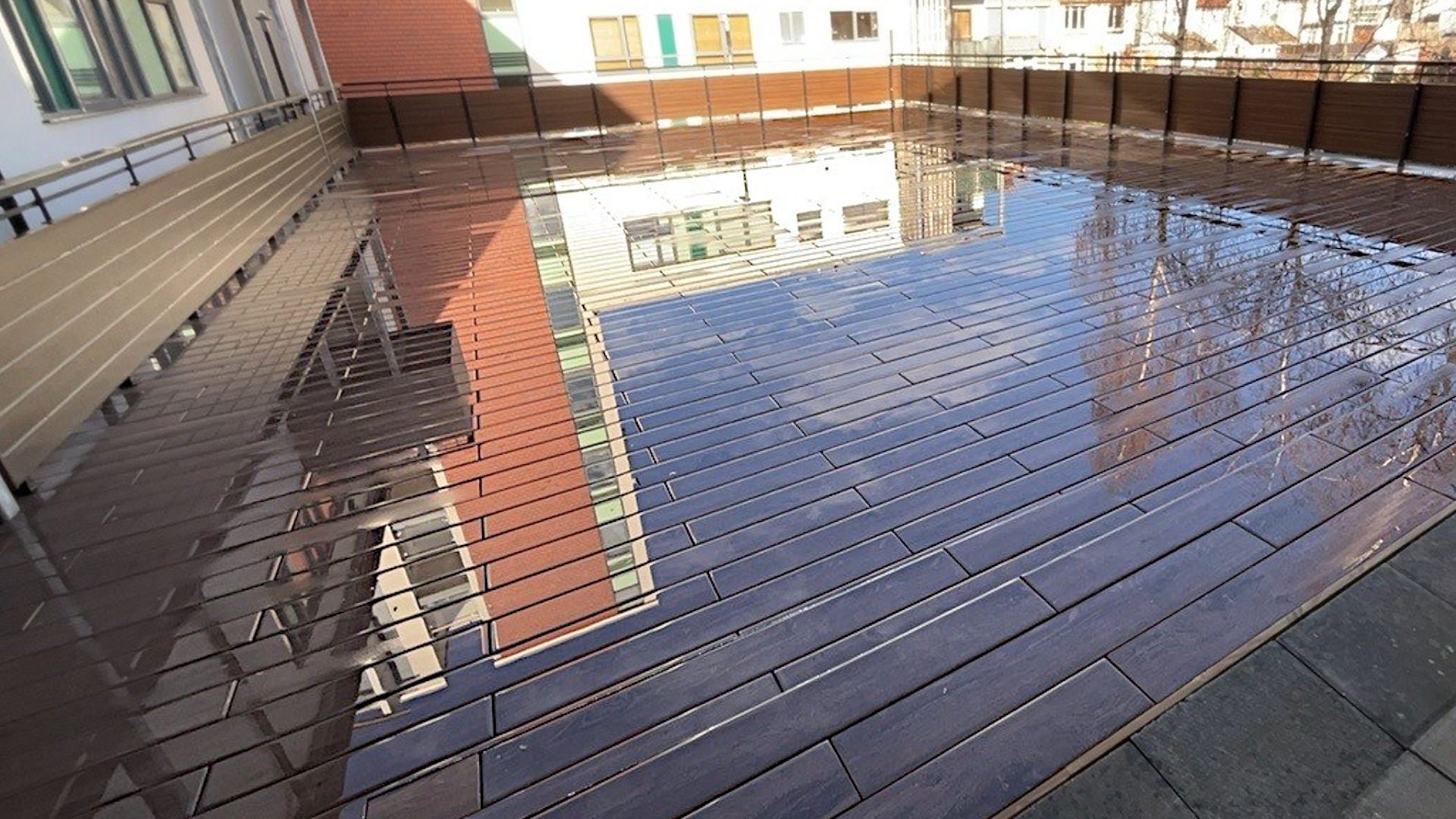
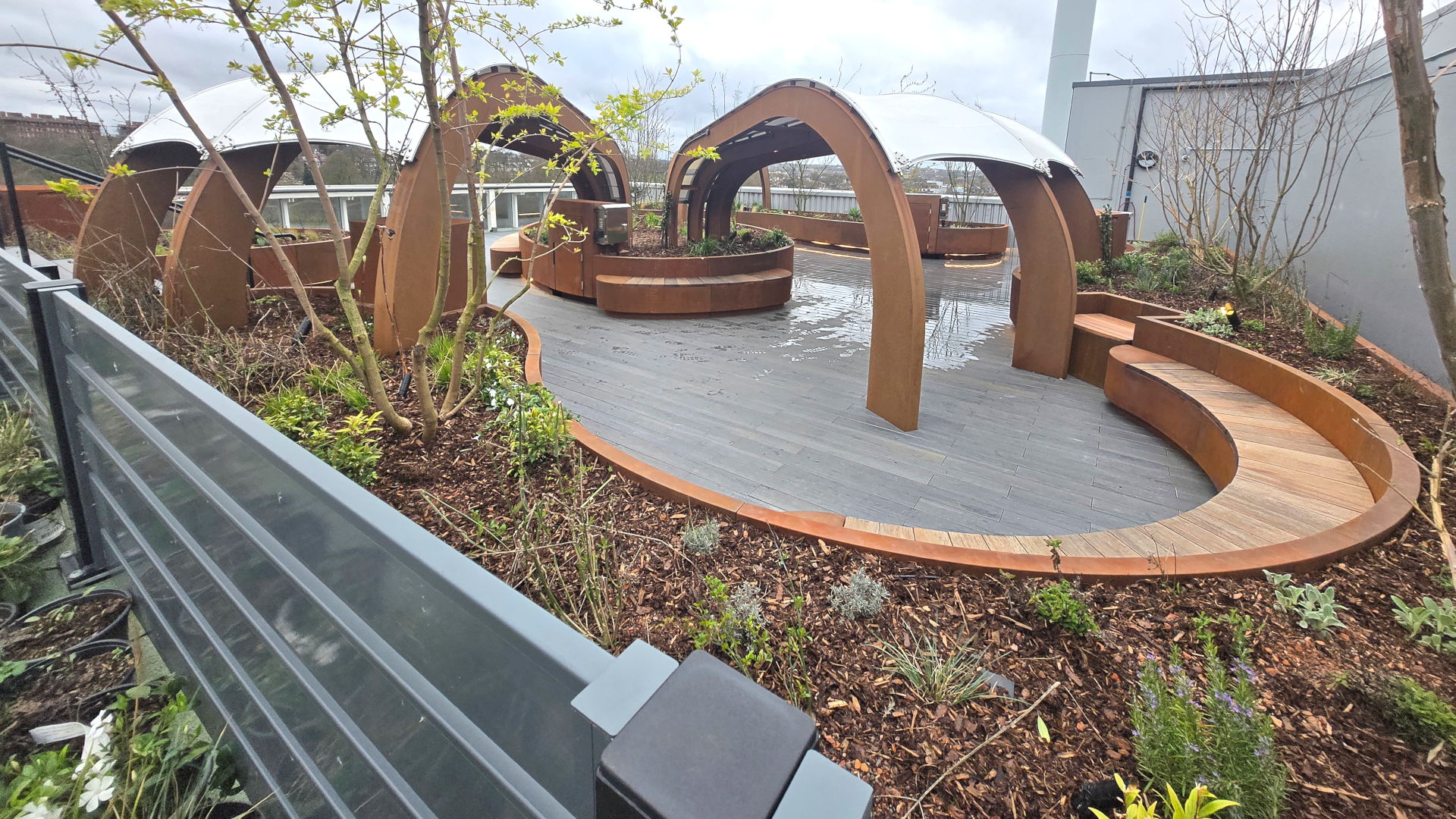
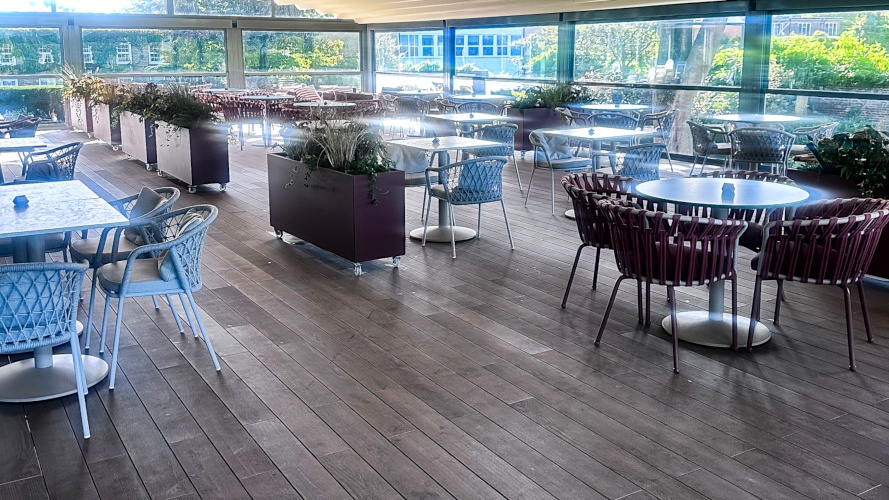
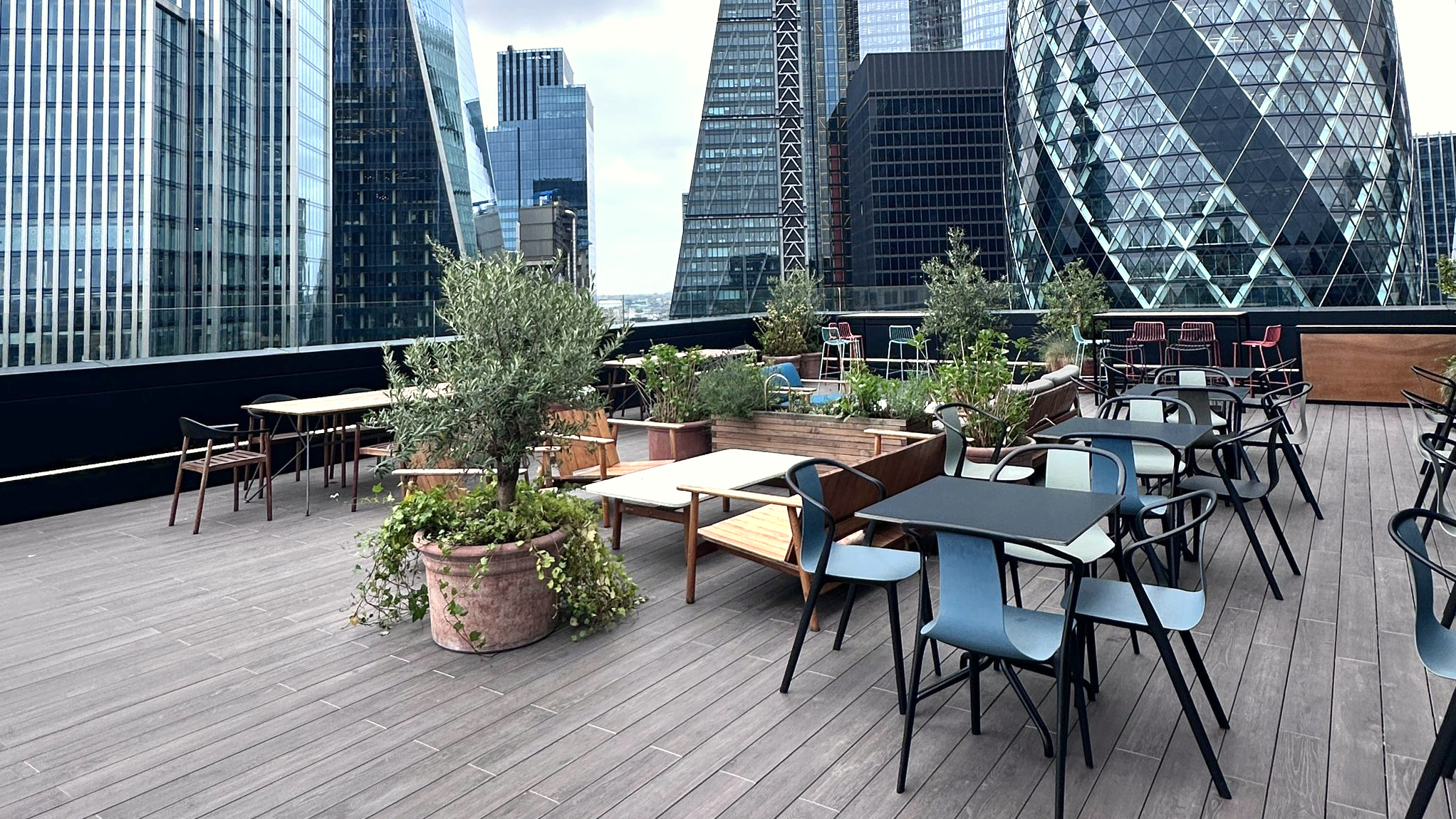
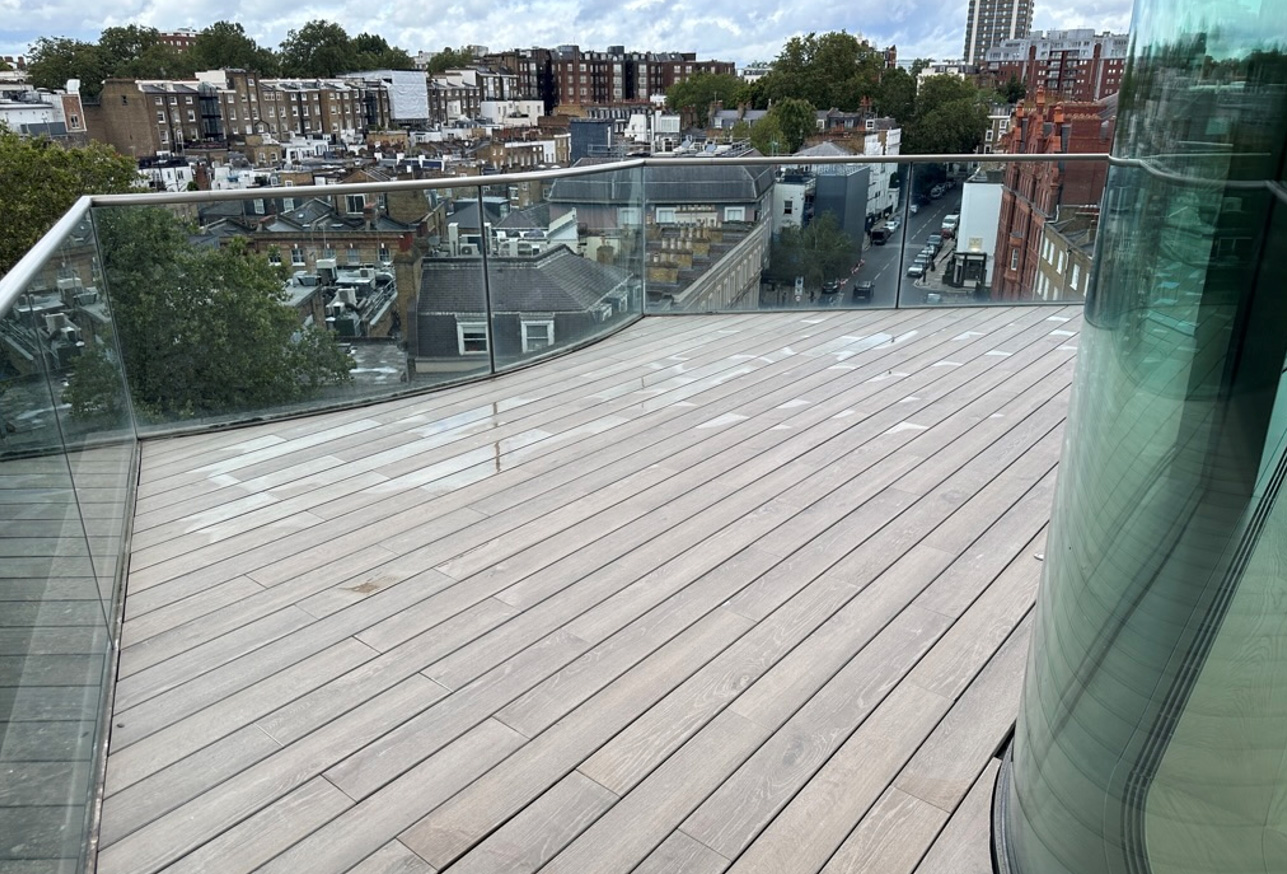
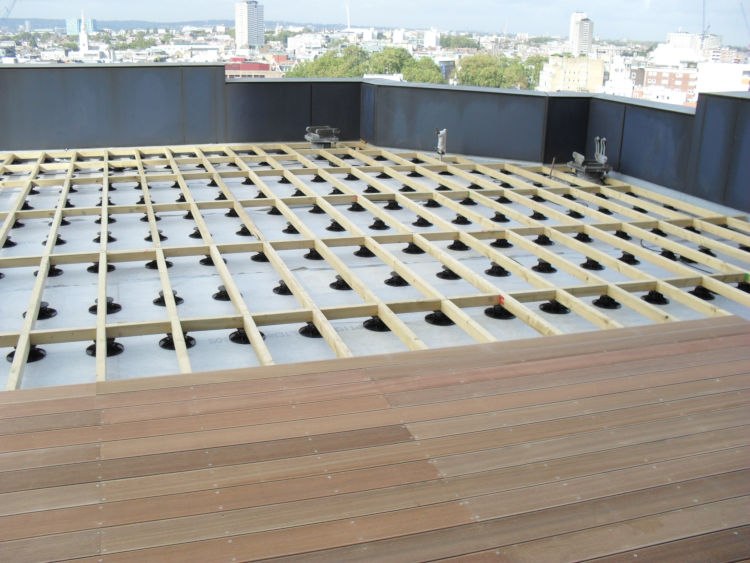
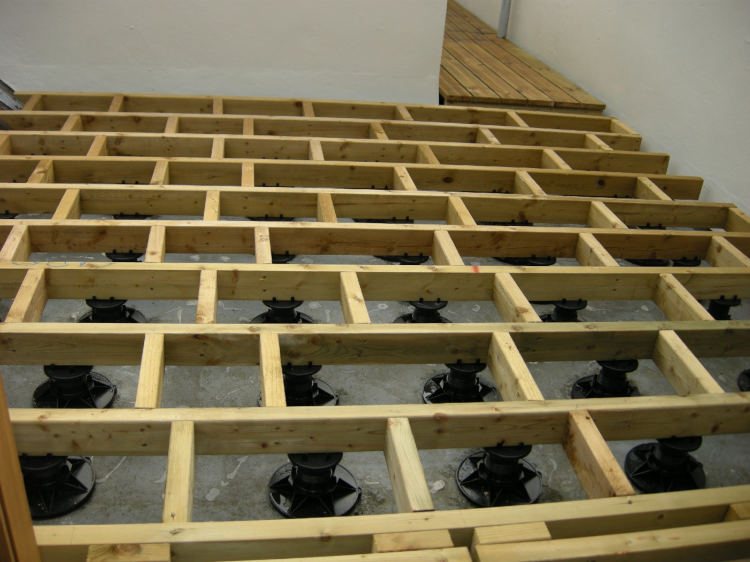
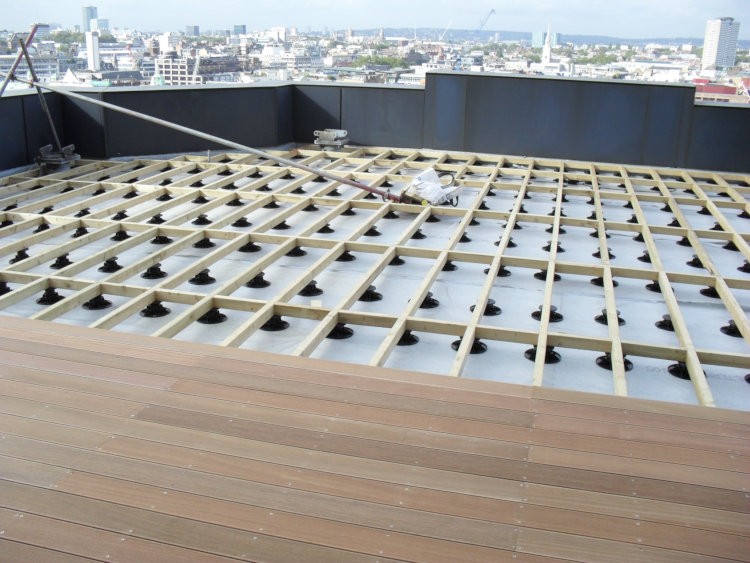
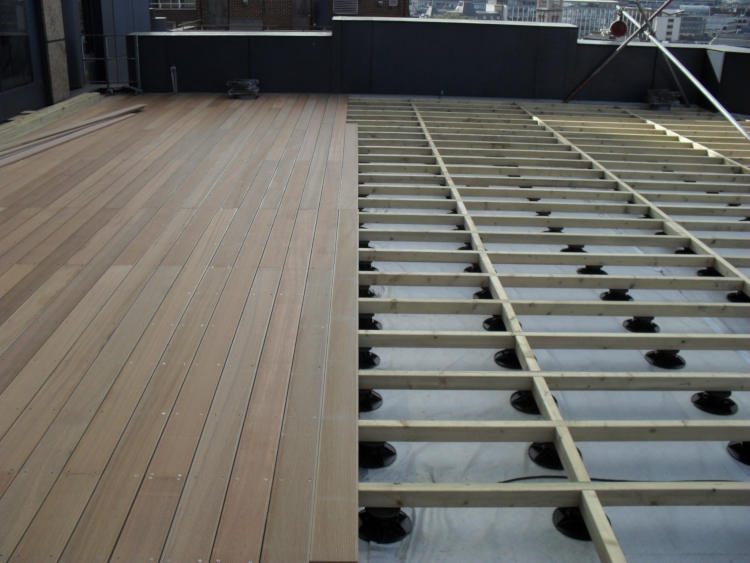
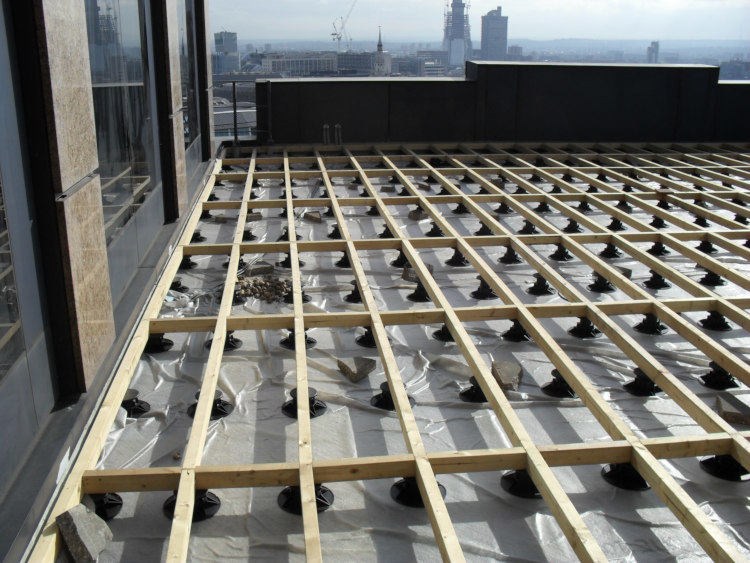
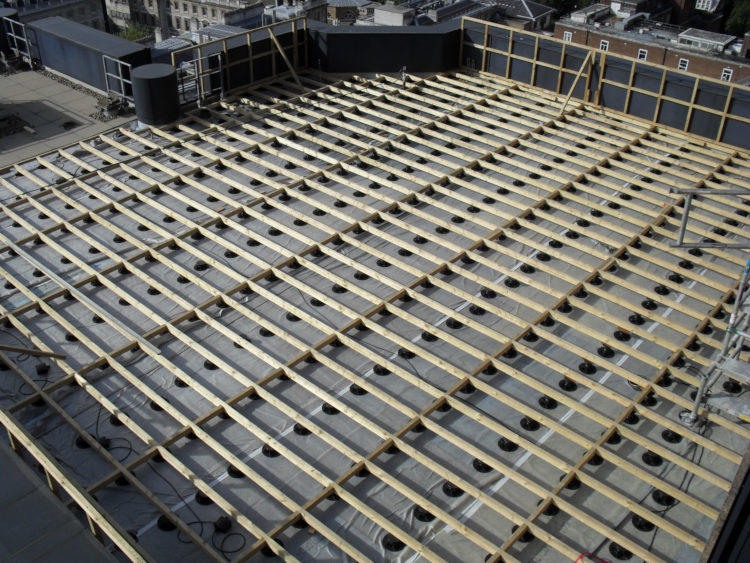
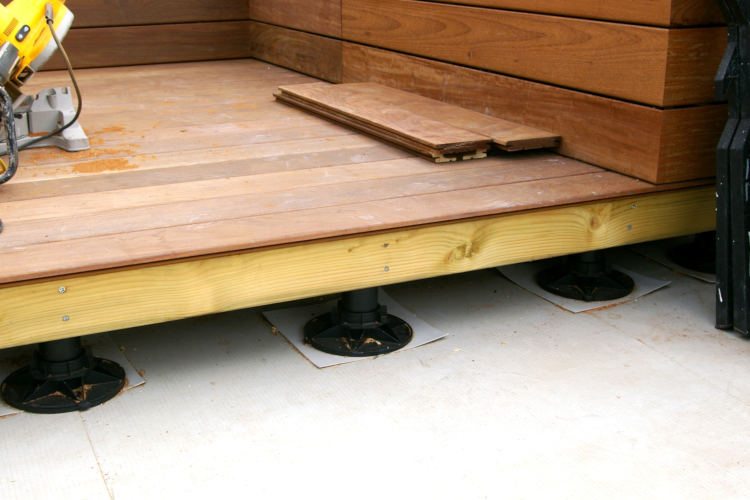
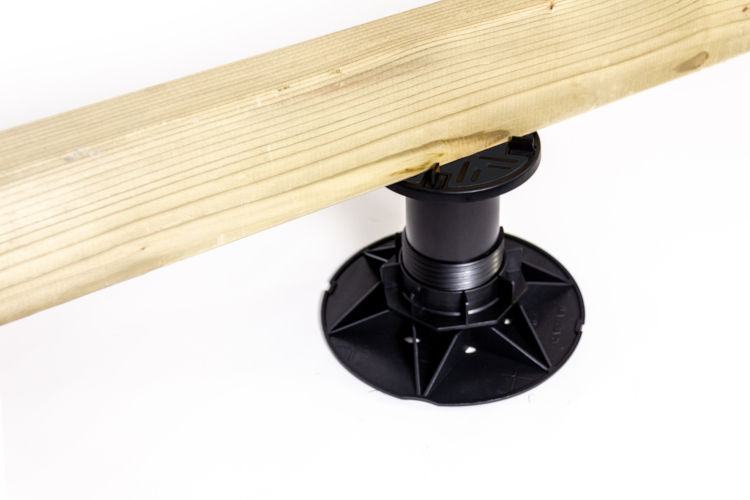
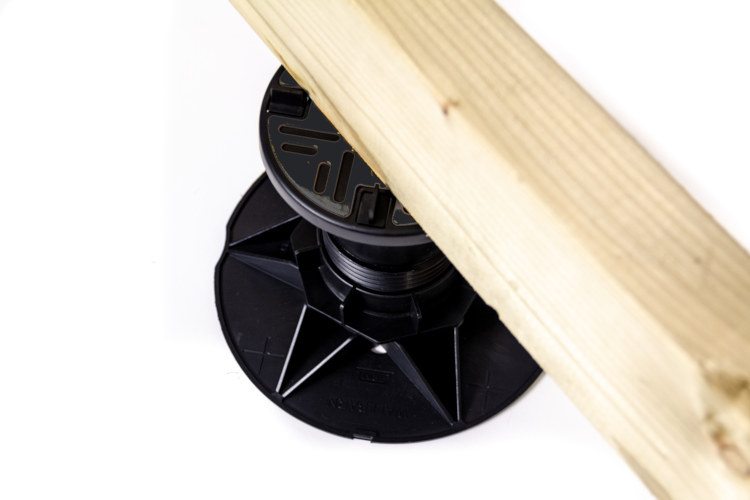
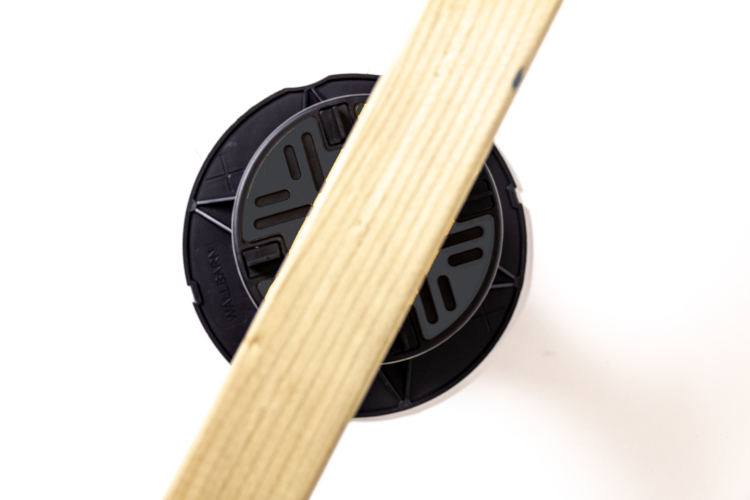
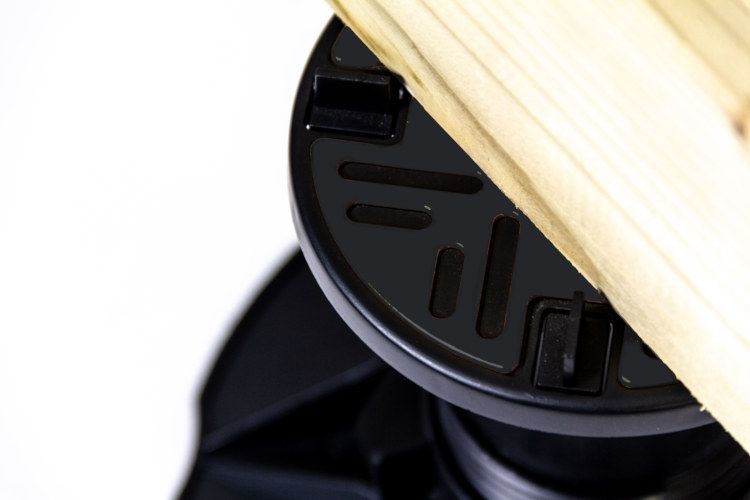
The Wallbarn Universal Pedestal range provides a secure, level, and ventilated substructure for raised decking systems, ensuring durability and ease of installation. The headpiece features lugs (fins) positioned towards the edges, creating a 55mm gap to securely house a standard 4″x2″ timber joist, forming a solid framework for decking boards.
- Height-adjustable pedestals eliminate the need for cutting furrings, significantly speeding up installation and reducing labour time.
- When working with large joists or at points where joists intersect, the lugs can be easily snapped off to accommodate different layouts.
- The pedestal system elevates the decking, preventing direct contact with the substrate, improving air circulation, and reducing moisture build-up that can lead to timber decay.
- A rubber anti-shock pad on the headpiece enhances grip and stability, while also minimising vibration and noise transmission through the deck.
Designed for use with adjustable pedestals for composite decking and timber systems, Wallbarn Universal Pedestals offer flexibility, reliability, and superior performance for both residential and commercial decking installations.

Maximise Space and Achieve a Flawless Finish with Wallbarn Universal Pedestals
Wallbarn Universal Pedestals provide a versatile, durable, and efficient solution for raised paving and decking systems, transforming underutilised areas into functional, high-quality spaces.
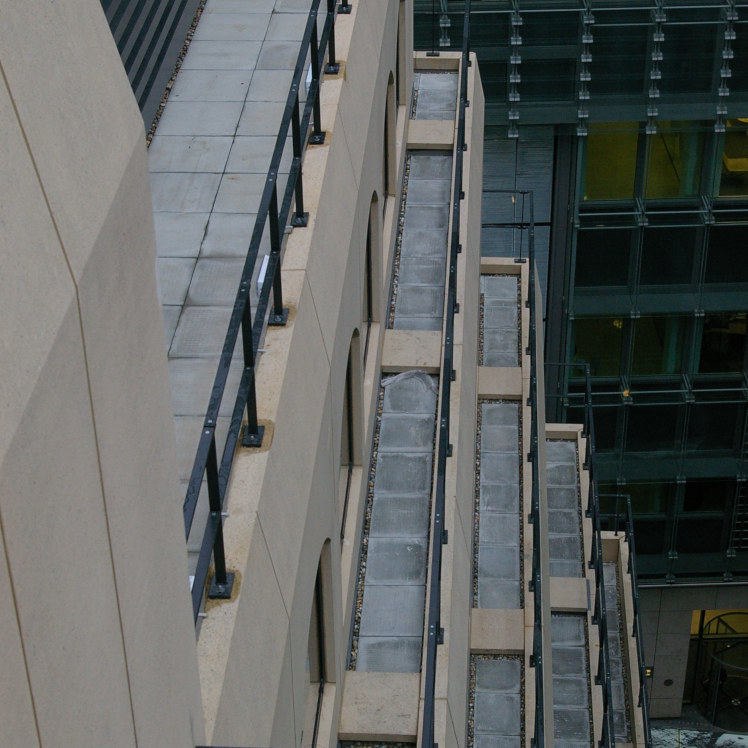
Convert unused rooftops, balconies, and decks into attractive, hard-wearing spaces, increasing the usable footprint of your building. Cover and protect unsightly waterproofing membranes, preserving the integrity of the underlying surface. Create flush ground-floor patios that align seamlessly with internal flooring levels without compromising the damp course.
Raising paving slabs or decking allows water to drain freely, preventing standing water, ponding, and slip hazards. The elevated system aerates and ventilates the surface beneath, helping to prevent moisture-related damage. Cables, water pipes, and drainage outlets can be concealed beneath paving or decking, improving aesthetics and optimising the building footprint, leading to increased yield for developers.
Achieve millimetre-precise height adjustments for a perfectly level surface. Compensate for slab imperfections and create a smooth, even finish. Cope with slopes, multi-directional falls, and significant height variations, ensuring seamless installation across complex surfaces.
Wallbarn Universal Pedestals provide the highest quality adjustable pedestals for paving or decking, delivering strength, stability, and efficiency for both residential and commercial projects.
NBS Source
BIM Library
CAD Drawings - Universal
-
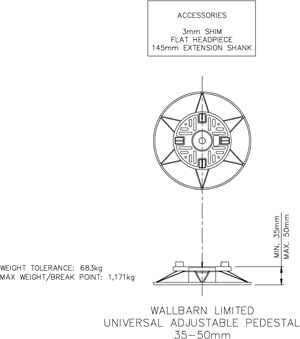
35mm-50mm universal adjustable pedestal
-
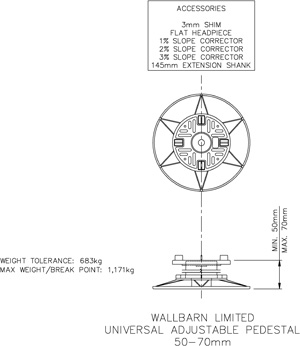
50mm-70mm universal adjustable pedestal
-
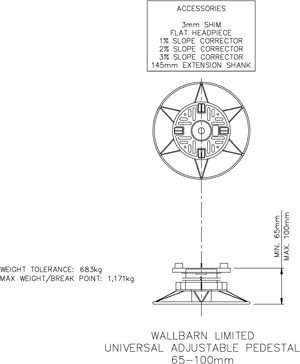
65mm-100mm universal adjustable pedestal
-
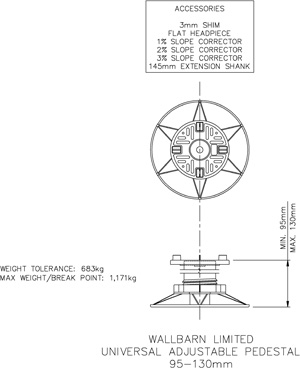
95mm-130mm universal adjustable pedestal
-
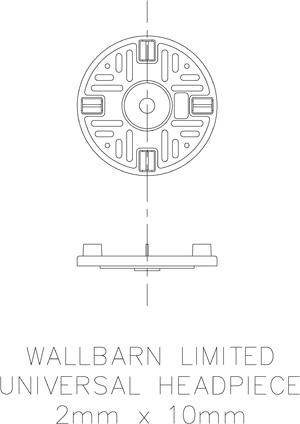
Universal headpiece 2mm-10mm
-
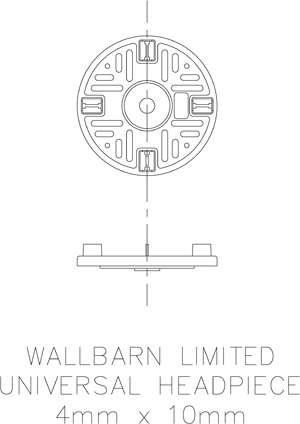
Universal headpiece 4mm-10mm
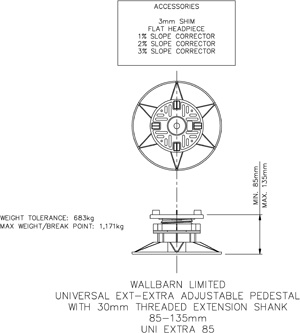
CAD Drawings - Universal Extra
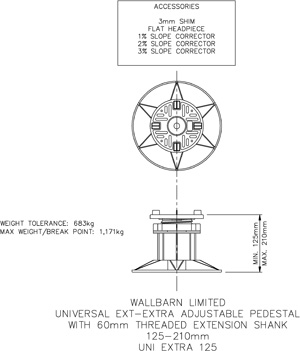
Brochures
Technical Datasheets
O&M Manuals
Installation Guide & Videos
We have a number of helpful videos providing guidance on unpacking, assembling and installing our pedestals:
- Video: How To assemble our standard Universal pedestal
- Video: How To assemble a Universal Extra pedestal
- Video: How to lay paving on Adjustable pedestals
- Video: How to cut the pedestal for paving up to a wallClose
Close
Close
Close
FAQ’s
Universal Pedestals Gallery
-
Paving
-
Decking
-
Graphics
-
Videos
no images were found